Tanker Carrying Iraqi Oil Crosses Hormuz
Pivotal Passage Through Hormuz Unveiled
A substantial volume of 2 million barrels of Iraqi crude oil has successfully traversed the Strait of Hormuz, a critical chokepoint for global energy flows. The vessel, identified as the Omega Trader and flying a Panamanian flag, represents a notable event as it is the first tanker to carry Iraqi crude exports since Iran significantly restricted passage through the strait.
Ship-tracking intelligence indicates that the Omega Trader, managed by Japan's Mitsui OSK, has since reached its destination in India. This region has been the primary recipient of oil shipments permitted to pass through the Strait of Hormuz in recent weeks, underscoring the selective nature of transit.
Recent data from monitoring firms suggests that maritime traffic within the strait remains under stringent limitations. One analysis points to only 16 vessel crossings with active Automatic Identification System (AIS) signals observed in the past week, painting a picture of heavily managed passage.
Iran's Selective Transit Model in Focus
Industry observers note that Iran appears to be exercising increased control over the Strait of Hormuz. This is being achieved through a carefully managed transit system, which permits passage for specific types of vessels and cargo. These select movements often occur within corridors designated within Iran's territorial waters.
The observed pattern includes energy shipments destined for China, agricultural goods, and certain liquefied petroleum gas (LPG) movements. This selective approach reinforces the idea of a permission-based access framework rather than an outright closure of the vital waterway.
Further evidence of this controlled passage emerges from recent reports detailing Indian LPG cargoes moving through the strait. Additionally, the reappearance of so-called 'zombie tankers' has been noted. These vessels often assume the identities of older ships that have been decommissioned.
In a striking development, two very large gas carriers, the Jag Vasant and the Pine Gas, were observed traveling from the United Arab Emirates coast towards Iranian islands on the northern side of the strait on Monday. This movement signals their intent to transit under the current conditions. Adding to the intrigue, a tanker that was reportedly slated for scrapping five years ago was sighted in the Persian Gulf over the weekend before proceeding into the Gulf of Oman, confirming its passage through Hormuz.
Market Ripple Effects
This successful transit of Iraqi crude, despite Iran's stringent controls, carries significant implications for regional stability and global oil markets. The selective passage model employed by Iran suggests a strategic effort to maintain leverage while allowing essential commodity flows, potentially influencing oil prices and shipping routes.
For traders and investors, the situation in the Strait of Hormuz remains a critical watchpoint. The continued, albeit selective, movement of oil indicates that a complete shutdown is not the current strategy, which may offer some relief to volatile energy prices. However, the underlying tension and Iran's demonstrated ability to control passage present ongoing risks.
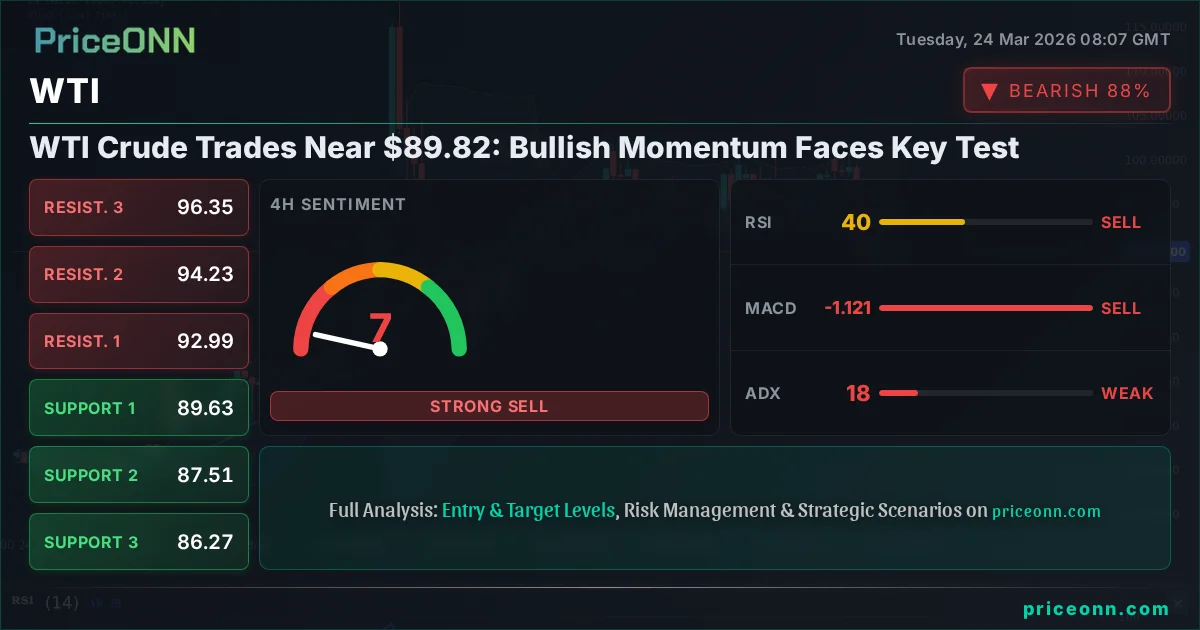
Key assets to monitor include Brent Crude and WTI Crude futures, as any escalation or further tightening of passage could trigger price spikes. The US Dollar Index (DXY) may also react, given the dollar's inverse relationship with oil prices and its role as a safe-haven asset during geopolitical uncertainty. Additionally, the performance of energy sector stocks could be directly impacted by shifts in supply perceptions stemming from Hormuz dynamics. Investors should remain vigilant for any changes in transit policies or geopolitical rhetoric emanating from the region, as these could rapidly alter market sentiment and price action.
Track markets in real-time
Empower your investment decisions with AI-powered analysis, technical indicators and real-time price data.
Join Our Telegram Channel
Get breaking market news, AI analysis and trading signals delivered instantly to your Telegram.
Join Channel