
Why Did Oil Prices Plunge 12% as Iran Diplomacy Surfaced?

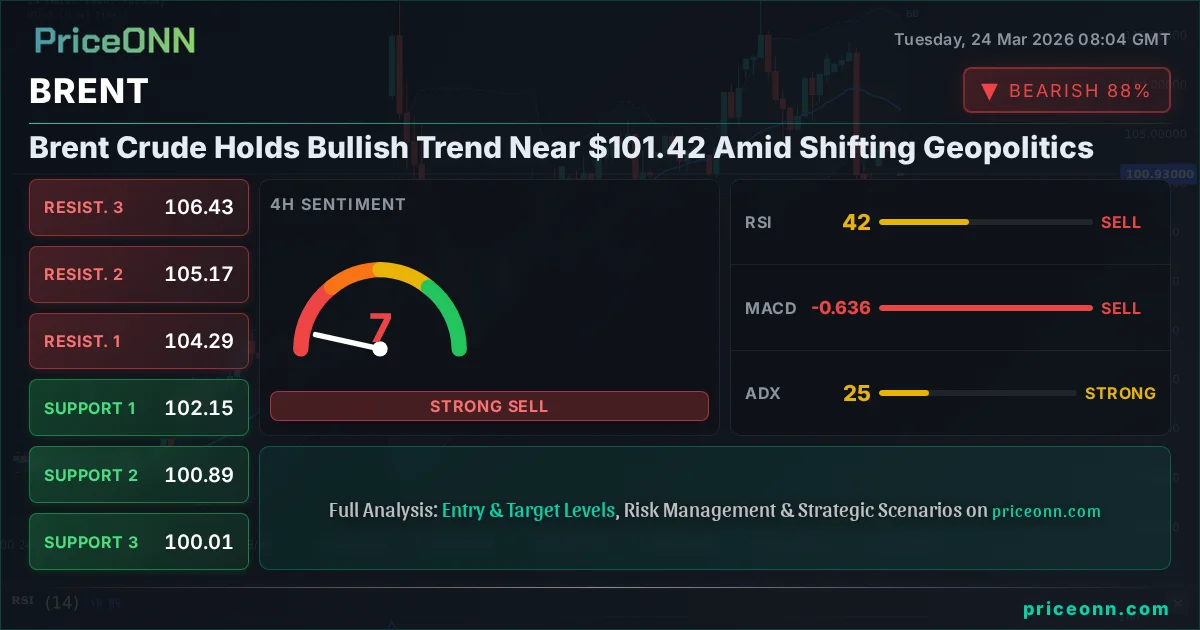
Oil prices experienced a sharp and immediate sell-off on Monday, with Brent crude futures for May delivery plummeting 12.06% to trade at $98.06 per barrel. West Texas Intermediate (WTI) crude followed suit, shedding 10.58% to change hands at $87.84 per barrel. This significant price depreciation was triggered by a sudden shift in geopolitical sentiment surrounding Iran, as the White House announced a move towards diplomacy.
Market Context: De-escalation Replaces Conflict Fears
The market had been pricing in a significant risk premium for crude oil supply disruptions in the Middle East amid escalating tensions with Iran. However, this narrative abruptly changed when the U.S. President indicated that the White House was in contact with a senior Iranian official and that Tehran was seeking a deal to end the ongoing conflict. This development led to an extension of the deadline for Iran to reopen the Strait of Hormuz, pushing it back by five days. The previous aggressive stance, which had threatened strikes on Iranian energy infrastructure, was replaced by a more conciliatory approach, significantly easing immediate supply disruption fears.
Analysis & Drivers: Geopolitical Risk Premium Evaporates
The primary driver behind the dramatic oil price decline was the rapid unwinding of the geopolitical risk premium that had been built into market valuations. For weeks, the threat of conflict in the Persian Gulf, particularly concerning the Strait of Hormuz-a critical chokepoint for global oil transit-had stoked fears of severe supply disruptions. Reports of direct engagement between U.S. special envoys and their Iranian counterparts on Sunday night injected a wave of optimism, signaling a potential de-escalation. Market data shows that when the prospect of conflict recedes, oil prices tend to fall sharply as traders reduce their exposure to supply disruption scenarios. The swiftness of the price reaction underscores how sensitive crude markets are to perceived threats in this volatile region.
Trader Implications: Reassessing Supply Outlook
Traders should closely monitor the ongoing diplomatic communications between the U.S. and Iran. The extended deadline for the Strait of Hormuz offers a window for further negotiations, but the situation remains fluid. Key price levels to watch for Brent crude include the $95 support level, which if broken, could signal further downside. For WTI, the $85 mark will be a critical psychological and technical barrier. The market sentiment has shifted from one of impending supply shock to one of cautious optimism for de-escalation. However, any renewed escalation or breakdown in talks could see prices rapidly rebound as the risk premium returns. Investors should consider hedging strategies if they anticipate a return to higher volatility.
The outlook for crude oil prices has become considerably more uncertain following this diplomatic development. While the immediate pressure is downward, the underlying geopolitical tensions have not disappeared. The coming days will be crucial in determining whether this de-escalation is sustainable or merely a temporary pause. Traders should remain vigilant, focusing on official statements and any signs of progress or regression in the diplomatic efforts.
Frequently Asked Questions
What caused the sharp drop in oil prices on Monday?
Oil prices plunged due to unexpected diplomatic overtures from the White House towards Iran. This eased fears of immediate supply disruptions from the Strait of Hormuz, causing the geopolitical risk premium to evaporate rapidly. Brent crude fell 12.06% and WTI dropped 10.58%.
What are the key price levels traders should watch for oil?
For Brent crude, traders should watch the $95 support level. For West Texas Intermediate (WTI), the $85 mark is a critical psychological and technical barrier. A breach of these levels could indicate further price movements.
What is the short-term outlook for crude oil prices?
The short-term outlook is now more uncertain, with a downward bias due to de-escalation. However, the situation remains volatile. Any breakdown in diplomatic talks could lead to a rapid price rebound. Key developments will hinge on the sustainability of U.S.-Iran engagement over the next five days.
Track markets in real-time
Empower your investment decisions with AI-powered analysis, technical indicators and real-time price data.
Join Our Telegram Channel
Get breaking market news, AI analysis and trading signals delivered instantly to your Telegram.
Join Channel

PriceONN