Oil Prices Spike as Iran Denies U.S. Talks and Traders Refocus on Supply Risk
Market Volatility Surges on Geopolitical Denials
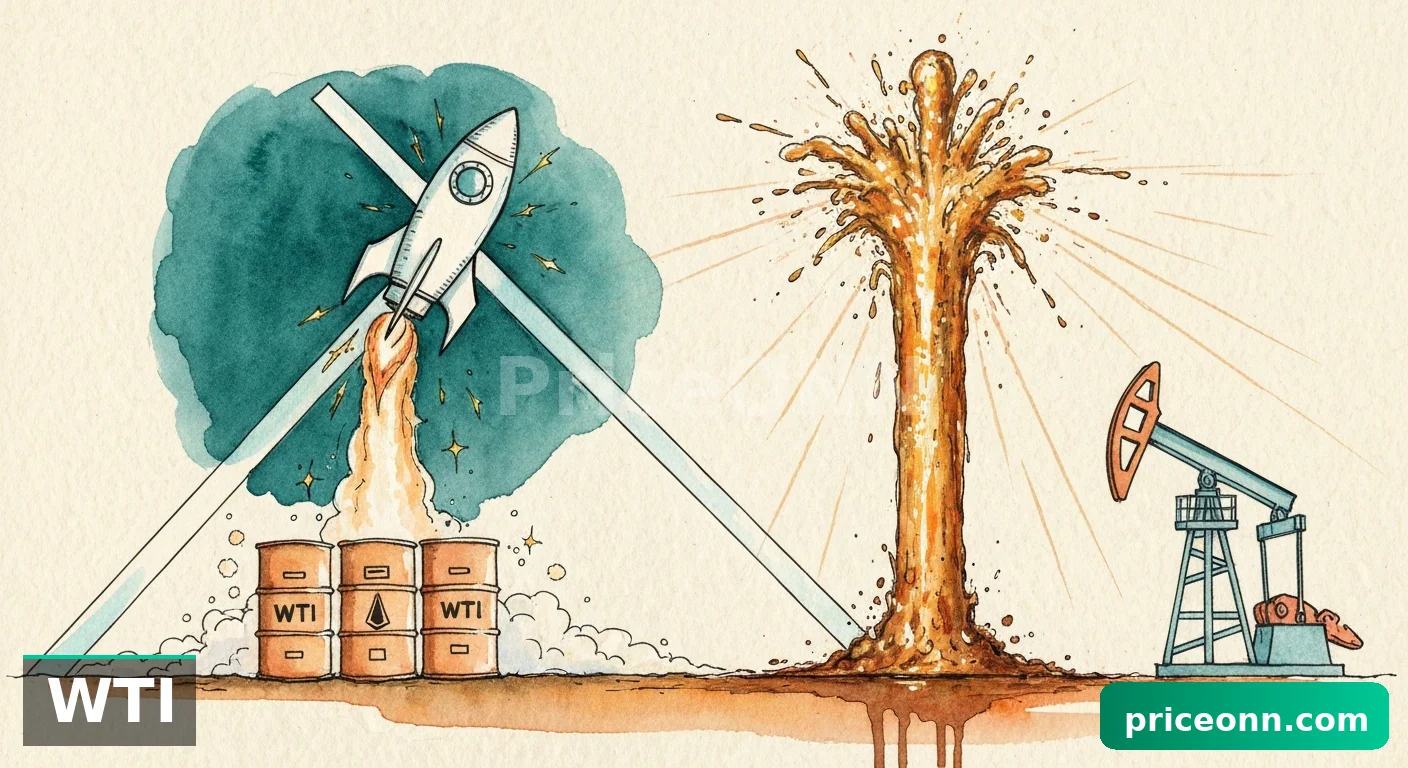
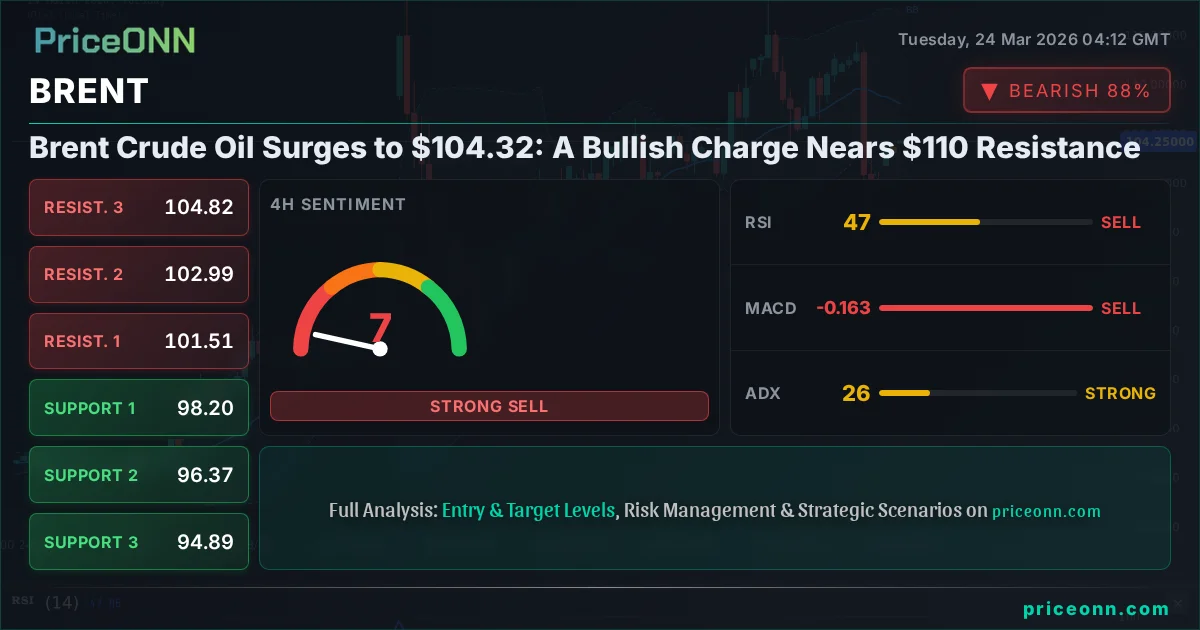
Crude oil benchmarks experienced a significant upward swing in early Asian market hours on Tuesday. This recovery attempts to retrace some of the sharp declines witnessed just a day prior. The catalyst for this immediate rebound appears to be Iran's forceful repudiation of any direct dialogue with the United States concerning its energy sector. As of the latest reporting, West Texas Intermediate (WTI) crude had surged 3.87% to reach $91.54 per barrel. Simultaneously, the international benchmark, Brent crude, saw a rise of 3.43%, trading at $103.40.
This price action marks a stark reversal from Monday's dramatic selloff. During that session, Brent crude briefly dipped below the psychologically important $100 per barrel mark for the first time since March 11. The initial downturn on Monday was reportedly triggered by statements from President Trump, who had indicated Washington had engaged in "very good and productive" discussions with Iran. He further suggested that planned strikes on Iranian energy infrastructure would be postponed for five days following weekend deliberations.
Initial market interpretations of Trump's comments leaned towards a de-escalation of tensions, providing a temporary reprieve for oil prices. Reports suggested that planned retaliatory actions against Iranian power plants and energy facilities were indeed put on hold. However, the narrative quickly shifted as Iran issued immediate denials of any direct negotiations with the U.S. While some third-party channels, reportedly involving regional mediators such as Pakistan, Egypt, and Turkey, were acknowledged, Tehran was firm in its stance against direct talks.
Further complicating the situation, an Israeli official reportedly informed Axios that U.S. negotiators had indeed been in contact with Mohammad Bagher Ghalibaf, the speaker of the Iranian parliament. Ghalibaf himself took to social media platform X to emphatically deny any such meetings, dismissing the claims as "fake news" designed to influence oil market sentiment. This conflicting information flow has injected significant uncertainty back into the energy complex.
Meanwhile, broader Asian equity markets displayed a more optimistic tone, mirroring gains on Wall Street. The MSCI Asia-Pacific index saw an uptick of approximately 1.5% in early trading, reflecting a general investor sentiment buoyed by the initial, albeit fleeting, perception of diplomatic progress. The S&P 500 index had also closed Monday's session 1.1% higher, underscoring this broader market reaction to perceived de-escalation.
The Bigger Picture
While equity markets may be reacting to the *possibility* of diplomatic breakthroughs, the oil market's response is recalibrating around a different set of realities. The fundamental drivers of crude oil prices, namely supply and demand dynamics, are proving far more influential than shifting geopolitical narratives. Despite the brief dip below $100, the underlying supply constraints in the Middle East remain a critical factor.
The ongoing conflict, now extending into its fourth week, has demonstrably disrupted established oil flows throughout the region. Production levels have been impacted, and crucially, significant damage has been inflicted upon vital energy infrastructure. According to data from the International Energy Agency, at least 40 major energy sites across the region have sustained severe damage. This level of infrastructural impairment suggests that even if immediate hostilities were to cease, the upward pressure on oil prices is likely to persist. The physical damage necessitates extensive repairs, potentially keeping a lid on supply for an extended period and ensuring that prices remain structurally elevated.
This situation highlights a key tension: diplomatic soundbites can cause short-term market jitters, but the hard realities of damaged infrastructure and constrained supply exert a more enduring influence on commodity prices. The market's immediate jump back to supply concerns after Iran's denial underscores the fragility of the current oil market balance.
Market Ripple Effects
The persistent volatility in crude oil prices, driven by geopolitical tensions and supply disruptions, has a cascading effect across various financial markets. Traders are closely watching how these energy price swings will influence inflation expectations and central bank policy. The U.S. Dollar Index (DXY) may see fluctuations as energy prices impact global trade balances and risk sentiment. A sustained rise in oil could strengthen the dollar through its role as a global reserve currency and safe haven, although this can be offset by inflation concerns that might prompt a less hawkish Fed stance.
Furthermore, the energy sector itself, including major oil producers and related service companies, will experience heightened volatility. Companies with significant exposure to Middle Eastern operations or those heavily reliant on stable energy prices for their own input costs will be under particular scrutiny. The broader commodity complex, from industrial metals to agricultural products, can also be indirectly affected, as energy costs are a significant component of global production and transportation expenses. Investors are likely to reassess their exposure to energy-intensive industries and seek assets that offer a hedge against rising inflation or geopolitical risk.
Track markets in real-time
Empower your investment decisions with AI-powered analysis, technical indicators and real-time price data.
Join Our Telegram Channel
Get breaking market news, AI analysis and trading signals delivered instantly to your Telegram.
Join Channel