
Why Did Oil Prices Spike 4% as Iran Denies U.S. Talks Amidst Waiver Confusion?
Oil prices surged in early Asian trading on Tuesday, reversing much of the previous session’s sharp decline as geopolitical tensions flared. West Texas Intermediate (WTI) crude futures climbed 3.87% to $91.54 per barrel, while the international benchmark, Brent crude, gained 3.43% to $103.40. The rally was ignited by Iran’s strong denial of any direct negotiations with the United States, a development that refocused market attention squarely back onto supply risks.
Market Context and Reversal
The abrupt turnaround follows a dramatic selloff on Monday, which saw Brent crude briefly dip below the $100 per barrel mark for the first time since March 11. This initial downturn was reportedly influenced by statements suggesting U.S.-Iran discussions and a potential postponement of retaliatory strikes on Iranian energy infrastructure. However, the market sentiment shifted violently after Iran issued a firm denial of engaging in direct talks with Washington. While acknowledgment of third-party mediation channels, reportedly involving countries like Pakistan, Egypt, and Turkey, was made, Tehran emphasized the absence of direct dialogue.
Analysis and Drivers: Waivers and Geopolitics
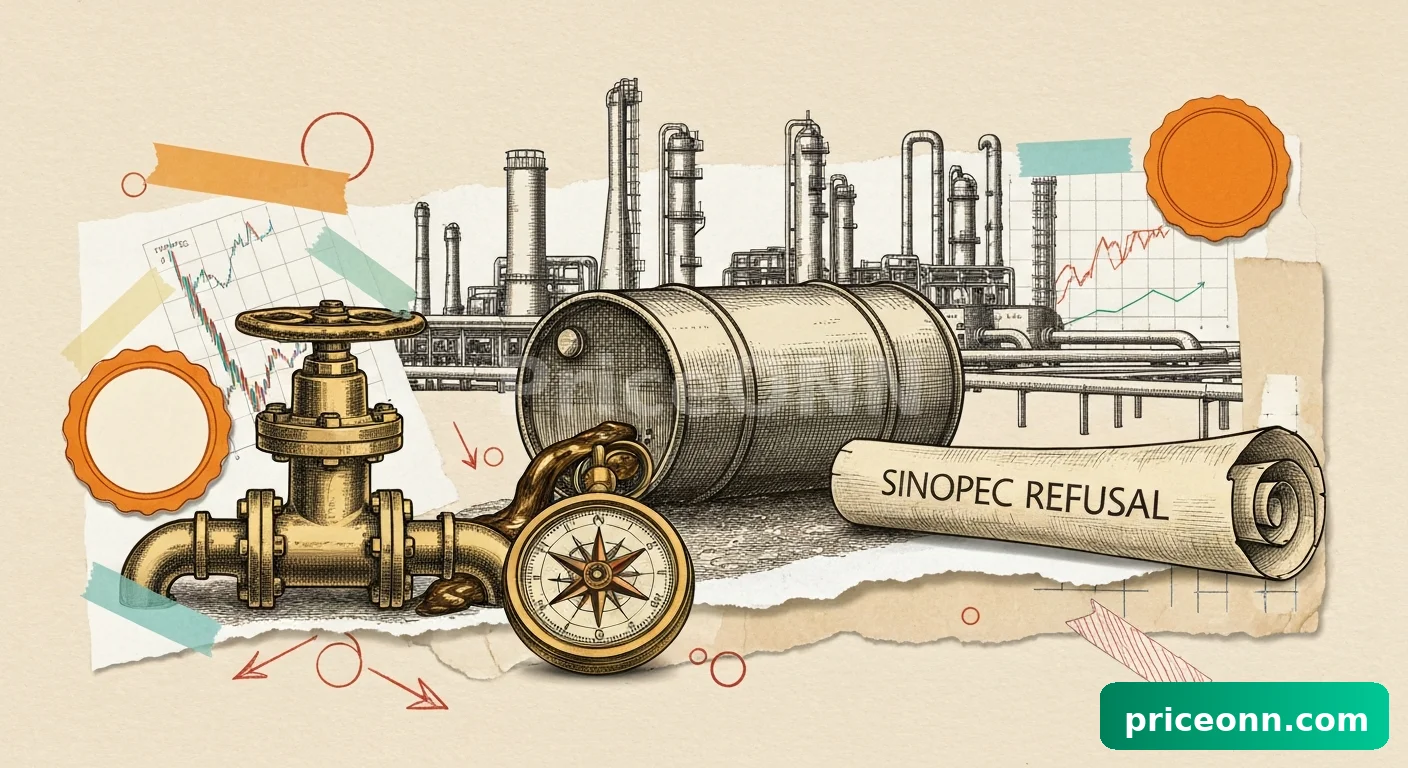
Adding another layer of complexity to the energy landscape is the recent U.S. waiver allowing imports of Iranian crude loaded onto vessels as of March 20. Despite this opening, China’s state oil giant Sinopec, Asia’s largest refiner, has indicated it will not be purchasing Iranian crude. A senior executive from Sinopec stated that the company is evaluating potential risks associated with Iranian oil trade and is “basically won’t buy” it. This decision by Sinopec, a historically major buyer of Iranian oil, suggests that even with the U.S. waiver, significant commercial and geopolitical hurdles remain. The U.S. Treasury Department’s general license, effective until April 19 for cargoes loaded before March 20, was seen by some as a move to manage global oil price volatility. However, Sinopec’s clear rejection highlights that the discount offered by Iranian crude may not be enough to offset the perceived risks or complexities of engaging with sanctioned entities, even under a waiver.
Trader Implications: Watching Supply and Sanctions
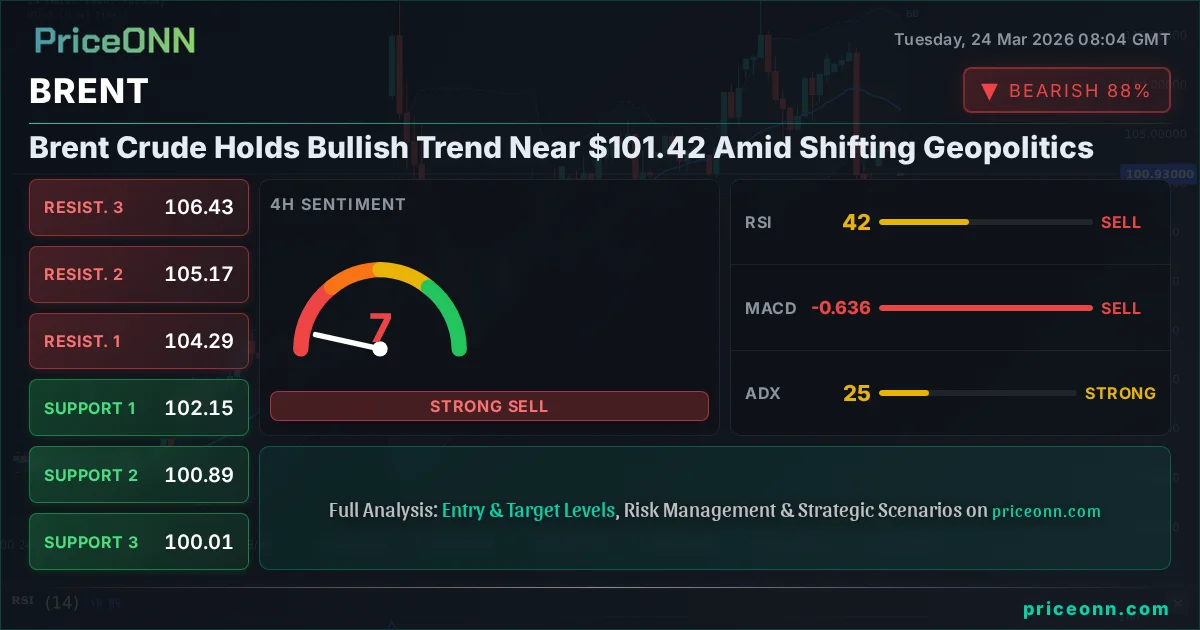
Traders should closely monitor the ongoing geopolitical rhetoric between Iran and the U.S., as any escalation or de-escalation will directly impact oil prices. The market’s reaction to Iran’s denial of direct talks underscores the sensitivity to supply disruptions. Key levels to watch for WTI include immediate resistance around $92.00 and support at $89.00. For Brent, resistance lies near $104.50 and support around $101.00. The stance of major refiners like Sinopec regarding Iranian crude purchases will also be crucial. A continued reluctance from significant buyers, despite waivers, could signal persistent supply constraints or an unwillingness to navigate the intricate web of sanctions, even indirectly. Investors should remain attuned to official statements from both the U.S. and Iranian governments, as well as reports from major energy players, to gauge the true impact on global crude supply dynamics.
Outlook: Volatility Likely to Persist
The energy market is poised for continued volatility as conflicting signals regarding U.S.-Iran relations and the practical implications of sanctions waivers create uncertainty. While the denial of direct talks has temporarily boosted prices, the underlying supply concerns, coupled with the cautious approach of major buyers like Sinopec, suggest that upward price pressure could persist. Upcoming economic data releases and any further geopolitical developments will be critical in shaping market sentiment in the short to medium term.
Frequently Asked Questions
What caused the immediate spike in oil prices on Tuesday?
Oil prices spiked because Iran forcefully denied engaging in direct negotiations with the United States, which refocused market attention on potential supply risks and reversed Monday's sharp losses. WTI rose 3.87% to $91.54 and Brent gained 3.43% to $103.40.
Will Sinopec buy Iranian crude despite the U.S. waiver?
No, Sinopec has indicated it will not buy Iranian crude, citing potential trade risks. This decision by Asia's largest refiner suggests that the U.S. waiver, allowing imports of oil loaded by March 20, may not be sufficient to overcome commercial or geopolitical concerns.
What is the outlook for oil prices amid these developments?
The outlook for oil prices remains volatile. While Iran's denial of talks has provided a short-term boost, the cautious stance of major buyers and ongoing geopolitical uncertainties suggest that upward price pressure could persist. Traders should watch for further developments in U.S.-Iran relations and significant buyer actions.
Track markets in real-time
Empower your investment decisions with AI-powered analysis, technical indicators and real-time price data.
Join Our Telegram Channel
Get breaking market news, AI analysis and trading signals delivered instantly to your Telegram.
Join Channel


PriceONN