
US Dollar Strengthens Amid Oil Surge and Hawkish Fed Signals
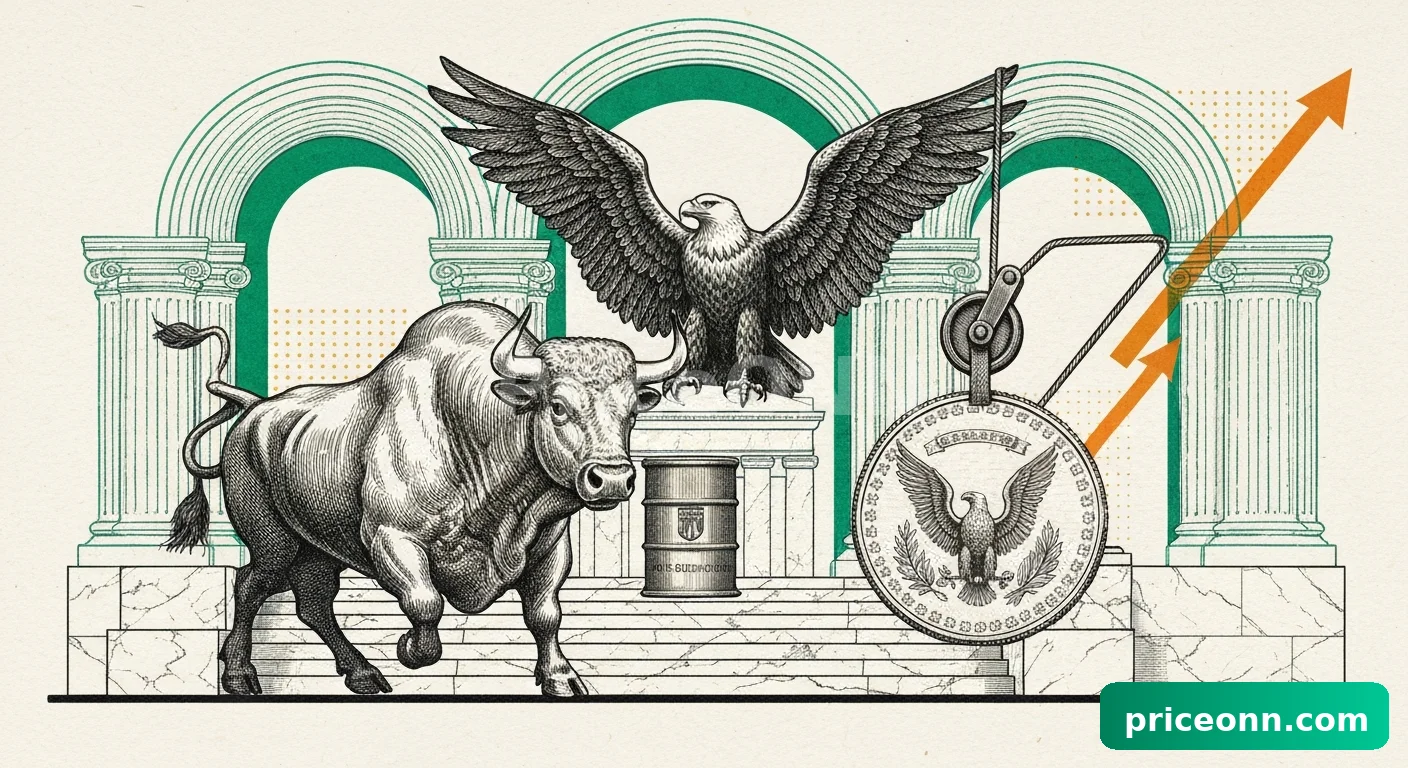
The US Dollar Index (DXY) has seen a notable uptick, trading near the 99.50 mark. This move is largely attributed to a confluence of factors including rising United States Treasury yields and growing expectations of a more hawkish stance from the Federal Reserve. Heightened oil prices are further bolstering the greenback by reinforcing inflation concerns, creating a supportive environment for the dollar.
Market Context
The dollar's ascent comes as market participants digest a mixed economic picture. While eurozone Purchasing Managers' Index (PMI) data indicated weakness, the resilience shown by the US economy, coupled with firming Treasury yields, has provided a solid foundation for dollar strength. The DXY, a measure of the dollar's value against a basket of major currencies, has been steadily grinding higher, with its performance against the New Zealand Dollar being particularly pronounced. Today, the dollar emerged as the strongest performer against the Kiwi, underscoring a broader trend of dollar appreciation.
Meanwhile, crude oil prices have surged, with West Texas Intermediate (WTI) leading the charge. WTI, a benchmark grade of crude oil sourced in the United States, is often quoted in financial media and is a key indicator of global energy market dynamics. Its price is primarily driven by global supply and demand, influenced by economic growth, geopolitical events, and the production decisions of major oil-producing nations like OPEC. The interplay between a strengthening dollar and oil prices is significant, as oil is predominantly traded in USD. A weaker dollar typically makes oil more affordable for holders of other currencies, potentially increasing demand, while a stronger dollar can have the opposite effect. However, in the current environment, rising oil prices are signaling underlying inflationary pressures, which in turn supports the Federal Reserve's hawkish outlook.
Analysis & Drivers
The primary drivers behind the dollar's current strength appear to be twofold: monetary policy expectations and inflation indicators. The Federal Reserve has signaled a more aggressive approach to tackling inflation, leading to increased demand for US Treasury bonds, which in turn pushes yields higher. Higher yields make dollar-denominated assets more attractive to international investors, thereby increasing demand for the dollar. Market data indicates that the probability of further interest rate hikes by the Fed has been steadily increasing, creating a tailwind for the greenback.
Concurrently, the surge in oil prices, driven by a combination of supply-side concerns and robust demand, adds another layer to the market narrative. Weekly oil inventory reports from the American Petroleum Institute (API) and the Energy Information Administration (EIA) are closely watched. A significant draw in inventories, as has been suggested by recent trends, points to stronger-than-anticipated demand or constrained supply, both of which contribute to upward price pressure on crude. This inflationary impulse from energy markets reinforces the case for continued monetary tightening by the Fed, creating a virtuous cycle for dollar strength.
Trader Implications
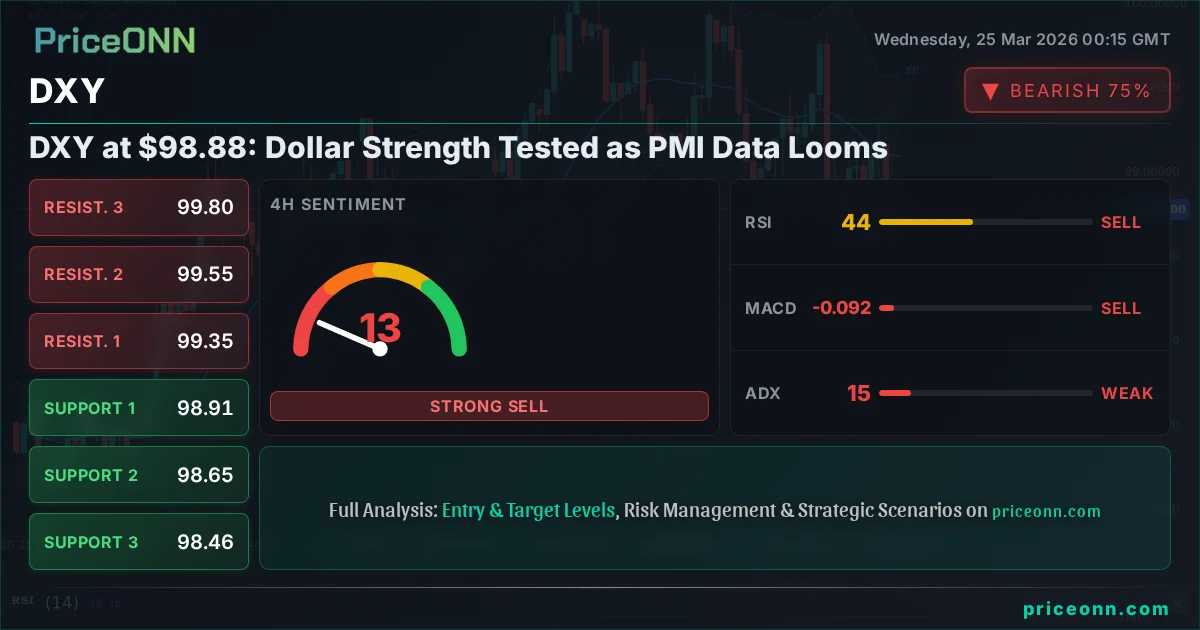
For forex traders, the current environment presents several key considerations. The upward momentum in the DXY suggests that short-term bullish biases for the dollar may be warranted, particularly against currencies sensitive to US monetary policy or commodity price fluctuations. Traders should monitor key technical levels for the DXY, with 99.50 acting as an immediate psychological level and potential support. Resistance may be found around the 100.00 mark.
Key data points to watch include upcoming US inflation figures and further commentary from Federal Reserve officials regarding their policy outlook. The relationship between oil prices and the dollar remains a critical factor; a sustained rise in crude could further entrench hawkish Fed expectations. Conversely, any signs of easing inflationary pressures or a shift in Fed rhetoric could lead to a correction in dollar strength. For pairs like USD/NZD, the current trend suggests potential for further downside, but traders should remain vigilant for any shifts in market sentiment or unexpected economic data releases. Establishing clear risk management strategies, including defined stop-loss levels below key support areas such as 99.00 for the DXY, is crucial.
Outlook
The outlook for the US Dollar appears cautiously optimistic in the short to medium term, provided that inflation remains elevated and the Federal Reserve maintains its hawkish stance. The combination of rising yields and supportive commodity prices creates a favorable environment. However, traders should be prepared for potential volatility as market participants digest incoming economic data and central bank communications. Any significant deviation from the expected inflation trajectory or a dovish pivot from the Fed could quickly alter the dollar's trajectory. The continued strength in oil prices suggests that inflationary pressures are likely to persist, lending further support to the dollar's current rally.
Frequently Asked Questions
What is driving the current strength of the US Dollar?
The US Dollar Index (DXY) is strengthening primarily due to rising US Treasury yields and expectations of hawkish monetary policy from the Federal Reserve. Elevated oil prices are also contributing by signaling persistent inflation, further supporting the dollar's upward move towards the 99.50 level.
How do oil prices impact the US Dollar?
Oil is predominantly traded in US Dollars. When oil prices rise significantly, it can signal inflationary pressures. This often leads central banks like the Federal Reserve to adopt a more hawkish stance (raising interest rates), which in turn increases demand for the dollar and strengthens it, even though oil itself becomes more expensive globally.
What key levels should traders watch for the US Dollar Index (DXY)?
Traders should monitor the 99.50 level as immediate support. A break above this could target the psychological 100.00 level. Conversely, a failure to hold 99.50 could see a retreat towards 99.00, where further support is expected.
Track markets in real-time
Empower your investment decisions with AI-powered analysis, technical indicators and real-time price data.
Join Our Telegram Channel
Get breaking market news, AI analysis and trading signals delivered instantly to your Telegram.
Join Channel


PriceONN