XTI/USD Analysis: WTI Oil Prices Under Pressure from Trump’s Statements
Oil's Sudden Reversal: A Diplomatic Dive
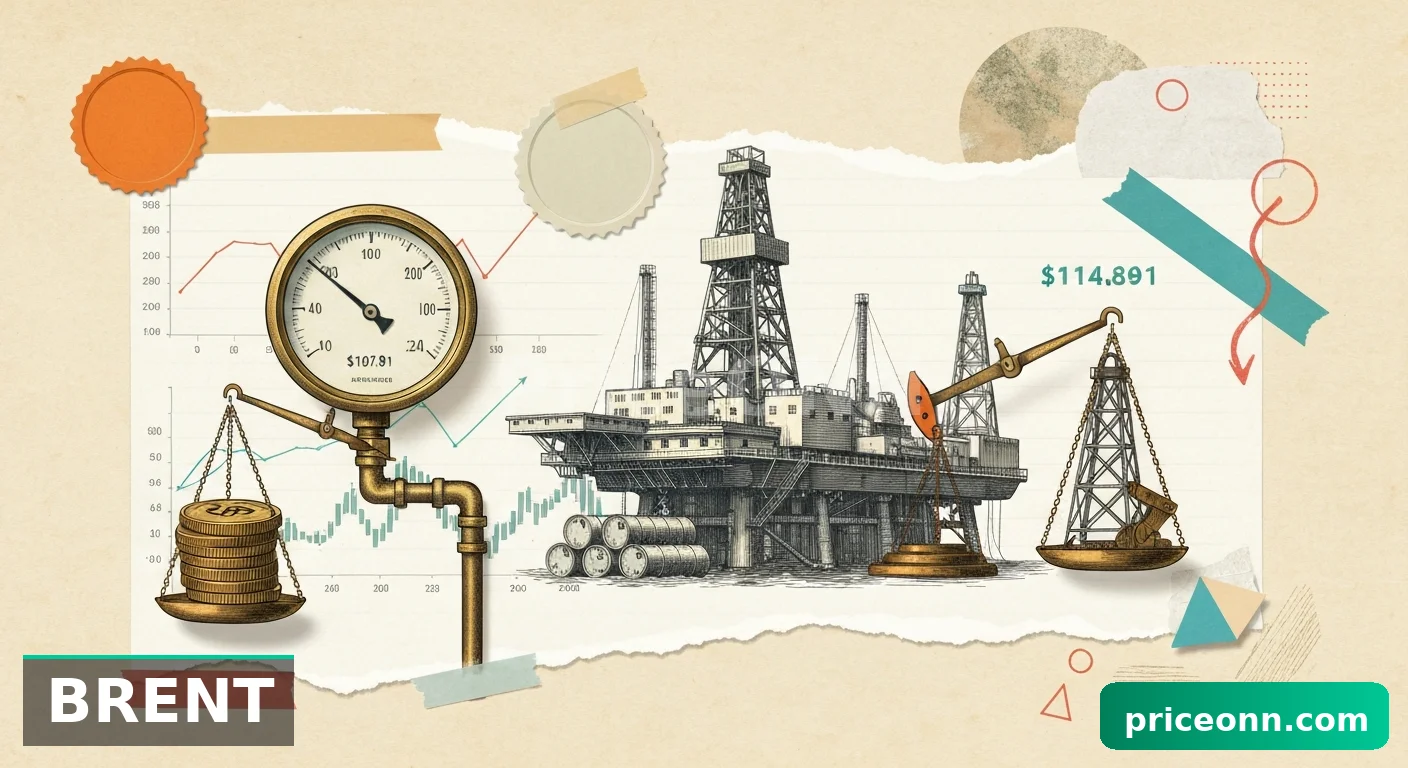
The market witnessed a stunning reversal in West Texas Intermediate (WTI) crude prices yesterday. After a fleeting surge that briefly breached the significant $100 per barrel mark, the commodity experienced a precipitous fall, shedding considerable ground to find temporary footing near the $85 level. This dramatic shift wasn't driven by typical supply and demand dynamics but by a series of pronouncements from the highest office in the United States.
Official statements indicated that planned military actions targeting Iranian energy facilities had been put on hold for a five-day period, citing ongoing diplomatic efforts. However, this narrative was swiftly contradicted. Iran's representatives publicly denied any active negotiations aimed at deescalating the conflict. Simultaneously, regional tensions escalated, with reports of continued Israeli strikes on Iranian targets and renewed Iranian attacks against American interests in the Middle East.
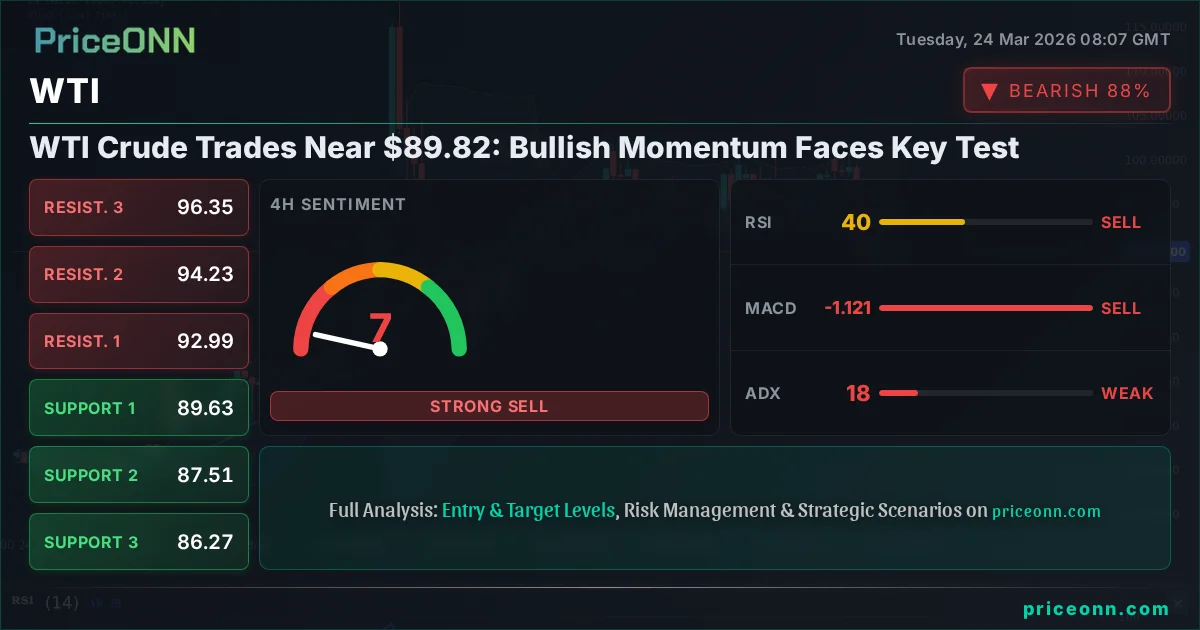
This conflicting information landscape suggests a strategic, albeit unconventional, market intervention. The US President's remarks seem to have been a deliberate attempt to exert downward pressure on oil prices. The effectiveness of this verbal maneuver is undeniable; the XTI/USD trading chart clearly illustrates the impact, with WTI trading below its levels from the preceding week.
Navigating the Technical Landscape
A technical review from March 16th identified key price points that are now proving critical. At that time, analysts noted substantial selling activity emerging around the $100 psychological barrier. Furthermore, a support cluster had formed following the price's exit from a descending channel, which provided a buffer against the initial descent yesterday. This zone proved instrumental in slowing the sharp decline.
The broader price action has since allowed for the mapping of a wide ascending channel. The lower boundary of this formation is now serving as a crucial support level. Conversely, from a bearish viewpoint, the $91.50 level, which previously acted as a floor, has now flipped to become a significant resistance point. Should bullish sentiment attempt a recovery from the channel's lower edge, the $95 mark will present a formidable test. It was at this level that sellers previously exerted control, pushing prices back below the channel's midpoint.
In the immediate future, a period of price stabilization or consolidation between the ascending channel's lower boundary and the $91.50 resistance level appears probable. This sideways movement could persist until more definitive news emerges, particularly concerning developments in the vital Strait of Hormuz shipping lane. Such geopolitical shifts often carry substantial weight for energy markets.
Market Ripple Effects
The sudden volatility in WTI crude prices, triggered by geopolitical rhetoric, sends ripples across various interconnected markets. Traders and investors must look beyond the immediate price action to understand the broader implications. The interplay between political statements and commodity prices highlights the inherent uncertainty that can dominate trading floors.
This situation places a spotlight on several related assets. The US Dollar Index (DXY) could see renewed strength if the perceived geopolitical risk increases, as the dollar often acts as a safe-haven asset. Conversely, a sustained drop in oil prices could ease inflation expectations, potentially influencing the Federal Reserve's monetary policy stance and affecting treasury yields.
Furthermore, energy sector equities, particularly oil and gas producers, will be sensitive to these price swings. A prolonged period of lower oil prices could squeeze profit margins for these companies. The geopolitical tensions also have a knock-on effect on regional currencies like the Canadian Dollar (CAD), which is closely tied to commodity prices. Monitoring the developments around the Strait of Hormuz remains paramount, as any actual disruption would likely cause an immediate and sharp spike in oil prices, reversing the current trend.
Track markets in real-time
Empower your investment decisions with AI-powered analysis, technical indicators and real-time price data.
Join Our Telegram Channel
Get breaking market news, AI analysis and trading signals delivered instantly to your Telegram.
Join Channel