
Why Did Oil Prices Tumble 12% as Iran Tensions Ease?
Crude oil prices experienced a dramatic selloff, with Brent crude for May delivery plunging 12.06% to $98.06 per barrel and West Texas Intermediate shedding 10.58% to $87.84 per barrel, as diplomatic signals emerged from the U.S. and Iran. This sharp reversal in energy markets comes after weeks of escalating tensions that had previously driven prices higher on fears of supply disruptions.
Market Context: Geopolitical Risk Premium Evaporates
The sudden shift in market sentiment was triggered by indications of direct engagement between the United States and Iran. Reports emerged Monday that the White House was in contact with a senior Iranian official, with claims that Tehran was seeking a resolution to the ongoing conflict, now in its fourth week. This diplomatic development led to a significant extension of the deadline for Iran to reopen the Strait of Hormuz, granting a five-day reprieve before potential U.S. strikes on Iranian energy infrastructure.
This represents a stark departure from the heightened rhetoric and threat of immediate action that characterized the preceding weekend. Those exchanges had amplified concerns over severe disruptions to energy supplies from the Persian Gulf, a critical chokepoint for global oil trade. The market's rapid repricing of these geopolitical risks is evident in the substantial price declines seen across the oil complex.
Analysis & Drivers: Diplomacy Dampens Supply Fears
The primary driver behind the precipitous drop in oil prices is the perceived reduction in immediate geopolitical risk. For weeks, traders have factored in a significant premium for potential conflict in the Middle East, specifically concerning Iran's ability to disrupt shipping lanes or be targeted by retaliatory strikes that could damage its energy facilities. The emergence of direct communication channels and a willingness to extend diplomatic deadlines have significantly diminished these immediate supply disruption fears.
Market data shows that the geopolitical risk premium embedded in oil prices had become substantial. The easing of these tensions, even if temporary, allows traders to reassess the fundamental supply and demand balance. While the underlying geopolitical situation remains complex, the immediate threat of conflict has receded, leading to a swift unwinding of long positions built on those fears. Analysts note that the market was likely over-positioned for escalation, making it susceptible to sharp corrections on any sign of de-escalation.
Trader Implications: Watch for Support Levels and Sentiment Shifts
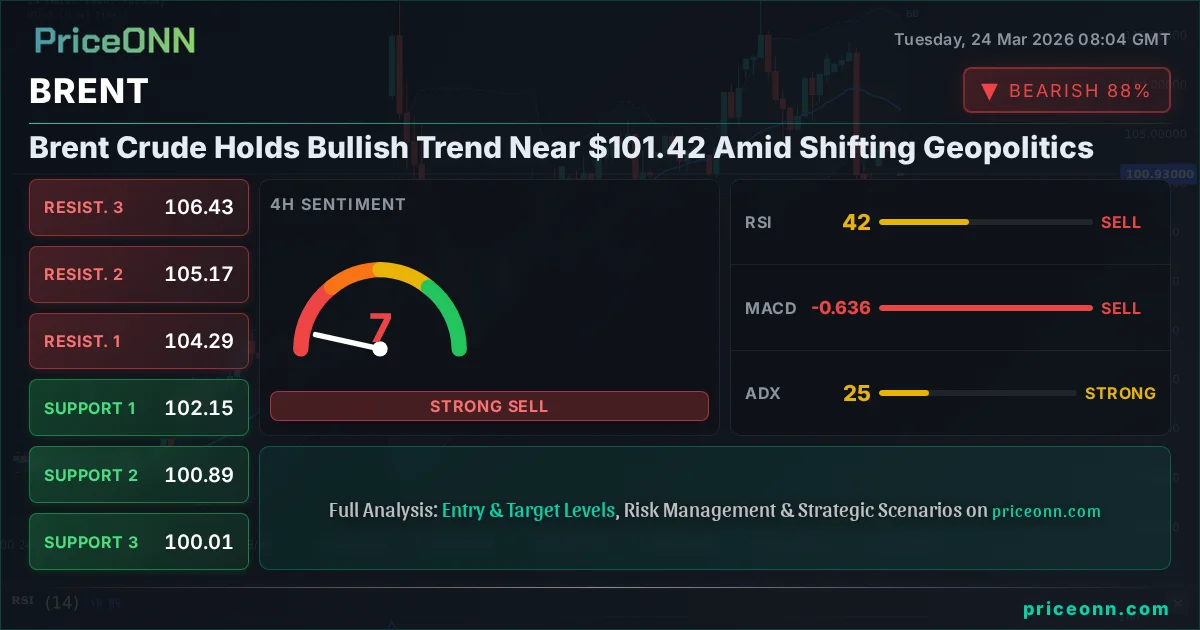
For traders, the dramatic price action presents both opportunities and risks. The immediate implication is a shift away from a risk-on environment for energy commodities. Key levels to watch for oil will be the recent support zones. Brent crude may find initial support around the $95 mark, while WTI could test levels near $85. A failure to hold these levels could signal further downside as sentiment fully pivots.
Traders should closely monitor any further communication from diplomatic channels and assess the longevity of this de-escalation. Any resurgence in hawkish rhetoric or a failure to meet diplomatic milestones could see prices rebound rapidly. The market's sensitivity to Middle Eastern geopolitical events means that volatility is likely to remain elevated. A key factor to watch will be whether OPEC+ makes any adjustments to production quotas in response to these price movements, though typically such bodies react to sustained trends rather than short-term shifts.
Outlook: Volatility Remains Key
The immediate outlook for oil prices hinges on the continued progress of diplomatic efforts between the U.S. and Iran. While the sharp selloff reflects a de-escalation of immediate conflict fears, the underlying geopolitical tensions have not disappeared. Traders should anticipate continued volatility as the market navigates this delicate diplomatic phase. Upcoming economic data releases, particularly inflation figures and central bank policy signals, will also play a role in broader market sentiment and risk appetite, which will indirectly influence energy markets.
Frequently Asked Questions
What caused the immediate drop in crude oil prices?
The primary cause was the emergence of diplomatic signals between the U.S. and Iran, suggesting a de-escalation of immediate conflict. This reduced the geopolitical risk premium that had been driving prices higher, leading to a sharp selloff as traders unwound positions anticipating supply disruptions.
Will oil prices continue to fall significantly from current levels?
Further significant declines depend on the sustained progress of diplomatic talks. While prices fell sharply, the underlying geopolitical tensions remain. Traders should watch for Brent crude to potentially test $95 and WTI to approach $85 as key support levels.
What should traders watch for in the coming days regarding oil markets?
Traders should monitor diplomatic communications for any signs of renewed escalation or de-escalation. Additionally, observing key technical support levels around $95 for Brent and $85 for WTI, as well as broader economic data and central bank sentiment, will be crucial.
Track markets in real-time
Empower your investment decisions with AI-powered analysis, technical indicators and real-time price data.
Join Our Telegram Channel
Get breaking market news, AI analysis and trading signals delivered instantly to your Telegram.
Join Channel


PriceONN