
Black Sea Drone Strikes and Strait of Hormuz Blockade Threaten Oil Supply Stability

Crude oil markets are facing a dual threat to supply stability, with escalating tensions in the Black Sea and a critical chokepoint in the Middle East creating a volatile backdrop for prices. The recent targeting of a tanker carrying Russian oil near Istanbul, following an earlier incident in the region, highlights the growing risks for energy transit routes. Simultaneously, the prolonged closure of the Strait of Hormuz continues to lock millions of barrels of Middle Eastern crude, particularly sour grades essential for refining operations.
Market Context
The incident involving the Altura crude oil tanker, struck by what Turkish authorities suspect was an unmanned underwater vehicle near the Bosporus Strait, underscores the fragility of Black Sea shipping lanes. The tanker, carrying approximately 1 million barrels of Russian Urals crude, sustained damage to its engine room but reported no injuries among its 27 crew members. This event, occurring just weeks after another tanker was damaged in the same region, amplifies concerns over the security of Russian oil exports. In parallel, the de facto blockade of the Strait of Hormuz, a vital artery for global oil trade, is entering its critical phase. This disruption has already forced Asian nations, heavily reliant on Gulf energy, into rationing and seeking costly alternative supplies. The physical reality of millions of barrels being landlocked is starkly contrasted by the paper market's often detached sentiment, creating a significant disconnect that traders must navigate.
Analysis & Drivers
The confluence of these geopolitical events presents a complex picture for oil traders. The Black Sea drone attacks introduce an element of direct supply disruption and increased insurance costs for vessels operating in the region. The targeting of a sanctioned tanker further complicates the flow of Russian oil, potentially impacting global availability and pricing. Analysts note that while diplomatic overtures may temporarily temper market sentiment, the physical supply constraints in the Middle East remain a dominant factor. The Strait of Hormuz blockade is not a temporary inconvenience; it is preventing producers from moving product, leading to genuine output curtailments. This persistent loss of supply, estimated to be in the millions of barrels per day, is gradually exerting upward pressure on prices, a reality that the futures market may eventually be forced to acknowledge.
Trader Implications
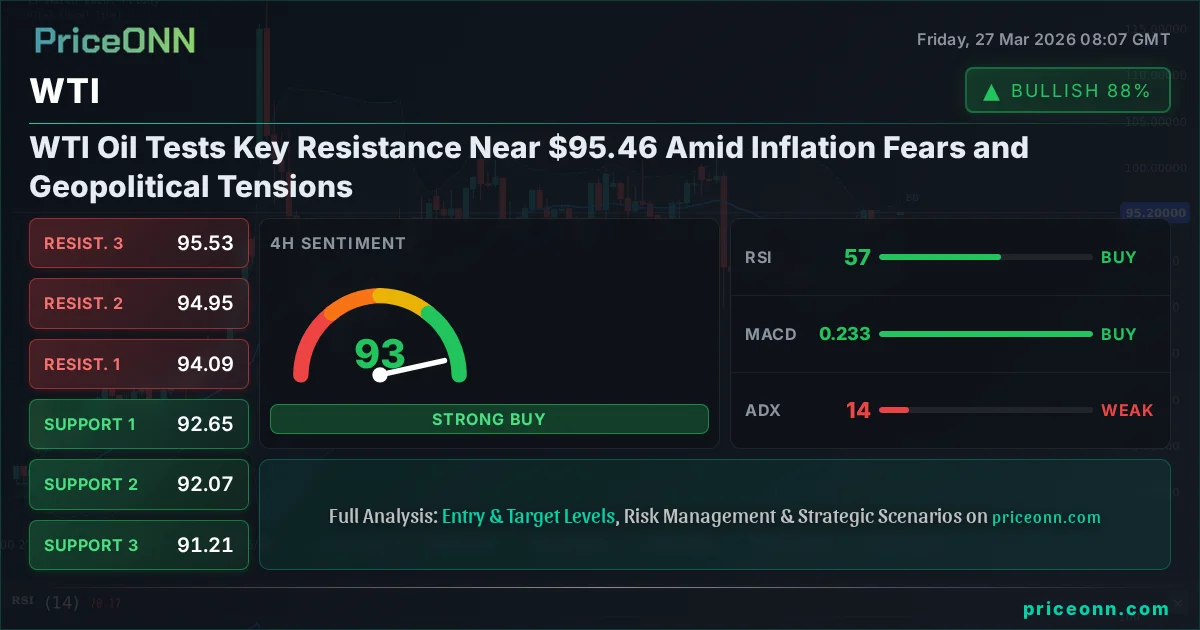
Traders should closely monitor developments in both the Black Sea and the Strait of Hormuz. Key levels to watch for Brent crude include immediate resistance around $88 per barrel and support at $83.50. For WTI, the critical resistance hovers near $83 per barrel, with support at $78.20. The risk of further attacks in the Black Sea could trigger rapid price spikes, while any signs of de-escalation at the Strait of Hormuz might lead to temporary pullbacks. However, the underlying physical supply deficit suggests that any significant price dips may be short-lived. Investors should consider the increased volatility and the potential for supply-driven rallies. Options strategies that benefit from increased volatility or upward price momentum could be considered, but with strict risk management protocols due to the unpredictable geopolitical landscape.
Outlook
The outlook for crude oil remains decidedly bullish as long as current supply disruptions persist. The ongoing blockade of the Strait of Hormuz and the security concerns in the Black Sea are creating a tangible deficit that is difficult to offset. While diplomatic efforts are ongoing, the physical market realities suggest that prices are likely to trend higher in the coming weeks. Traders should prepare for continued choppiness but maintain a bias towards upside potential, particularly if geopolitical tensions further escalate or if the Strait of Hormuz remains inaccessible beyond March.
Frequently Asked Questions
What is the immediate impact of the Black Sea tanker incident on oil prices?
The drone attack on the Altura tanker, carrying 1 million barrels of Russian Urals crude, introduces immediate uncertainty and risk premiums to the market. While not causing an immediate price surge, it exacerbates existing supply concerns and could lead to higher insurance costs and potential shipping delays, contributing to upward price pressure.
How significant is the Strait of Hormuz closure for global oil supply?
The Strait of Hormuz is a critical chokepoint through which millions of barrels of oil transit daily. Its prolonged closure effectively landlocks significant crude volumes, forcing producers to curtail output and creating a substantial physical supply deficit that is already impacting Asian markets and is expected to spread globally.
What are the key price levels traders should watch for Brent and WTI crude?
For Brent crude, traders should monitor resistance at $88 per barrel and support at $83.50. For WTI, key resistance is seen around $83 per barrel, with support holding at $78.20. These levels will be crucial in gauging the market's reaction to ongoing supply risks.
Track markets in real-time
Empower your investment decisions with AI-powered analysis, technical indicators and real-time price data.
Join Our Telegram Channel
Get breaking market news, AI analysis and trading signals delivered instantly to your Telegram.
Join Channel
PriceONN