
Can Libya Emerge as a New Oil Haven Amidst Middle East Turmoil?

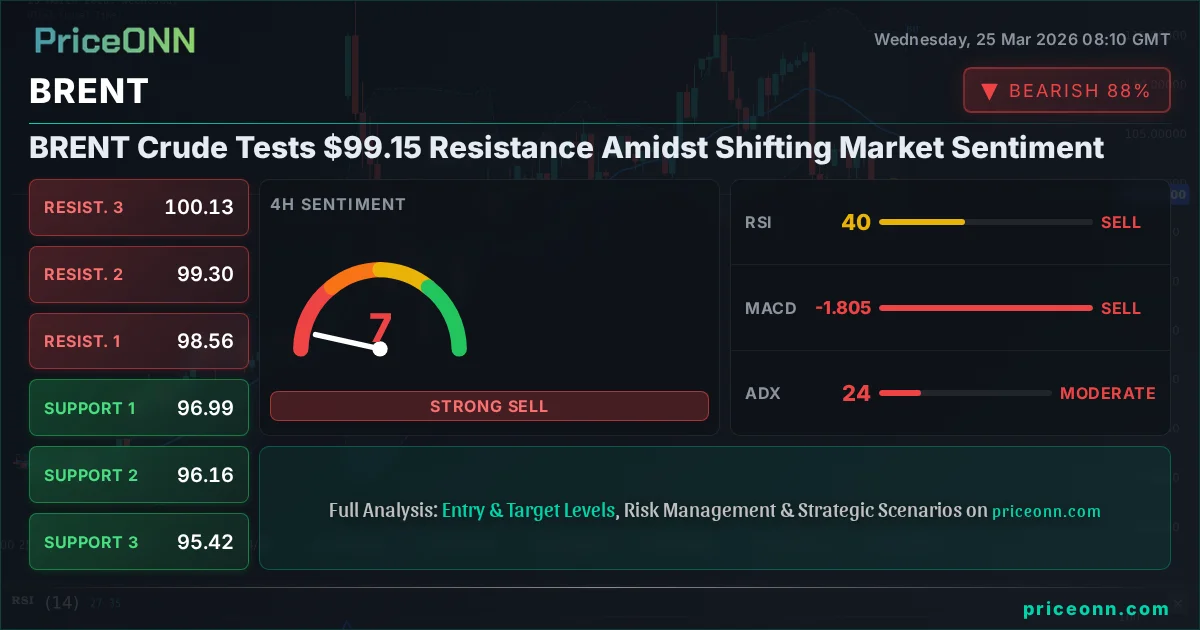
Libya is emerging as an unexpected focal point for energy investment, presenting a stark contrast to the escalating instability in key Middle Eastern oil-producing states. This resurgence of interest from international oil companies (IOCs) is occurring even as the region grapples with heightened geopolitical risks, including significant production cutbacks and oil prices pushing Brent crude futures above $100 per barrel. While Libya itself faces internal factional challenges, evidenced by recent incidents like the fire at the Sharara oil field, its strategic importance for energy diversification is growing.
Market Context
The global energy landscape is being dramatically reshaped by ongoing geopolitical conflicts. Since late February, Middle Eastern oil producers have collectively slashed output by an estimated 7 to 12 million barrels per day. This severe reduction has crippled exports and exacerbated supply concerns, with Iran reportedly imposing a $2 million toll for vessels transiting the Strait of Hormuz. In this environment, Brent crude has surged past the $100 mark, while West Texas Intermediate (WTI) hovers in the low $90s, reflecting a substantial risk premium moving into actual supply constraints.
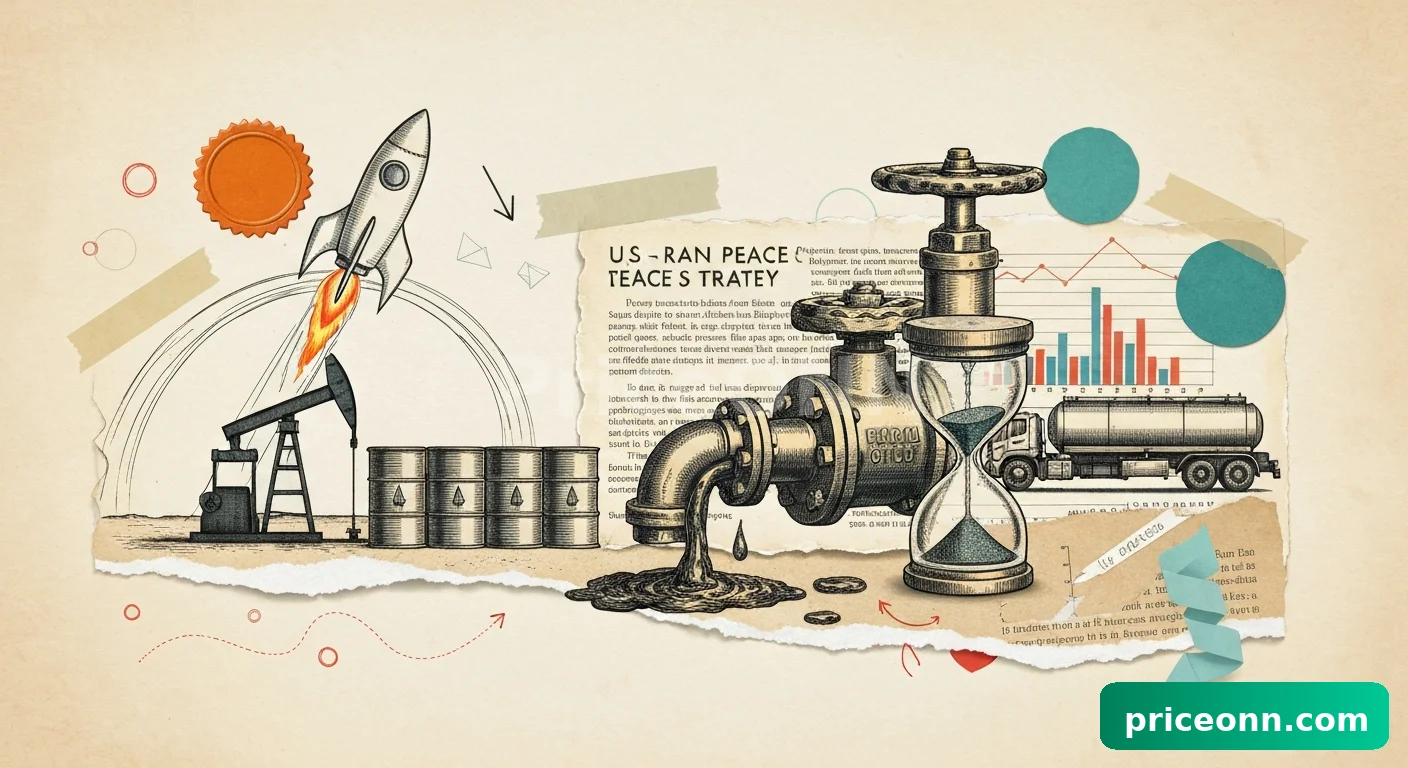
Saudi Arabia, despite publicly advocating for regional stability, is reportedly urging the White House to maintain its campaign against Iran. Sources suggest this strategy is partly driven by concerns that a prolonged conflict could lead to further attacks on Saudi oil infrastructure. While the Kingdom can utilize its East-West pipeline to reroute some exports to the Red Sea port of Yanbu, this system has a maximum capacity of 7 million barrels per day and cannot fully compensate for the lost volumes. March export figures are anticipated to be significantly lower than the February average of 7.1 million barrels daily, underscoring the direct impact of the regional crisis on Saudi production and exports.
Analysis & Drivers
Libya's appeal is bolstered by its ambition to significantly increase crude oil output to 2 million barrels per day by 2028. To achieve this, the nation plans to offer 22 offshore and onshore blocks for licensing, a clear signal aimed at attracting foreign capital and technological expertise. These efforts appear to be yielding results, with recent discoveries and project restarts indicating a tangible shift in investor sentiment.
Italian energy giant Eni is a prime example of this renewed commitment. The company recently announced substantial offshore gas discoveries near its existing Bahr Essalam field, Libya's largest offshore gas producer. Preliminary estimates suggest reserves in the new structures, Bahr Essalam South 2 and Bahr Essalam South 3, could exceed 1 trillion cubic feet of gas. Their proximity to existing facilities, approximately 16 kilometers south, offers a pathway for rapid development and integration, supporting both domestic energy needs and export opportunities to Italy.
This strategic investment in deepwater exploration by a major European energy firm underscores a long-term conviction in Libya's potential. Such capital-intensive projects, requiring robust security assurances, are not undertaken lightly and suggest a belief that Libya is entering a more stable phase conducive to sustained energy development, despite localized security concerns.
Trader Implications
Traders should monitor the effectiveness of Libya's production ramp-up plans and the success of its licensing rounds. Any significant increase in Libyan output could provide a much-needed supply cushion, potentially easing pressure on global oil prices, especially if Middle Eastern disruptions persist. Key indicators to watch include:
- Libyan Production Levels: Tracking daily output figures for signs of sustained growth towards the 2 million bpd target.
- IOC Investment Activity: Observing further announcements from major energy companies regarding new exploration or production agreements in Libya.
- Geopolitical Stability: Monitoring internal security developments within Libya and their potential impact on oil infrastructure.
- Brent/WTI Price Action: Assessing how market sentiment reacts to potential Libyan supply additions versus ongoing Middle East supply risks.
While the Strait of Hormuz remains a critical chokepoint, the potential for a more stable and expanding Libyan supply base offers a counter-narrative to the prevailing bearish factors. Traders should be prepared for increased volatility as these competing forces play out. A sustained move above $100 for Brent, driven by Middle East tensions, could be capped if Libyan production surprises to the upside.
Outlook
The coming months will be crucial in determining whether Libya can solidify its position as a stable energy provider. Success in attracting further international investment and achieving its ambitious production targets could significantly influence global oil supply dynamics. Conversely, any resurgence of internal conflict or failure to secure critical infrastructure could dampen this nascent optimism. For now, the market is likely to remain sensitive to developments in both the Middle East and North Africa, with Brent crude prices continuing to reflect the elevated geopolitical risk premium.
Frequently Asked Questions
What is Libya's target oil production by 2028?
Libya aims to significantly increase its crude oil output to 2 million barrels per day by the year 2028, signaling a major push to attract foreign investment and expertise.
How much gas did Eni recently discover in Libya?
Eni announced substantial offshore gas discoveries with preliminary estimates exceeding 1 trillion cubic feet of gas, located near its existing Bahr Essalam field.
What is the current price of Brent crude and why is it significant?
Brent crude futures have surpassed $100 per barrel, a level reflecting significant supply disruption fears stemming from Middle East tensions and production cutbacks, while Libya's potential output increase offers a counterbalancing factor.
Track markets in real-time
Empower your investment decisions with AI-powered analysis, technical indicators and real-time price data.
Join Our Telegram Channel
Get breaking market news, AI analysis and trading signals delivered instantly to your Telegram.
Join Channel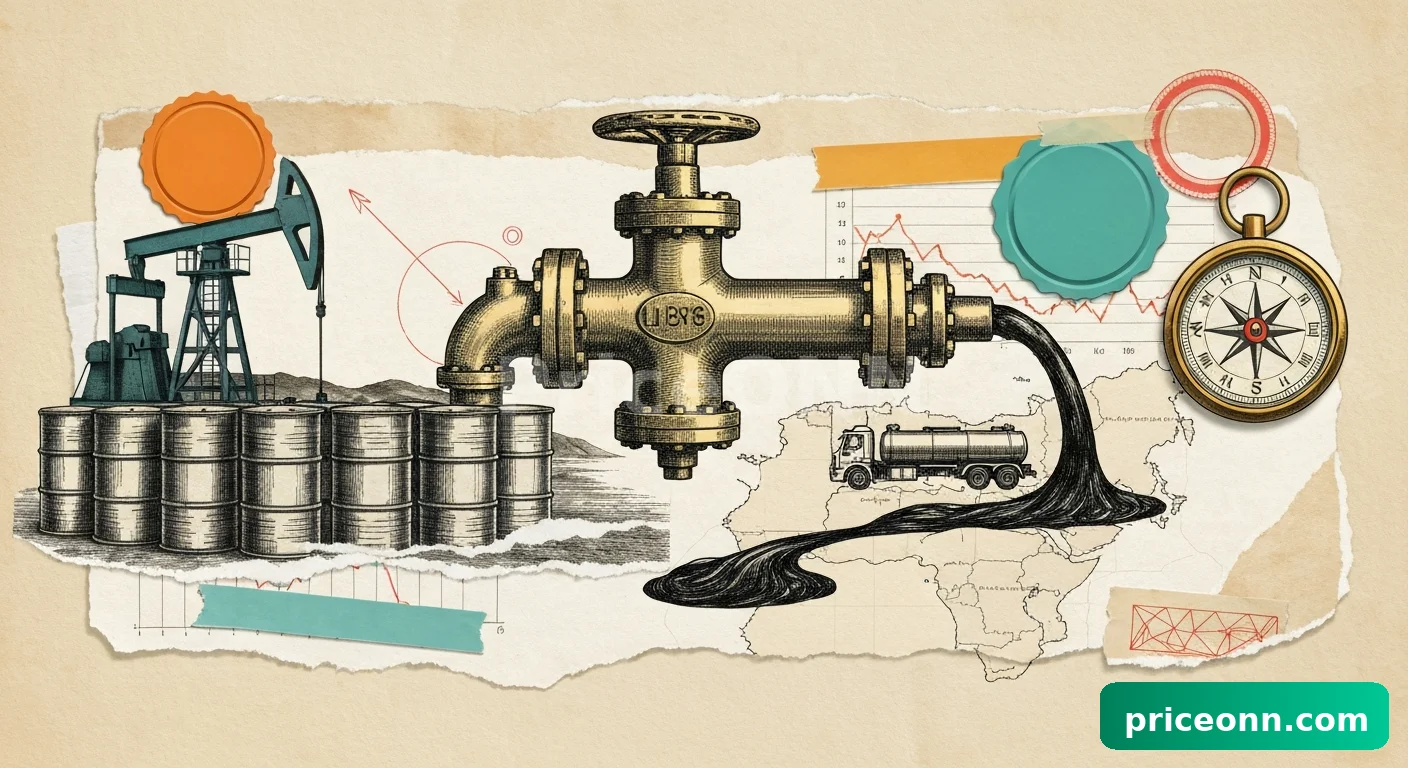
PriceONN