
Could Rising Neutral Rates Force the RBA's Hand for More Cash Rate Hikes?

The Australian dollar faces potential headwinds as the Reserve Bank of Australia (RBA) signals a reassessment of its monetary policy stance. Assistant Governor Christopher Kent indicated that ongoing geopolitical tensions, particularly in the Middle East, are exerting upward pressure on Australia's 'neutral' interest rate. This suggests that existing monetary policy may not be as restrictive as previously believed, potentially paving the way for additional cash rate hikes.
Market Context: Shifting Sands of Policy
The RBA's consideration of a more restrictive path stems from the complex interplay of global instability and persistent supply-side shocks. Typically, heightened global uncertainty can temper market sentiment and economic activity. However, in this instance, the conflict in the Middle East is creating unique inflationary pressures through energy supply disruptions. These shocks act as a de facto tax on consumers and businesses, simultaneously eroding purchasing power and hampering economic output. The RBA's challenge lies in managing the unavoidable economic slowdown caused by these supply issues while simultaneously guarding against the risk of these price surges becoming entrenched in long-term inflation expectations.
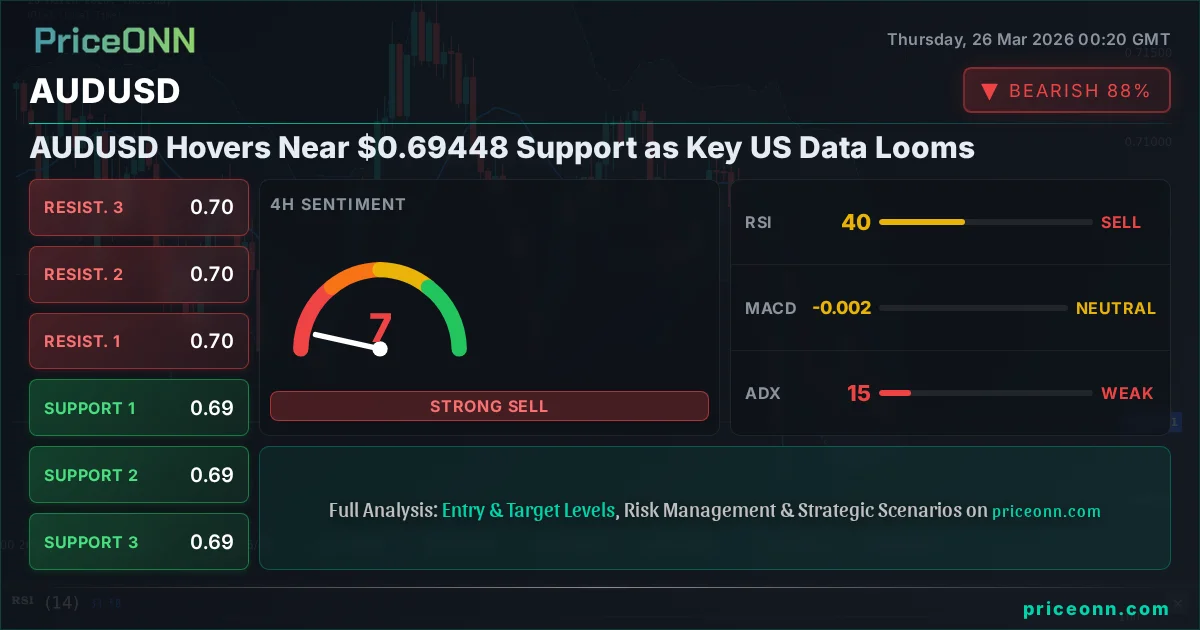
Analysis & Drivers: The 'Wealth Tax' of Conflict
Assistant Governor Kent characterized the escalating oil and gas prices, driven by the Middle East conflict, as a form of "wealth tax." This surge in energy costs effectively diminishes the nation's overall real income and savings. While the RBA has no direct influence over global oil supply dynamics, its mandate requires a response to the significant asset repricing triggered by such events. The central bank must carefully balance the need to acknowledge the economic drag from supply disruptions with the imperative to prevent imported inflation from de-anchoring inflation expectations. Market data indicates that the Australian CPI has shown persistent upward pressures in recent quarters, making the RBA's task more delicate. The concept of a 'neutral rate' – the theoretical interest rate at which monetary policy is neither expansionary nor contractionary – is being re-evaluated. If this neutral rate is indeed rising, it implies that the current cash rate of 4.35% might be below the level required to sufficiently cool inflation, thus necessitating further tightening.
Trader Implications: Watching the AUD and RBA Signals
For forex traders, the RBA's hawkish undertones present a complex picture for the Australian dollar (AUD). While higher interest rates can typically support a currency, the underlying economic pressures from energy shocks could create volatility. Traders should closely monitor key economic indicators, particularly inflation data and employment figures, for clues on the RBA's next move. Key resistance levels for AUD/USD may be tested if the RBA adopts a more aggressive tightening bias, while support could emerge if global risk aversion dominates. The divergence in monetary policy between major central banks, such as the Federal Reserve and the European Central Bank, will also be crucial. A widening interest rate differential in favor of Australia could bolster the AUD, but persistent inflation concerns might cap its upside potential.
Key factors for traders to watch include:
- Upcoming Australian inflation reports and their deviation from forecasts.
- Statements from RBA officials regarding the neutral rate and future policy intentions.
- Global energy price trends and their impact on Australia's terms of trade.
- The trajectory of interest rates from other major central banks.
The immediate implication is that the market may need to price in a higher terminal rate for Australia's cash rate than previously anticipated. This could lead to increased demand for AUD in forward markets, although immediate risk sentiment will play a significant role in short-term price action.
Outlook: Navigating Uncertainty
The RBA's evolving perspective underscores the significant challenges facing monetary policymakers in the current geopolitical climate. The persistent nature of energy supply shocks means that the path forward for Australian interest rates remains uncertain. Traders and investors should prepare for continued volatility in the AUD as the market digests these developments and awaits further clarity on the RBA's commitment to its inflation targets. The potential for a shift to a more restrictive policy, driven by a rising neutral rate, suggests that the current cash rate of 4.35% might be a floor rather than a ceiling for this tightening cycle.
Frequently Asked Questions
What is Australia's 'neutral' interest rate and why is it important?
The 'neutral' interest rate is the theoretical rate at which monetary policy is neither stimulating nor restricting economic growth. If this rate is rising, as suggested by RBA Assistant Governor Kent due to geopolitical shocks, it implies that current interest rates may not be sufficiently restrictive to combat inflation, potentially requiring the RBA to hike its cash rate, currently at 4.35%, further.
How are Middle East conflicts impacting the Australian economy and the AUD?
Conflicts in the Middle East are driving up global energy prices, acting like a "wealth tax" by reducing purchasing power and potentially embedding inflation. This necessitates a tighter monetary policy stance from the RBA. For the Australian dollar (AUD), this creates a mixed outlook: higher potential rates could be supportive, but persistent inflation risks and economic slowdown could cap gains.
What should forex traders watch for regarding the RBA's next policy moves?
Traders should closely monitor upcoming Australian inflation data, employment figures, and official RBA commentary on the neutral rate. Any indication of further tightening beyond the current 4.35% cash rate would likely support the AUD, but global risk sentiment and other central bank policies will remain critical influencing factors.
Track markets in real-time
Empower your investment decisions with AI-powered analysis, technical indicators and real-time price data.
Join Our Telegram Channel
Get breaking market news, AI analysis and trading signals delivered instantly to your Telegram.
Join ChannelPriceONN