Drillers See Triple-Digit Crude and Hit the Brakes
Producer Caution Amidst Price Surge
The global oil market is experiencing a significant price uplift, with Brent crude eclipsing $100 per barrel and WTI climbing above $90. On the surface, this presents an ideal scenario for energy producers. However, a closer look reveals a surprising degree of apprehension among those tasked with extracting oil, particularly within the United States. The very geopolitical tensions fueling these price gains are also casting a long shadow over future investment decisions, creating a complex and uncertain operating environment.
Recent findings from the Dallas Fed Energy Survey paint a clear picture of this industry sentiment. While the current price levels are comfortably above the breakeven points for most shale operations – with profitable drilling prices cited between $62 per barrel for non-Permian shale, $68 per barrel for conventional oil, and $70 for Permian operations – the response regarding expansion plans is notably subdued. A mere 21% of surveyed respondents indicated intentions to substantially increase their drilling activities this year. This cautious stance is directly linked to the escalating instability in the Middle East, a region critical to global energy security.
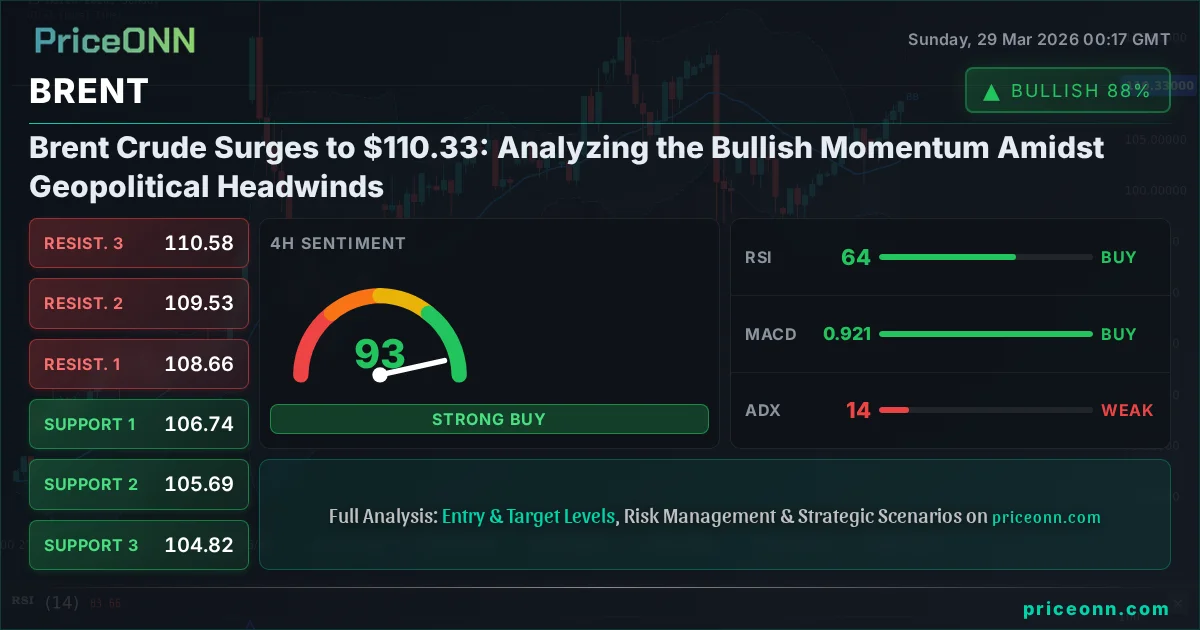
Industry executives, engaging in private discussions at events like CERAWeek, have voiced growing unease. They express frustration with the perceived disconnect between Washington's messaging and the on-the-ground realities. The uncertainty surrounding the conflict's duration and its potential ripple effects on energy supply chains is making long-term planning a precarious endeavor. This hesitation to commit to significant capital expenditure, even with favorable pricing, underscores a deep-seated concern about market stability and future demand.
The Ripple Effect of Geopolitical Instability
The conflict in the Middle East has introduced a layer of complexity that extends far beyond immediate supply disruptions. Energy executives are grappling with the potential for prolonged instability, which could have far-reaching consequences for global energy flows. One survey respondent articulated this sentiment, suggesting a preference for a “wait-and-see stance” on increased drilling. The immediate benefit of higher prices, they noted, would be best utilized to strengthen balance sheets, reduce debt burdens, and address deferred capital and operational spending, rather than fueling immediate expansion.
This cautious optimism highlights a critical tension: while the increased cash flow is welcome, the underlying volatility is unsettling. The longer the current crisis persists, the greater the risk of unforeseen consequences. Reports suggest that physical manifestations of supply chain disruptions are already being felt, with fuel shortages beginning to emerge in certain Asian nations and even in Australia. This indicates that the market may not yet fully price in the potential impact of disruptions, such as a closure of the Strait of Hormuz, a vital chokepoint for global oil transport.
The delicate balance between stimulating demand and ensuring supply is a constant concern. As one executive implicitly noted, oil prices ideally need to remain within a specific band – high enough to be profitable, but not so high as to deter consumption. When prices climb too steeply, the risk of demand destruction becomes a tangible threat. While current oil prices may not yet be severely impacting demand globally, the underlying anxieties are palpable, as evidenced by the survey responses. The conflicting messages from policymakers attempting to manage prices while geopolitical events drive them higher further complicate strategic decision-making for producers.
Reading Between the Lines
The current market environment presents a fascinating paradox for oil and gas producers. High prices are a double-edged sword; they offer immediate financial relief and the potential to deleverage and invest in necessary maintenance, but they also carry the inherent risk of triggering demand destruction if sustained at extreme levels. The producers are not necessarily against higher prices, but they are wary of the instability that creates them and the potential long-term consequences.
The primary driver of this caution appears to be uncertainty stemming from the Middle East conflict. Executives are concerned about the duration of the conflict and its potential to disrupt global energy supplies further. This geopolitical risk premium is a significant factor, and its full impact may not yet be reflected in current market prices. The difficulty in forecasting future price trajectories and supply security makes it challenging to commit to large-scale drilling initiatives. Consequently, many operators are prioritizing financial health and operational stability over aggressive expansion.
The sentiment expressed by survey respondents suggests a desire for a more predictable operating landscape. They are essentially hoping for a swift resolution to the ongoing conflict, which would allow for more stable price environments and clearer planning horizons. The current situation forces a delicate balancing act between capitalizing on immediate price strength and safeguarding against future volatility and potential demand erosion.
Track markets in real-time
Empower your investment decisions with AI-powered analysis, technical indicators and real-time price data.
Join Our Telegram Channel
Get breaking market news, AI analysis and trading signals delivered instantly to your Telegram.
Join Channel