
Will Middle East Conflict Force a Return to Energy Rationing?
The global energy landscape is facing unprecedented strain as escalating geopolitical tensions in the Middle East threaten to trigger widespread supply disruptions, with the specter of energy rationing returning to the forefront of market discussions. A critical chokepoint for global oil, the Strait of Hormuz, has experienced significant trade curtailment for weeks, a situation that analysts fear could prolong global energy shortages. This disruption is already impacting households struggling with soaring energy bills, a concern amplified by reports indicating the largest oil disruption in history.
Market Context
The ongoing conflict and diplomatic impasses have put a substantial portion of the world's oil supply under threat. Uncertainty surrounding the resolution of these conflicts and their impact on trade flows between major economic blocs is deepening market worries. Recent analyses from consulting firms highlight the immense scale of this disruption, with the closure and restricted passage through the Strait of Hormuz impacting global energy transit for an extended period. This has led to a significant uptick in volatility across energy markets, with crude oil prices experiencing sharp fluctuations as traders price in the heightened risk premium.
Analysis & Drivers
The primary driver behind the current market unease is the direct impact of geopolitical instability on vital energy supply routes. The conflict in the Middle East, particularly concerning the Strait of Hormuz, is the most immediate catalyst. The International Energy Agency (IEA) has recognized the severity of the situation, urging its member nations, including major economies like Australia, the United Kingdom, and the United States, to consider implementing emergency measures to curb oil demand. The IEA has specifically pointed to its 'Emergency Demand Restraint Playbook,' a pre-approved contingency measure readily available for deployment during critical disruptions. This recommendation underscores the agency's concern that current supply levels may become insufficient to meet global demand if the situation deteriorates further.
Trader Implications
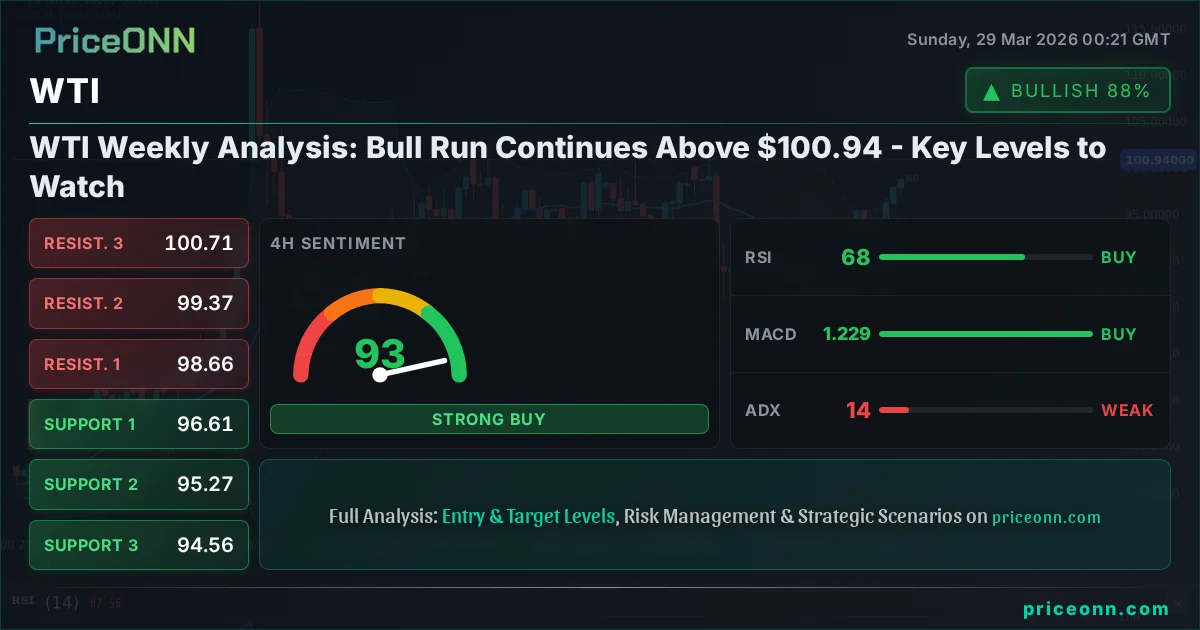
Traders should closely monitor developments in the Middle East and any official statements from the IEA or national governments regarding demand restraint measures. Key price levels to watch for crude oil include the recent highs around $85 per barrel, with any sustained breach potentially signaling further upside on supply fears. Conversely, a de-escalation in tensions could see prices retreat rapidly towards the $78-$80 per barrel range. The risk of unexpected supply outages remains elevated, suggesting that volatility will persist. Traders looking to position themselves might consider options strategies that benefit from increased price swings or focus on energy stocks that are well-hedged against supply shocks. A proactive approach to demand reduction, as advised by the IEA, could also present opportunities for consumers and businesses to mitigate their exposure to volatile energy prices.
Outlook
The immediate outlook for energy markets remains highly uncertain, contingent on the trajectory of the Middle East conflict and the effectiveness of any demand-side measures implemented. If diplomatic efforts fail to de-escalate tensions, the possibility of broader supply disruptions and the potential reintroduction of energy rationing globally becomes a more tangible concern. Traders and policymakers alike will be watching closely for any signs of stabilization or further escalation, as this will dictate the path forward for energy prices and availability through the remainder of the year.
Frequently Asked Questions
What is the primary concern driving discussions about energy rationing?
The primary concern is the escalating geopolitical conflict in the Middle East, which has significantly disrupted vital energy supply routes, including the Strait of Hormuz, raising fears of prolonged global energy shortages.
What action has the International Energy Agency (IEA) recommended?
The IEA has urged its member nations to consider implementing emergency measures to curb oil demand, advising both governments and consumers to actively reduce energy consumption to mitigate risks of shortages and rising costs.
What are the key price levels to watch for crude oil amid this volatility?
Traders should monitor crude oil prices. A sustained break above $85 per barrel could indicate further upside driven by supply fears, while a de-escalation might see prices fall back towards the $78-$80 per barrel range.
Track markets in real-time
Empower your investment decisions with AI-powered analysis, technical indicators and real-time price data.
Join Our Telegram Channel
Get breaking market news, AI analysis and trading signals delivered instantly to your Telegram.
Join Channel
PriceONN