
Oil Prices Soar Past $100, But Drillers Hit the Brakes on Expansion

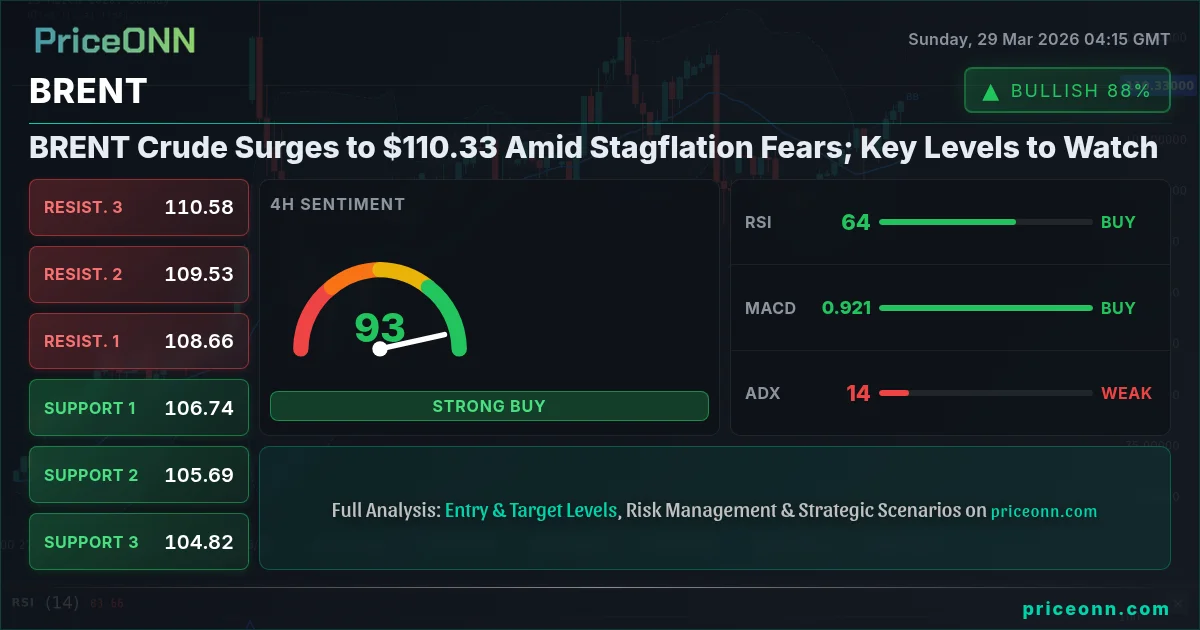
Brent crude has surged past $100 per barrel and West Texas Intermediate (WTI) has climbed above $90, signaling a significant uplift in global oil prices. While these figures suggest an ideal scenario for energy producers, a closer examination reveals a surprising level of caution among those at the forefront of oil extraction, particularly in the United States.
Market Context
The current price environment, driven by escalating geopolitical tensions in the Middle East, presents a stark paradox. On one hand, prices are comfortably above the breakeven points necessary for profitable drilling. Industry data indicates that profitable WTI drilling prices range from $62 per barrel for non-Permian shale operations, to $68 per barrel for conventional oil, and $70 per barrel for Permian operations. Despite this favorable pricing, a recent survey of energy producers indicates a subdued appetite for expansion. Only 21% of respondents plan to substantially increase drilling activities in the coming year. This hesitancy is a direct consequence of the heightened instability in a critical global energy supply region, making long-term investment planning a precarious undertaking.
Analysis & Drivers
The primary driver behind this cautious producer sentiment is the persistent uncertainty stemming from the ongoing conflict in the Middle East. This instability introduces a layer of complexity that extends beyond immediate supply disruptions. Energy executives are grappling with the potential for prolonged conflict, unpredictable supply chain impacts, and a general unease about the future trajectory of global energy markets. This apprehension is leading to a disconnect between current favorable pricing and the willingness to commit to significant capital expenditure. The desire for stable, predictable market conditions for long-term investment appears to outweigh the immediate allure of higher prices. Industry leaders have expressed frustration with the perceived gap between policy pronouncements and the on-the-ground realities of operating in an increasingly volatile environment.
Trader Implications
For traders, the current market dynamic presents a nuanced picture. While the soaring prices suggest bullish momentum, the underlying producer caution implies that supply growth may not keep pace with demand if tensions de-escalate or if unforeseen disruptions occur. Key levels to watch include the $100 mark for Brent crude as psychological resistance and potential support, and the $90 level for WTI. Traders should monitor geopolitical developments closely, as any significant escalation or de-escalation in the Middle East could trigger sharp price movements. The lack of aggressive drilling expansion by U.S. producers suggests that supply-side responses to higher prices will be muted in the short to medium term, potentially supporting higher price floors.
Outlook
The outlook for oil prices remains heavily contingent on the geopolitical situation in the Middle East. Should tensions persist or escalate, prices could see further upward pressure, although producer restraint might cap the extent of the rally. Conversely, a swift resolution to the conflict could lead to a price correction as market anxieties subside. However, the cautious stance of producers suggests that even in a scenario of de-escalation, a rapid return to pre-conflict production levels is unlikely, potentially providing a floor for prices. The upcoming quarterly earnings reports from major energy firms will also offer insights into their investment strategies and outlooks.
Frequently Asked Questions
What is the current price of Brent crude and WTI?
Brent crude is trading above $100 per barrel, while West Texas Intermediate (WTI) has surpassed $90 per barrel, reflecting significant upward price momentum in the global oil market.
Why are oil drillers hesitant to increase production despite high prices?
Oil drillers are hesitant due to the uncertainty caused by the Middle East conflict. This instability makes long-term investment planning difficult, despite current prices being well above profitable breakeven points, which are cited around $62-$70 per barrel depending on the region and oil type.
What should traders watch for in the coming weeks?
Traders should closely monitor geopolitical developments in the Middle East for potential price catalysts. Key price levels to watch are $100 for Brent and $90 for WTI. The limited planned increase in drilling activity by producers suggests a potentially tighter supply outlook, which could support prices.
Track markets in real-time
Empower your investment decisions with AI-powered analysis, technical indicators and real-time price data.
Join Our Telegram Channel
Get breaking market news, AI analysis and trading signals delivered instantly to your Telegram.
Join Channel
PriceONN