Escalation Continues

Middle East tensions escalated over the weekend as around 3’500 US troops came to the region – increasing the chances of a ground operation that will likely last weeks – and Iran-backed Houthis joined the war. That’s a big deal as their inclusion brings new uncertainty regarding trade through the Red Sea, at a time when disruption in the Strait of Hormuz is taking a toll on global energy and other essential goods flows – including fertilizers. Saudi, remember, had redirected its oil exports to the Yanbu port on the Red Sea and was able to export around 5mbpd of oil – a bit less than the roughly 7mbpd export capacity through the Strait of Hormuz. So now, shipping through the Red Sea is also becoming risky.
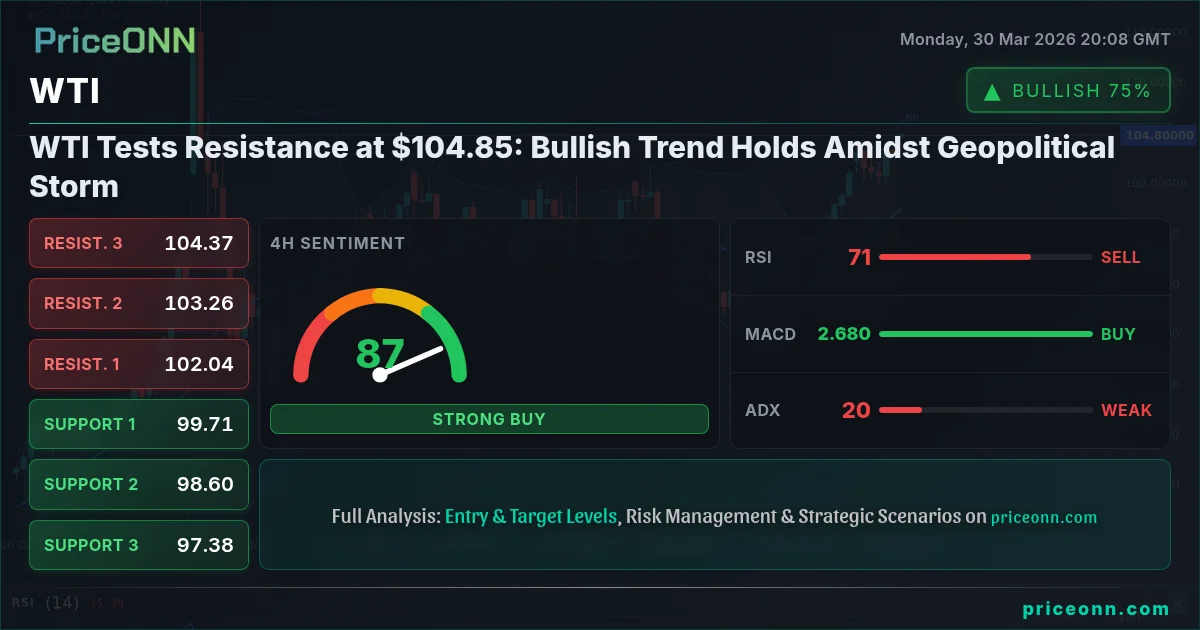
Escalation and expansion of the Middle East conflict sent crude oil and aluminium up at the open. Aluminium prices jumped more than 5% in Asia after Iran struck aluminium producers in Bahrain and the UAE over the weekend. US crude approached the $105pb level before retreating slightly to just below $103pb at the time of writing, while Brent crude flirted with the $110pb mark. There are bets that crude could rise to $150 and even to the $200pb level if the war doesn’t end quickly. I believe that demand would be heavily hit if prices go that high. Above $120–130pb, global recession odds would take the upper hand and tame upside pressure.
What’s certain, however, is that the persistent rise in oil prices continues to fuel global inflation and stagflation bets, as tighter monetary policies from global central banks could slow down demand, but not fully reverse an external inflation shock – leaving many economies with high inflation and rising unemployment. That’s the definition of stagflation.
The latter will – at some point – ease the latest hawkish shift in central bank expectations: a sharp economic slowdown could convince central banks to act less aggressively.
The Japanese 10-year yield opened the week at a fresh multi-year high, near 2.38%, but slightly eased, while the US 2-year yield is softer this morning. This slight rebound in sovereign bonds could explain why S&P 500 futures have slightly turned positive this morning, but there is no doubt that the unideal geopolitical and macroeconomic backdrop will continue to weigh on risk appetite.
The S&P 500 fell more than 2% last week – it was the fifth consecutive week of losses – while the 100 sank more than 3%. Losses since the January peak have now surpassed 10%, meaning that the index has entered correction territory, with risks only building for a deeper pullback. The VIX index ended last week above the 30 level, while volatility across sovereign bonds has also reached eye-watering levels. High volatility in both stocks and bonds has led to one of the largest monthly declines in 60/40 portfolios since 2022. Last week’s weak Treasury auctions only came as confirmation that investors remain worried.
Inside tech, CrowdStrike has become the latest victim of AI anxiety. The stock price fell nearly 6% on Friday after Anthropic’s Mythos AI model advanced cyber capabilities, decreasing the need for certain security services. Meta also tanked 4%. The selloff followed ongoing legal problems regarding the addictive nature of the platforms harming young users, but the latter is likely a trigger and not the main cause. Investors have been growing uncomfortable with massive AI spending (increasingly financed by debt), and indeed we have seen a similar drop across other Magnificent 7 stocks, for companies that are not involved in legal issues like Amazon.
So this week, investors will continue to watch Middle East developments, oil and energy prices, and their impact on inflation and central bank expectations.
The US dollar has pushed above the 100 level, helped by safe-haven demand and higher oil prices. But gains have been limited as the USDJPY bounced lower after shortly trading above the critical 160 level – a level that makes Japanese authorities uncomfortable and highly likely to act. And indeed, the country’s FX chief said that they could take bold action in the FX markets if the yen depreciation continues. This confirms that there is no juice left to be squeezed out of the USDJPY as speculative positions don’t have enough margin to tolerate a currency intervention. Of course, the yen will remain under pressure against the dollar, but any intervention – or threat of intervention – will keep speculative shorts in check.
Elsewhere, the Indian rupee also posted a strong gain on central bank intervention.
FX interventions to curb the dollar’s strength, at a time when oil prices have taken a lift, could slow the dollar’s appreciation, but what could eventually reverse it is: 1) de-escalation in the Middle East and 2) the hawkish divergence between the Fed and the other major central banks.
Remember, the Federal Reserve (Fed) has a dual mandate: it must ensure price stability but also a healthy jobs market. So any further softening in the jobs market could help ease hawkish Fed expectations.
This week, the US will reveal its latest jobs data. And even though Western markets will be closed for Good Friday, the data will still come out on Friday and is expected to show around 56K new nonfarm payroll additions in the US economy. A soft – or softer-than-expected – figure, or revisions, could help lift some of the hawkish pressure off the market’s shoulders and help ease yields. But the data will obviously remain secondary to Middle East headlines.
Track markets in real-time
Empower your investment decisions with AI-powered analysis, technical indicators and real-time price data.
Join Our Telegram Channel
Get breaking market news, AI analysis and trading signals delivered instantly to your Telegram.
Join Channel