
Is the Fed's Optimism Ignoring Growing Market Fears of Stagflation?
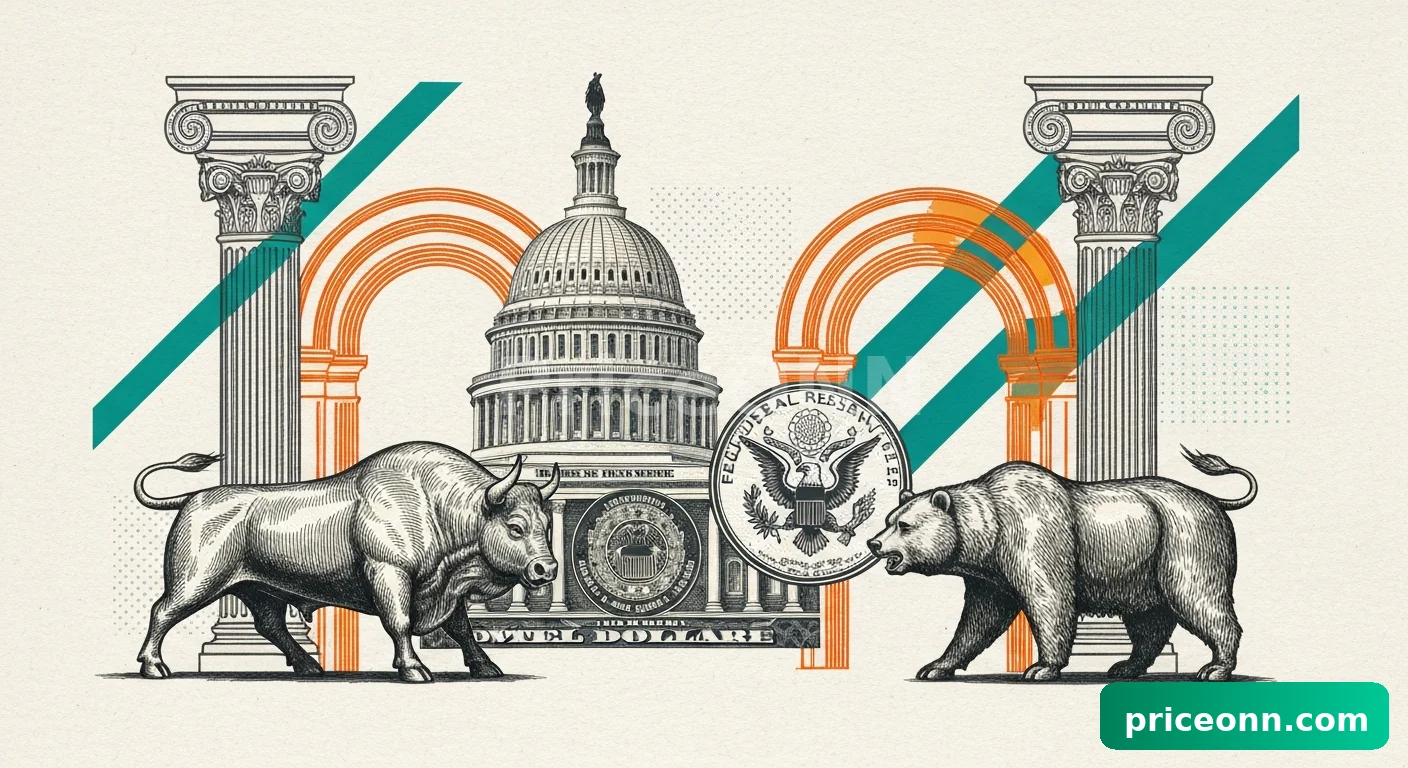
The Federal Reserve's latest policy meeting has sent ripples through financial markets, with investors dramatically scaling back expectations for interest rate cuts in 2026. Despite Federal Reserve Chair Jerome Powell's optimistic portrayal of a 'solid' economy, recent market data shows that traders now assign only a 17.2% probability to even a single quarter-percentage-point rate reduction by year-end, according to CME Group's FedWatch analysis. This sentiment shift occurred despite the FOMC statement acknowledging 'uncertainty' stemming from the escalating conflict in the Middle East, a factor Powell did not directly address.
Market Context
The Federal Open Market Committee (FOMC) concluded its recent meeting with a tone that, while outwardly confident about economic growth and labor market strength, failed to assuage investor concerns. Chair Powell characterized the economy as robust and dismissed notions of stagflation, even as inflation remains above the central bank's 2% target. However, the simultaneous escalation of hostilities in the Iran region has introduced a significant layer of geopolitical risk. Investors appear to be pricing in the potential economic fallout from these global events, leading to a sell-off in equities and futures. This market reaction, characterized by some as a 'taper tantrum,' suggests a disconnect between the Fed's assessment and the broader market's perception of future economic stability and monetary policy direction.
Analysis & Drivers
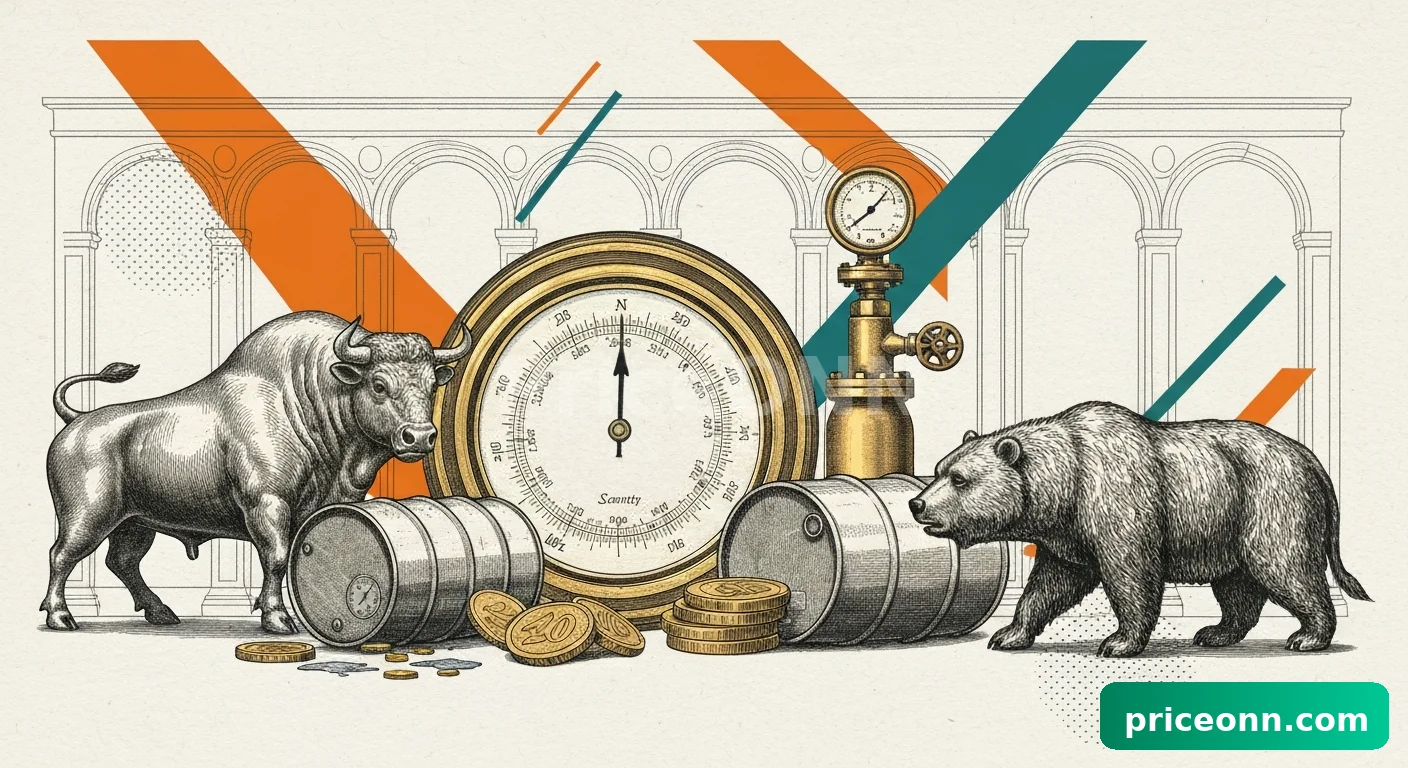
The primary driver behind the market's cautious stance appears to be the growing unease over the potential for stagflation – a scenario of high inflation coupled with stagnant economic growth. While Fed officials maintain an optimistic outlook, emphasizing solid economic fundamentals and the likelihood of moderating core inflation, the ongoing geopolitical tensions present a substantial wildcard. The conflict in the Middle East could disrupt supply chains, push energy prices higher, and generally dampen global economic activity. The Fed's apparent reluctance to directly acknowledge or incorporate these risks into its immediate policy outlook, as noted by market veterans, has amplified investor apprehension. The probability of a rate hike even saw a slight uptick to 8.4%, reflecting a market environment where tighter monetary policy is increasingly being considered as a possibility over easing.
Trader Implications
Traders should closely monitor the interplay between geopolitical developments and inflation data. The current market sentiment suggests a heightened sensitivity to any news that could exacerbate inflationary pressures or signal further economic deceleration. Key technical levels for major indices should be watched for signs of capitulation or potential rebounds. Given the diminished expectations for rate cuts, the focus shifts towards the Fed's forward guidance regarding inflation and its response to external shocks. Investors looking to position themselves might consider strategies that hedge against inflation and geopolitical uncertainty, while remaining alert for any shifts in central bank rhetoric that could signal a change in their assessment of economic risks.
Outlook
The immediate outlook suggests continued market volatility as investors grapple with the Fed's optimistic yet seemingly detached stance from escalating global risks. The probability of rate cuts this year remains low, putting pressure on risk assets. Future market movements will likely be dictated by the trajectory of the Middle East conflict, its impact on energy markets, and subsequent inflation readings. If inflation proves more persistent than the Fed anticipates, or if geopolitical tensions escalate further, the market may be forced to re-evaluate its expectations for monetary policy, potentially leading to more significant downside risks for equities.
Frequently Asked Questions
What is the current market expectation for Federal Reserve interest rate cuts in 2026?
Market data indicates a significantly reduced expectation for interest rate cuts. The probability of even a single 0.25% rate cut by year-end has fallen to approximately 17.2% following the latest Federal Reserve meeting.
Why are traders reacting negatively to the Fed's optimistic economic outlook?
Traders are concerned that the Fed's optimism may be overlooking significant risks, particularly the escalating geopolitical tensions in the Middle East and their potential to drive inflation higher and slow economic growth, a scenario known as stagflation.
What key factors should traders watch for in the coming weeks?
Traders should closely monitor developments in the Middle East, energy price fluctuations, and upcoming inflation reports. Any indication of persistent inflation or further geopolitical instability could significantly impact market sentiment and the likelihood of future Fed policy adjustments.
Track markets in real-time
Empower your investment decisions with AI-powered analysis, technical indicators and real-time price data.
Join Our Telegram Channel
Get breaking market news, AI analysis and trading signals delivered instantly to your Telegram.
Join Channel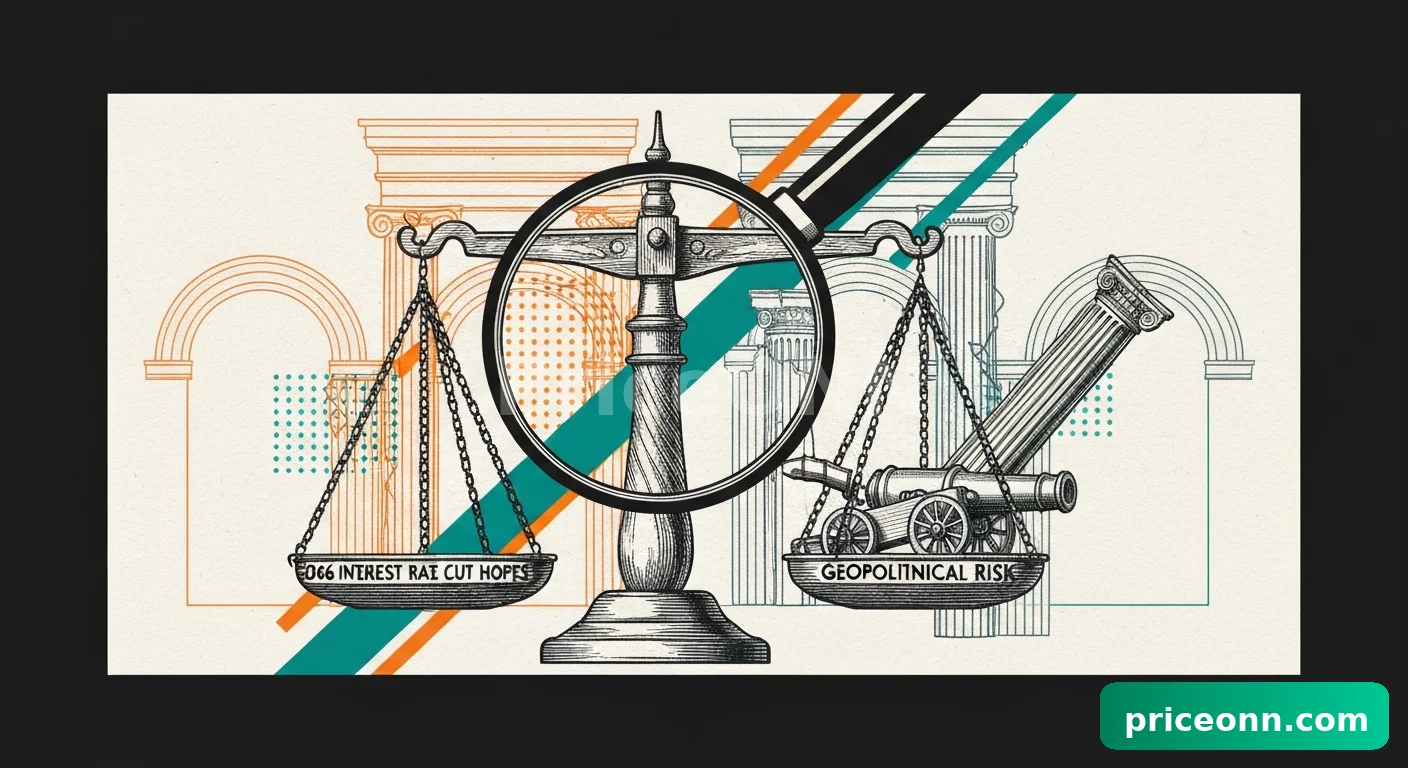
PriceONN