
Is the Fed Trapped? Inflation Fears Mount as Oil Prices Surge
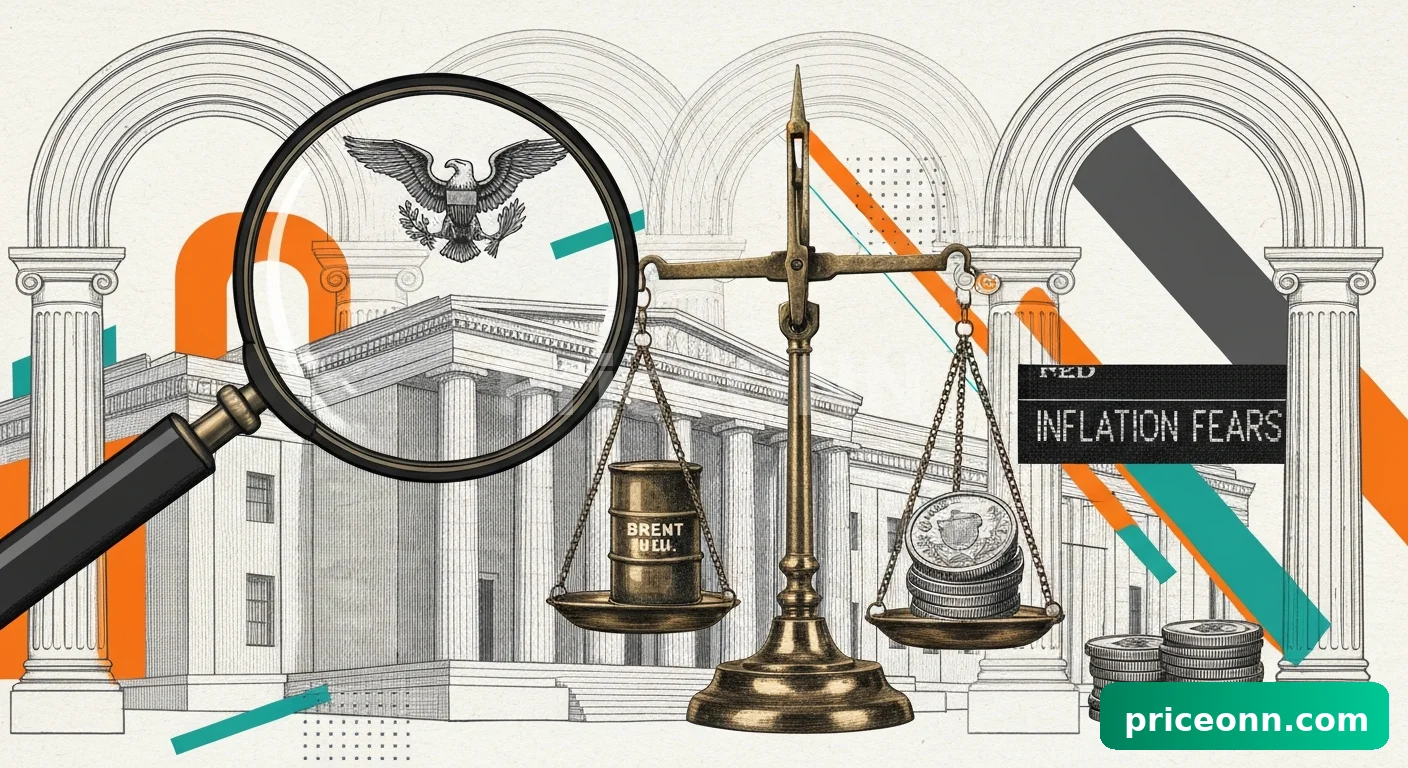
Risk aversion has intensified across global financial landscapes, fueled by a dual threat: escalating energy conflicts and a Federal Reserve increasingly focused on inflation. This potent combination has cast a shadow over market sentiment, with equities experiencing a notable downturn. The initial trigger for the selloff in US equities was a sharp spike in oil prices, but a deeper dive reveals markets reacting to the Fed’s message that inflation risks are heightened due to ongoing geopolitical uncertainties.
Market Context
The current geopolitical landscape has entered a more perilous phase, with critical energy infrastructure becoming a target for both sides in the escalating Iran conflict. Reports indicate that Israel’s actions have been met with retaliatory strikes targeting facilities in Saudi Arabia, the UAE, and Qatar, including the vital Ras Laffan LNG hub. This strategic shift towards disrupting core supply nodes signals a structural increase in the energy risk premium. The implication is that elevated oil prices are likely to persist, even if direct conflict de-escalates, as Iran aims to constrain global supply regardless of its own export capacity. Crude oil futures have seen significant upward pressure, with benchmarks like Brent crude testing higher psychological levels not seen in recent months.
Analysis & Drivers
Adding to market anxieties, the Federal Reserve’s latest monetary policy stance and economic projections have tightened the screws. While interest rates were held steady, the Fed’s upward revision of its inflation forecasts, particularly the 2026 Personal Consumption Expenditures (PCE) price index projection to 2.7%, indicates a belief in a more persistent inflationary environment than previously anticipated. Fed Chair Jerome Powell emphasized this point, stating that progress on inflation would continue but at a slower pace than hoped. Crucially, he underscored that rate cuts are contingent on seeing further disinflationary progress, asserting, “if we don’t see that progress, then you won’t see the rate cut.” This hawkish undertone suggests the Fed is unwilling to ease policy amidst rising inflation risks. Furthermore, the FOMC statement acknowledged increased uncertainty, noting that the unemployment rate “has been little changed,” a subtle shift from previous language suggesting stabilization. While the Fed maintains its view of “solid” growth, the underlying message is one of caution, with participants flagging higher uncertainty and risks skewed towards higher inflation and unemployment.
Trader Implications
For forex traders, the implications are significant. The prospect of higher-for-longer interest rates in the United States, coupled with persistent inflation, could bolster the US Dollar against its peers. Currencies sensitive to risk sentiment may face headwinds as global uncertainty persists. Key levels to watch include the 1.0800 level for EUR/USD, which could see increased selling pressure if risk aversion continues. Conversely, USD/JPY might find support as the interest rate differential widens in favor of the dollar. Traders should monitor energy price movements closely, as any further supply disruptions could exacerbate inflation concerns and reinforce the Fed’s hawkish stance. Key economic data releases, particularly inflation and employment figures from the US, will be critical in shaping short-term market direction. The Fed’s own projections suggest only one 25 basis point rate cut in 2026, a stark contrast to earlier market expectations of multiple cuts.
Outlook
The path ahead appears fraught with volatility. The intersection of geopolitical instability in energy markets and a central bank prioritizing inflation control creates a challenging environment. Traders should remain vigilant for signs of further escalation in energy conflicts or shifts in Fed communication. The market’s pricing of future rate cuts may need further recalibration if inflation proves more stubborn than anticipated. The outlook suggests a period where the US Dollar could maintain its strength, and risk assets may face ongoing pressure, especially if oil prices continue their upward trajectory.
Frequently Asked Questions
What is the Federal Reserve's current stance on interest rates and inflation?
The Federal Reserve has maintained its benchmark interest rate unchanged but has revised its inflation forecasts upward, projecting PCE inflation to reach 2.7% in 2026. Officials emphasize that rate cuts are contingent on seeing sustained progress in reducing inflation.
How are escalating energy conflicts impacting oil prices and market sentiment?
Escalating conflicts targeting energy infrastructure have driven oil prices higher, increasing the energy risk premium. This has contributed to a deepening risk aversion in global markets and is a key factor in the Fed's hawkish outlook.
What are the key implications for forex traders in the current market environment?
Forex traders should anticipate potential US Dollar strength due to higher-for-longer interest rate expectations and persistent inflation. Key currency pairs like EUR/USD may face downward pressure, with the 1.0800 support level being a critical watchpoint.
Track markets in real-time
Empower your investment decisions with AI-powered analysis, technical indicators and real-time price data.
Join Our Telegram Channel
Get breaking market news, AI analysis and trading signals delivered instantly to your Telegram.
Join Channel
PriceONN