Iran Strikes Saudi Red Sea Refinery as Oil Threats Escalate
Red Sea Refinery Under Fire
Early Thursday morning, a significant energy asset in Saudi Arabia faced an aerial bombardment. The Samref refinery, situated in the Red Sea port city of Yanbu, was struck, according to an industry insider. While initial reports indicate that operations sustained only minor disruptions, the incident marks a concerning escalation in regional tensions. This event appears to be Iran’s direct response to earlier threats targeting energy infrastructure throughout the Persian Gulf region.
The Samref facility is a crucial joint venture, bringing together the formidable resources of Saudi oil giant Aramco and the global reach of U.S. supermajor ExxonMobil. Its daily capacity stands at approximately 400,000 barrels of crude oil, which is meticulously refined into a diverse product slate. This includes vital fuels such as gasoline, jet fuel, and diesel, alongside marine fuel oil, propane, and sulfur. Notably, gasoline constitutes 35% of its output, with heating oil and diesel making up another 30%. Plans were recently solidified to expand this complex into an integrated petrochemical hub, underscoring its strategic importance.
Escalating Threats and Market Reactions
The refinery’s strategic position on the Red Sea apparently places it squarely in the crosshairs of Iran’s Islamic Revolutionary Guard Corps. On the same day as the strike, official warnings were reportedly issued, advising evacuations from energy facilities in Saudi Arabia, the United Arab Emirates, and Qatar, specifically naming the Samref refinery.
In the immediate aftermath, crude oil benchmarks experienced a noticeable uptick. Brent Crude prices saw an early surge on Thursday as Iran’s aggressive actions against regional energy infrastructure intensified, coupled with explicit threats against Gulf oil and gas producers. This volatile reaction highlights the market’s sensitivity to any perceived threat to global oil supply routes.
Meanwhile, Saudi Aramco has reportedly resumed activities at the Kingdom's largest refinery, Ras Tanura, located on the Gulf coast. This facility had been temporarily idled as a precautionary measure following an earlier drone strike in the vicinity. However, the attack on the Yanbu complex presents a distinct challenge. Yanbu is currently the sole operational export gateway for Saudi crude oil, particularly the Saudi Arab Light grade, especially as the Strait of Hormuz faces de facto operational limitations. The Kingdom is actively working to maximize loadings from Yanbu, aiming for a record 3.8 million barrels per day this month.
A point of critical attention for these export plans is the Bab el-Mandeb Strait. While Iran-aligned Houthi forces previously targeted vessels in this waterway two years ago, their involvement in recent conflicts has been notably absent, creating an uncertain geopolitical landscape for this vital shipping lane.
Market Ripple Effects
The direct strike on the Samref refinery, coupled with Iran’s broader threats, injects a significant dose of geopolitical risk premium into global energy markets. While the refinery itself experienced minimal damage, the message is clear: energy infrastructure is now a direct target. This raises the stakes considerably for oil producers in the region and for the stability of global oil prices.
For traders and investors, several key implications emerge. Firstly, the potential disruption to Saudi crude exports via the Red Sea is a paramount concern. With the Strait of Hormuz facing operational uncertainties, Yanbu’s role as an alternative export route becomes even more critical. Any threat to this port or the Bab el-Mandeb Strait could lead to substantial price volatility. Secondly, the escalation signals a heightened risk of further attacks, potentially impacting other producers in the UAE and Qatar, as Iran’s warnings suggested.
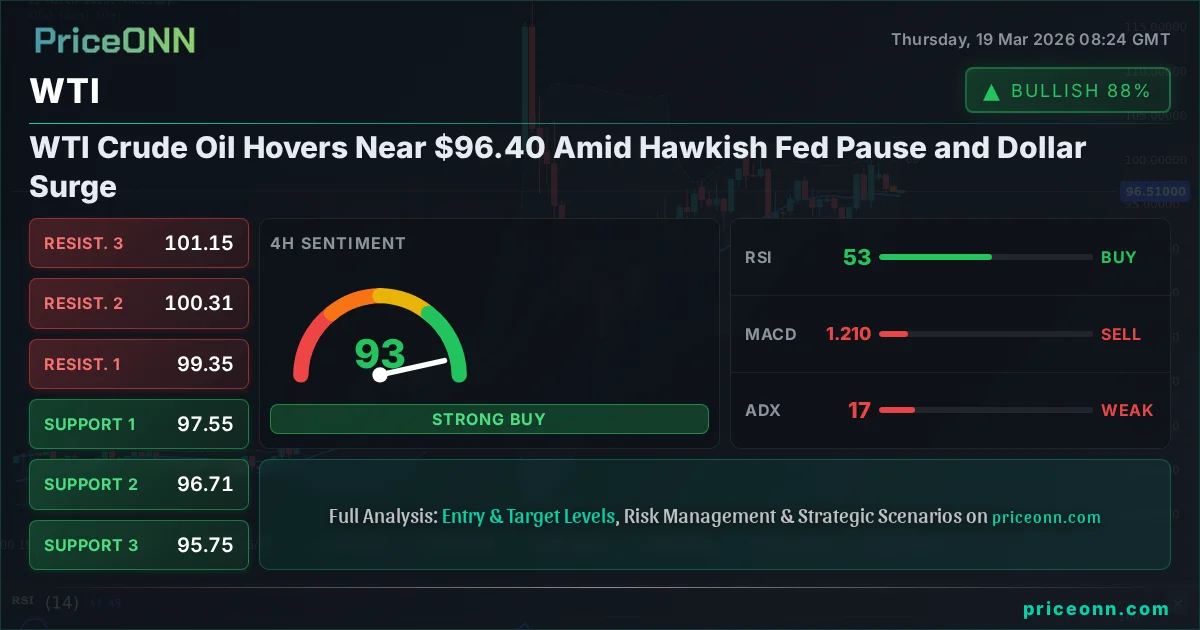
This situation directly impacts several key markets. Brent Crude and WTI Crude futures are likely to remain sensitive to headlines concerning the Middle East. The US Dollar Index (DXY) could see strength if geopolitical tensions escalate, driving demand for safe-haven assets. Furthermore, commodity-linked currencies such as the Canadian Dollar (CAD) may face pressure if oil supply fears intensify. Energy sector equities could also experience increased volatility, reacting to both supply concerns and potential retaliatory actions.
Traders should closely monitor official statements from Saudi Arabia and Iran, as well as shipping traffic data through the Bab el-Mandeb Strait. Key resistance levels in crude oil futures should be watched for potential breakouts driven by supply disruption fears. The risk of wider conflict remains the most significant wildcard, capable of fundamentally altering the energy landscape.
Track markets in real-time
Empower your investment decisions with AI-powered analysis, technical indicators and real-time price data.
Join Our Telegram Channel
Get breaking market news, AI analysis and trading signals delivered instantly to your Telegram.
Join Channel