Oil Prices Could Hit $150 If War Continues Through End of March
Global Energy Markets Brace for Volatility
The specter of $150 oil looms large as a protracted conflict in the Middle East intensifies, with Kpler forecasting this alarming price point if hostilities persist through the end of March. The situation has taken a critical turn as Iran ramps up its assaults on energy assets within the region, triggering widespread concern among market participants.
This isn't merely a localized disruption; it represents a profound supply shock reverberating across the global economy. Amena Bakr, Kpler's Head of Middle East and OPEC+ Insights, articulated the gravity of the situation, suggesting that current market conditions are a prelude to a significant price adjustment. She indicated that despite the escalating tensions, the OPEC+ alliance is expected to maintain its current structure, drawing parallels to historical instances where the group weathered internal conflicts among its member states.
Escalating Attacks Cripple Supply Lines
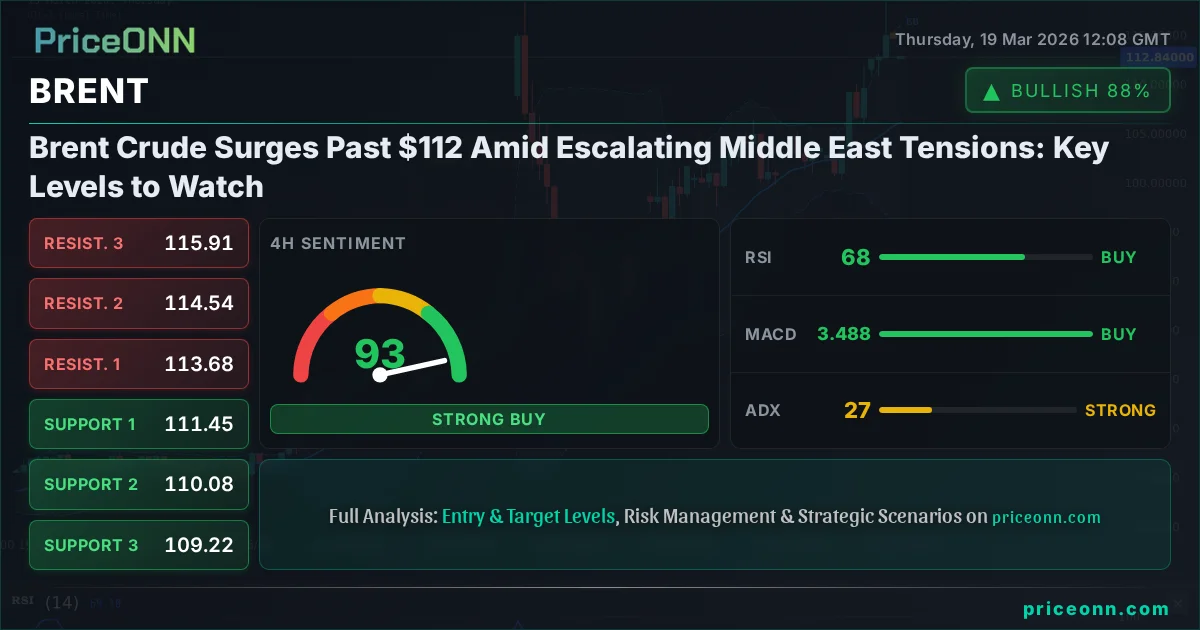
Early Thursday saw Brent crude prices experience a sharp 6% climb, breaching the $114 per barrel mark. This surge directly correlates with ongoing Iranian assaults on key energy facilities in the Middle East. Compounding the issue, the vital Strait of Hormuz, a critical chokepoint for global oil transit, has been effectively closed to all vessels except those carrying Iranian cargo.
The aggressive actions escalated following a significant strike on Iran’s massive South Pars gas field. In retaliation, Iran has reportedly targeted energy infrastructure in both Qatar and Saudi Arabia. Qatar's Ras Laffan industrial complex, recognized as the world's premier liquefied natural gas (LNG) hub, sustained extensive damage. QatarEnergy confirmed the operational halt at the facility, which has been offline since the conflict's onset.
Further reports indicate that the Samref refinery, situated in Yanbu on Saudi Arabia's Red Sea coastline, may have also been impacted, though the damage is described as minor. These coordinated strikes underscore the volatile nature of the current geopolitical landscape.
Why This Matters Now
The ramifications of these attacks extend far beyond immediate price fluctuations. ING’s commodity strategists, Warren Patterson and Ewa Manthey, highlighted that this escalation “raises fears of a more prolonged disruption to Persian Gulf energy supplies.” The concerted efforts by the U.S. Administration to stabilize oil prices are being overshadowed by these retaliatory actions, which the strategists note “point to additional upside for prices.”
Discussions among analysts about the possibility of oil reaching $200 per barrel have been ongoing for over a week, predating Iran's explicit warnings amid the escalating Middle Eastern conflict. The current trajectory suggests that supply constraints, amplified by geopolitical instability, are becoming the dominant narrative in energy markets.
The market is now grappling with the reality of a significant supply shock, impacting not just crude oil but also related energy commodities. The closure of critical shipping lanes and damage to production facilities create a palpable sense of urgency. Traders and investors are closely monitoring geopolitical developments, as any further escalation could trigger even more dramatic price movements. The interplay between escalating conflict, supply disruptions, and potential policy responses from major energy producers will dictate the near-term outlook for oil prices.
Considering the interconnectedness of global energy markets, the ripple effects are likely to spread. Disruptions in the Middle East have historically influenced global inflation expectations and influenced central bank policy decisions. The current situation presents a complex challenge for policymakers aiming to balance economic stability with geopolitical realities. The ability of the market to absorb such shocks remains a key question for the coming weeks and months.
Track markets in real-time
Empower your investment decisions with AI-powered analysis, technical indicators and real-time price data.
Join Our Telegram Channel
Get breaking market news, AI analysis and trading signals delivered instantly to your Telegram.
Join Channel