
Middle East Tensions Spark Oil Stockpile Release Discussions as India Navigates Energy Transition
Global energy markets are on edge as escalating conflicts in the Middle East prompt urgent discussions about potential releases from strategic oil stockpiles. The International Energy Agency (IEA) Chief, Fatih Birol, indicated on Monday that governments worldwide are engaged in dialogues regarding further coordinated actions to ensure supply stability. This development highlights the critical role the Middle East plays in global oil flows and the readiness of international bodies to intervene in the face of severe supply disruption risks.
Market Context
The specter of geopolitical instability in a key energy-producing region is casting a long shadow over oil prices and global energy security. While specific details of the IEA's discussions remain confidential, the underlying message suggests a proactive approach to mitigating potential shocks. This comes at a time when the global economy is still navigating complex recovery paths, making stable energy prices crucial for sustained growth. The benchmark West Texas Intermediate (WTI) crude oil, known for its ease of refining due to its light and sweet characteristics, is particularly sensitive to such supply-side jitters. Its pricing is heavily influenced by the delicate balance of global supply and demand, with geopolitical events in major producing regions often serving as significant catalysts for price volatility.
Analysis & Drivers
The primary driver behind the IEA's discussions is the severe situation unfolding in the Middle East, a region critical for maintaining global oil supply. Any significant disruption here could rapidly tighten the market. Simultaneously, on the demand side, India presents a compelling case study in energy transition challenges. As the world's most populous nation with a rapidly expanding economy, projected to grow at approximately 7.5 percent annually, India's energy needs are soaring. Its current energy mix is heavily reliant on coal, which accounts for roughly three-quarters of its energy consumption, despite a significant push towards renewable energy. India's solar capacity has seen remarkable growth, expanding from 4 gigawatts to 140 gigawatts over the last decade, and the country is targeting 500 gigawatts of renewable energy capacity by 2030. However, the sheer scale of its energy demand, driven by economic expansion, means coal remains indispensable for now. The cost of this transition is also substantial, with estimates suggesting a need for approximately $900 billion over the next thirty years for a just shift away from coal.
Trader Implications
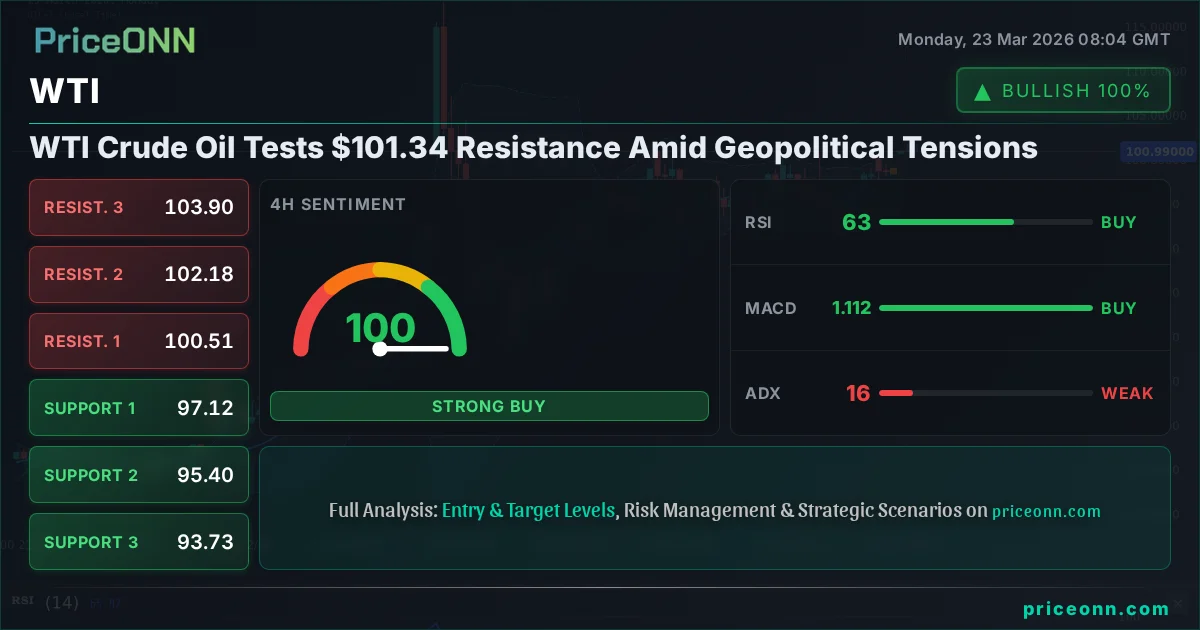
Traders should closely monitor developments in the Middle East for any signs of actual supply disruptions, which could trigger a sharp upward movement in crude oil prices. Key resistance levels for WTI will be critical to watch, with a sustained break above $85 per barrel potentially signaling further upside. Conversely, any de-escalation or clear diplomatic resolutions could lead to price retracements. For those focused on energy transition plays, India's energy policy and its progress towards renewable targets remain a significant long-term theme. However, the immediate focus for oil traders should be on geopolitical risk premiums and inventory data. Traders looking to hedge against volatility might consider options strategies or focus on energy stocks that benefit from higher crude prices. The divergence between immediate supply concerns and long-term demand-side transitions offers complex trading opportunities.
Outlook
The immediate outlook for oil prices remains heavily dependent on the geopolitical situation in the Middle East. Should tensions ease, prices may see some moderation. However, the IEA's preparedness to release strategic reserves suggests a baseline level of concern that could support prices. For India, the path ahead is a balancing act between fueling economic growth with existing energy sources and investing heavily in renewables. The success of its 500 GW renewable target by 2030 will be a crucial indicator of its long-term energy security and its contribution to global climate goals. Traders should remain vigilant, as market sentiment can shift rapidly based on news flow from both regions.
Frequently Asked Questions
What is the IEA's immediate concern regarding oil supply?
The IEA's immediate concern stems from escalating conflicts in the Middle East, a critical region for global oil production. They are discussing potential releases from strategic oil stockpiles to mitigate severe supply shocks, indicating a readiness to act if necessary.
How is India balancing its energy needs and climate goals?
India is balancing its rapid economic growth and surging energy demand, which is currently met by about 75% coal, with an ambitious expansion of renewables, particularly solar power, aiming for 500 GW by 2030. This transition requires an estimated $900 billion investment over 30 years.
What are the key price levels to watch for WTI crude oil?
Traders should monitor WTI crude oil for potential upside if it can sustain a break above the $85 per barrel resistance level, driven by geopolitical tensions. Conversely, de-escalation could lead to price retracements.
Track markets in real-time
Empower your investment decisions with AI-powered analysis, technical indicators and real-time price data.
Join Our Telegram Channel
Get breaking market news, AI analysis and trading signals delivered instantly to your Telegram.
Join Channel
PriceONN