Russian Tanker Set to Arrive in Cuba Despite U.S. Blockade
Voyage Through Blockade Waters
A substantial shipment of Russian fuel is on a collision course with U.S. policy, poised to dock in Cuba. Whispers from Washington suggest the United States is contemplating a significant policy shift, potentially easing its long-standing blockade to permit the vessel's arrival. This delicate diplomatic dance unfolds as the tanker, identified as the Anatoly Kolodkin, has already crossed into Cuba's exclusive economic zone, according to earlier reports.
Just weeks prior, Washington had issued a firm declaration: Russian tankers were explicitly prohibited from supplying oil to the island nation. The Trump administration's strategy at the time aimed to exert pressure on the Cuban regime, seeking a change in leadership by curtailing essential energy supplies. The move was part of a broader effort to isolate the government through economic means.
Economic Pressure and Diplomatic Maneuvers
The U.S. president's executive order, signed in late January, declared a national emergency. This action paved the way for imposing tariffs on goods from nations that directly or indirectly supplied oil to Cuba. The administration cited the protection of U.S. national security and foreign policy interests as the primary drivers behind this aggressive stance against the Cuban regime's actions.
This blockade has had a crippling effect, leading to severe fuel shortages across Cuba. The island's primary oil supplier, Venezuela, had its oil industry significantly impacted, effectively cutting off a critical lifeline. Mexico, while initially signaling support for continued fuel provisions, ultimately faltered, likely deterred by the looming threat of U.S. tariff penalties. In this challenging environment, Russia has stepped forward, indicating its readiness to supply Cuba with fuel, defying the U.S. blockade and tariff threats.
The Russian embassy in Cuba has characterized the impending delivery as humanitarian aid. The first tanker is expected to arrive this week, carrying an estimated 730,000 barrels of crude oil. In a sign of ongoing high-level discussions, Cuban government officials have reportedly been in contact with U.S. counterparts, reportedly making concessions such as permitting a fuel delivery specifically for the U.S. embassy on the island.
Market Ripple Effects
This unfolding situation presents a complex web of geopolitical and economic considerations. The U.S. administration's willingness to reconsider its blockade, even partially, signals a pragmatic approach to managing international relations amidst energy supply crises. The decision to allow the Russian tanker passage, or the concessions made by Cuba, could set precedents for future diplomatic engagements and trade routes.
The involvement of Russia as a key energy supplier to Cuba, particularly under these contentious circumstances, highlights shifting global alliances and the persistent demand for energy resources, even in the face of significant political pressure. The ultimate outcome of these negotiations will be closely watched by global energy markets and nations with similar geopolitical sensitivities.
Trader Takeaways
The U.S. administration's apparent willingness to negotiate regarding the Russian oil tanker's passage to Cuba introduces a layer of uncertainty into a previously defined geopolitical standoff. For traders, this signals a potential, albeit minor, easing of tensions, but more importantly, it underscores the persistent demand for oil in regions facing supply disruptions. The key takeaway is that energy security often outweighs strict policy enforcement when critical needs are unmet.
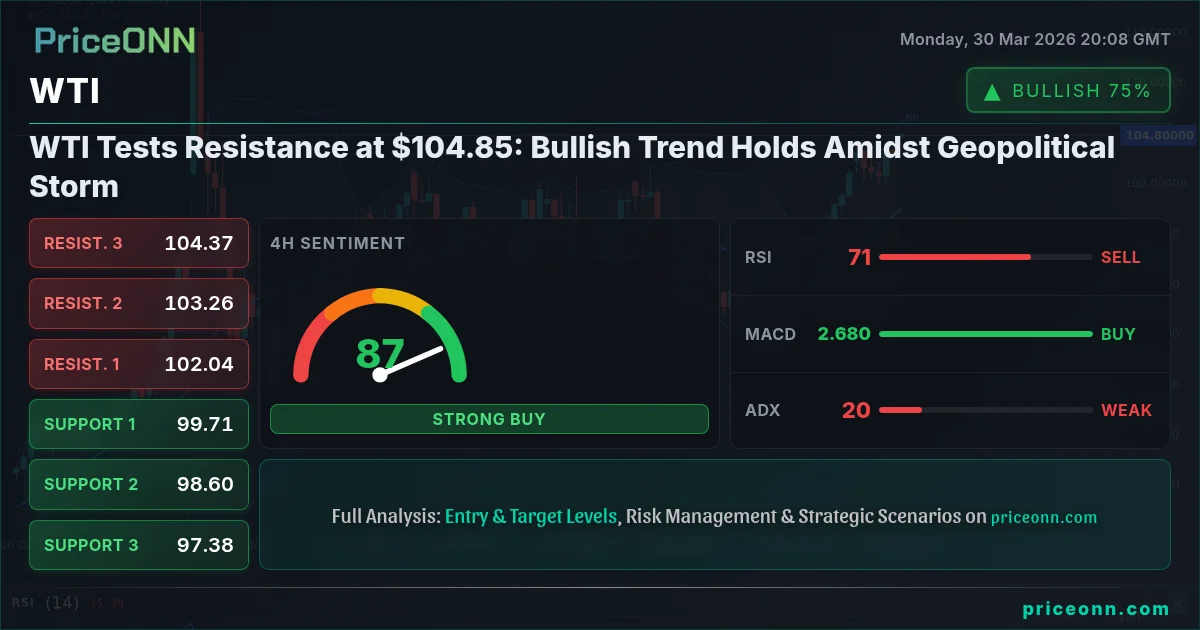
This situation has several interconnected market implications. Firstly, the U.S. Dollar Index (DXY) could see minor fluctuations depending on the broader geopolitical sentiment shift. A perceived de-escalation might slightly weaken the dollar, while continued tensions could bolster its safe-haven appeal. Secondly, energy commodities, particularly crude oil benchmarks like Brent and WTI, will remain sensitive to any news that impacts supply routes or geopolitical stability in oil-producing or consuming regions. While this specific shipment is relatively small in the global context, the underlying principle of circumventing sanctions or blockades is a recurring theme in energy markets.
Thirdly, the situation indirectly affects emerging market currencies and economies that are heavily reliant on imported energy. Countries like those in the Caribbean or Latin America could be observing this dynamic closely for insights into how supply chains can be maintained under duress. Finally, investors in companies with significant exposure to Latin American markets or those involved in energy logistics should monitor these developments for potential shifts in risk premiums or operational challenges. The critical factor to watch is whether this represents a temporary concession or a more fundamental recalibration of U.S. policy towards Cuba and sanctioned energy flows.
Track markets in real-time
Empower your investment decisions with AI-powered analysis, technical indicators and real-time price data.
Join Our Telegram Channel
Get breaking market news, AI analysis and trading signals delivered instantly to your Telegram.
Join Channel