
Ukraine Drone Strikes Threaten Russian Oil Exports, Force Majeure Looms

Russian oil producers are signaling potential force majeure declarations on shipments from vital Baltic Sea ports, warning international buyers of non-delivery amid escalating Ukrainian drone attacks. This significant disruption targets critical export infrastructure, raising concerns about global oil supply stability.
Market Context
A sustained wave of Ukrainian drone strikes has severely impacted Russia's key oil export terminals located on the Baltic Sea. The Ust-Luga terminal, a cornerstone of Russia's energy export network, has halted all oil loadings since Wednesday following repeated drone incursions and a subsequent fire. The Primorsk port, another crucial hub, has also sustained damage and is operating at a reduced capacity. These two facilities collectively handle a substantial portion of Russia's seaborne crude and refined product exports. Despite these operational challenges, market data shows that Russia is currently experiencing a significant increase in oil revenue. Benchmark Brent crude prices have surged past $100 per barrel, with even Russia's Urals blend reportedly fetching similar prices due to a global supply squeeze.
Analysis & Drivers
The primary driver behind the current crisis is the intensified drone campaign by Ukraine, strategically targeting Russia's energy export capacity. Ukrainian officials have indicated that these actions are designed to maintain pressure on Moscow's revenue streams. The disruptions at Ust-Luga and Primorsk directly threaten the flow of Russian oil to international markets, potentially exacerbating existing supply concerns. However, a paradoxical situation has emerged where elevated global oil prices are acting as a financial cushion for Russia. The higher prices have boosted the Kremlin's oil revenues, allowing it to avoid fiscal austerity measures and potentially increase military spending. This suggests that while the physical infrastructure is under attack, the financial impact is being mitigated by the broader market conditions, at least in the short term.
Trader Implications
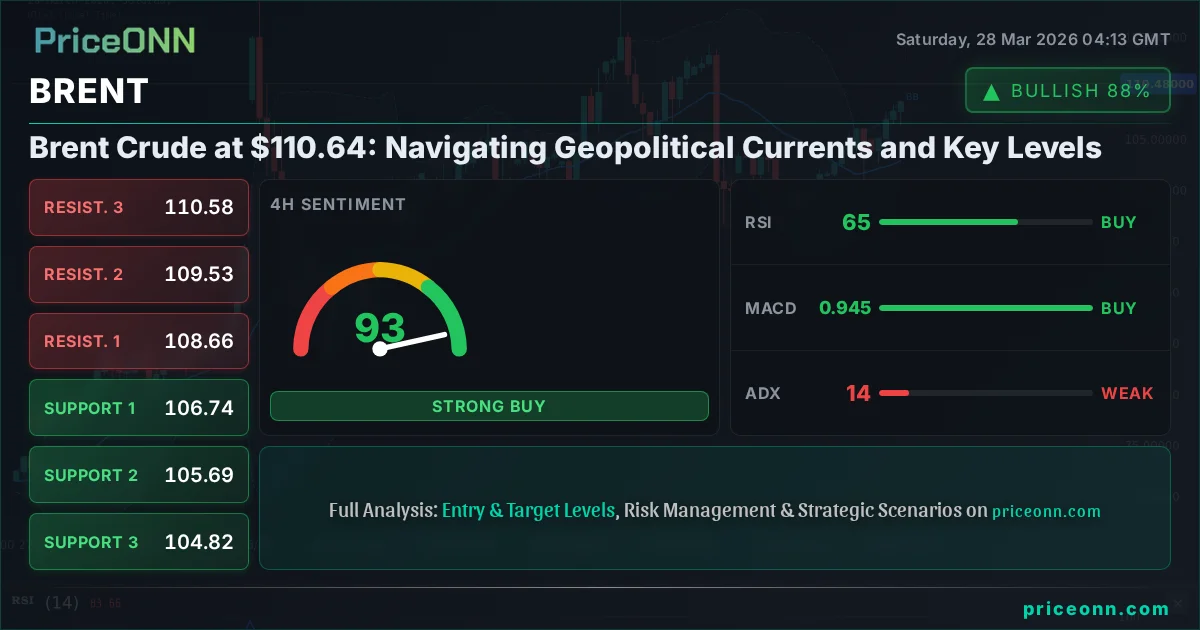
Traders should closely monitor the operational status of the Ust-Luga and Primorsk ports. Any further damage or prolonged shutdown at these facilities could lead to significant price volatility in crude oil markets, particularly for Urals blend and related derivatives. The threat of force majeure declarations introduces a layer of uncertainty, potentially leading to increased premiums on prompt cargoes and a scramble for alternative supply sources. Key levels to watch for Brent crude include immediate resistance around $102 per barrel and support at $98 per barrel. For traders holding positions sensitive to Russian supply, the risk of non-delivery necessitates careful risk management and potentially hedging strategies against supply disruption.
Outlook
The ongoing conflict and Ukraine's persistent targeting of Russian energy infrastructure suggest that supply disruptions are likely to remain a significant factor in the oil market. While high prices offer a temporary financial reprieve for Russia, the sustained damage to export capabilities poses a long-term risk. Traders should anticipate continued volatility as market participants react to news of further attacks or the potential resumption of operations. The market will be keenly watching for any official statements from Russian authorities regarding force majeure and the timeline for repairs at the affected terminals. Upcoming economic data releases and OPEC+ meeting minutes will also play a crucial role in shaping overall market sentiment.
Frequently Asked Questions
What is the immediate impact of the drone strikes on Russian oil exports?
Russian oil exporters are warning of force majeure, meaning potential non-delivery of cargoes from Baltic ports like Ust-Luga and Primorsk. Loadings at Ust-Luga have been halted since Wednesday due to damage and a fire, while Primorsk operates at reduced capacity.
How are high oil prices affecting Russia despite the export disruptions?
Elevated crude oil prices, with Brent above $100 per barrel and Urals fetching similar levels, are significantly boosting Russia's oil revenue. This windfall is currently buffering the financial impact of infrastructure damage and allowing the government to avoid fiscal austerity.
What should traders watch for in the coming days regarding oil prices?
Traders should monitor the status of the Ust-Luga and Primorsk terminals for any updates on repairs or further disruptions. Key price levels for Brent crude are $102 (resistance) and $98 (support). News regarding force majeure declarations or alternative supply availability will be critical.
Track markets in real-time
Empower your investment decisions with AI-powered analysis, technical indicators and real-time price data.
Join Our Telegram Channel
Get breaking market news, AI analysis and trading signals delivered instantly to your Telegram.
Join Channel
PriceONN