
Why Did Gold Plunge 6% and Silver Over 10% Amidst Rising Oil Prices?
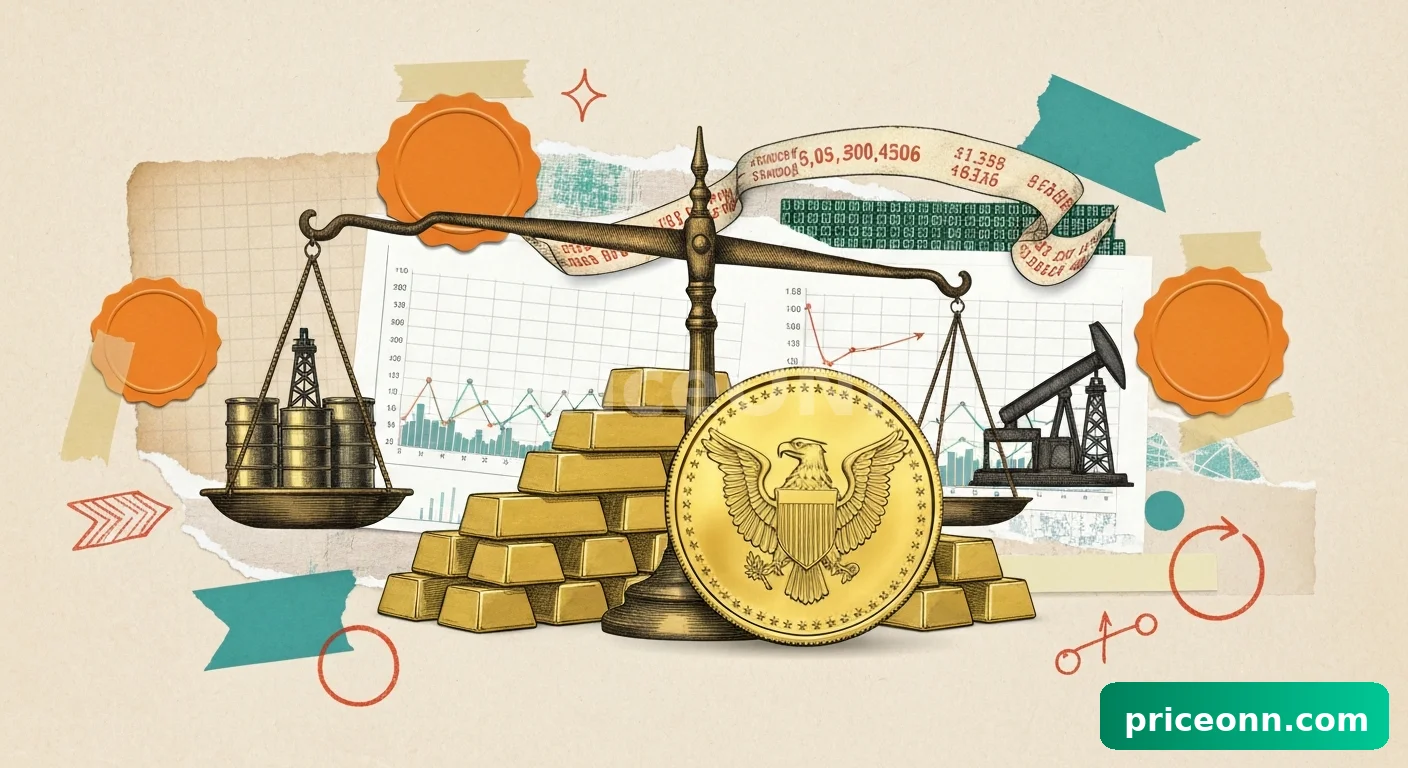
Gold prices experienced a dramatic sell-off, shedding as much as 6% to test the critical $4,500 per ounce level. This sharp decline marks the longest losing streak for the precious metal since 2023, with prices now over $1,000 below their recent record high set less than two months ago. Silver fared even worse, plummeting over 10% to trade below $66 per ounce, a level not seen since late December, retracting over 45% from its January peak.
Market Context
The precious metals complex faced a significant downturn on Thursday, driven by a confluence of factors that have reshaped market sentiment. The primary catalyst was the escalating conflict in the Middle East, which sent crude oil prices soaring. This surge in energy costs has amplified global inflation concerns, directly impacting the outlook for monetary policy. Specifically, the heightened inflation risks have weakened the case for imminent interest rate reductions by the Federal Reserve, a key driver for non-yielding assets like gold and silver. The yellow metal’s slide represents its seventh consecutive session of losses, a stark contrast to its performance earlier in the year. Silver, a more volatile component of the precious metals market, has seen an even more pronounced correction from its January highs.
Analysis & Drivers
The escalating cost of crude and natural gas, directly linked to the ongoing geopolitical tensions, has emerged as the principal driver behind the precious metals’ recent retreat. Higher energy prices invariably translate into increased inflationary pressures across the global economy. This inflationary environment diminishes the attractiveness of assets that do not offer a yield, such as gold and silver. Simultaneously, it complicates the path for central banks looking to ease monetary policy. Just a day prior, the Federal Reserve maintained its benchmark interest rate, explicitly citing the prevailing uncertainty stemming from the geopolitical conflict's potential economic impacts. Fed officials' projections now suggest the possibility of only a single rate cut for the year, with Fed Chair Jerome Powell emphasizing that any such reduction would be contingent on a sustained deceleration in inflation. The market is recalibrating its expectations, moving away from the previously anticipated multiple rate cuts towards a more hawkish stance from the central bank.
Trader Implications
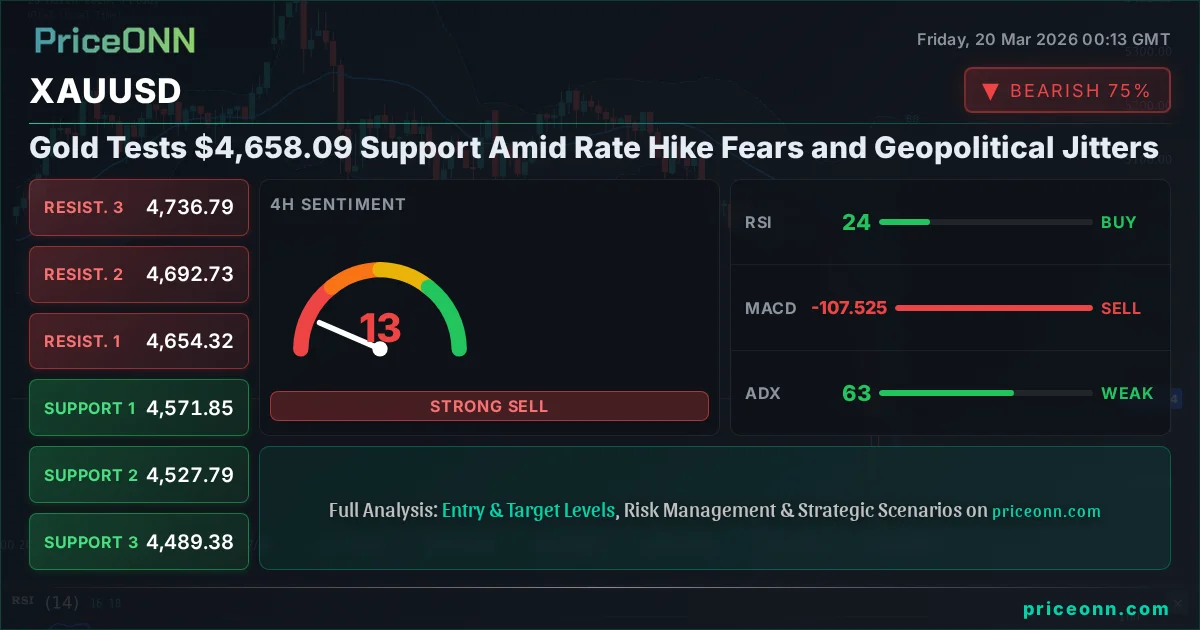
Traders should closely monitor the $4,500 level for gold, which has now become a crucial support zone following this sharp decline. A sustained break below this level could signal further downside potential. For silver, the $66 per ounce mark is a significant psychological and technical level to watch. Any further upward pressure on crude oil prices, or persistent inflation data, will likely continue to weigh on precious metals. Conversely, a de-escalation in geopolitical tensions or signs of cooling inflation could trigger a short-covering rally. The Federal Reserve's upcoming statements and economic data releases will be paramount in determining the short-term direction. Key data points to watch include upcoming inflation reports (CPI, PPI) and manufacturing indices, which will provide clues on the Fed's next move.
Outlook
The immediate outlook for gold and silver remains cautious, with upside potential capped by persistent inflation fears and a less dovish Federal Reserve. While the recent price action has been severe, the underlying inflationary pressures driven by energy markets provide a challenging backdrop. Traders will be looking for confirmation of a sustained downtrend or signs of stabilization around current support levels. Any significant geopolitical de-escalation or a surprising shift in inflation data could rapidly alter market sentiment, but for now, the path of least resistance appears to be downwards, with traders advised to maintain risk management protocols and watch key technical levels.
Frequently Asked Questions
What caused the sharp drop in gold and silver prices?
The plunge was triggered by soaring crude oil prices due to Middle East tensions, which fueled inflation fears. This led markets to anticipate fewer Federal Reserve interest rate cuts, making non-yielding assets like gold and silver less attractive. Gold fell 6% to test $4,500, and silver dropped over 10% to below $66.
What are the key support levels traders should watch?
For gold, the $4,500 per ounce level is a critical support zone to monitor after the recent sharp decline. For silver, the $66 per ounce mark represents a significant psychological and technical level. A break below these levels could indicate further price drops.
What is the short-term outlook for precious metals?
The short-term outlook for gold and silver is cautious, with inflation concerns and a less dovish Federal Reserve acting as headwinds. Traders should watch for stabilization around current support levels or further downside if oil prices remain elevated. Upcoming inflation data and Fed commentary will be crucial indicators.
Track markets in real-time
Empower your investment decisions with AI-powered analysis, technical indicators and real-time price data.
Join Our Telegram Channel
Get breaking market news, AI analysis and trading signals delivered instantly to your Telegram.
Join Channel
PriceONN