
Why Did Gold Plunge 6% and Silver Tumble 10% Amid Middle East Conflict?
Gold prices experienced a dramatic sell-off, shedding approximately 6% of their value to test the critical $4,500 per ounce level on Thursday. This sharp decline marks the longest losing streak for the precious metal since 2023, pushing it over $1,000 below its recent record high set less than two months ago. Silver fared even worse, tumbling over 10% to trade below $66 per ounce, a level not seen since late December, and now stands more than 45% off its January peak.
Market Context
The precipitous drop in precious metals occurred as escalating geopolitical tensions in the Middle East triggered a significant surge in crude oil and natural gas prices. This energy shock has amplified global inflation concerns, directly impacting the investment landscape for non-yielding assets like gold and silver. The market's reaction suggests a swift repricing of risk, as investors move away from safe-haven assets amid fears of sustained inflationary pressures.
Analysis & Drivers
The primary catalyst for this swift decline appears to be the direct correlation between the ongoing conflict and soaring energy costs. Attacks on energy facilities in the Gulf region, specifically involving Iran and its adversaries, have sent shockwaves through oil and gas markets. This surge in energy prices translates directly into broader inflationary pressures across the global economy. For precious metals, higher inflation is typically a bullish signal, but in this specific scenario, the immediate impact of energy shocks appears to be overriding traditional dynamics. Instead, the heightened inflation risk is bolstering the case for central banks, like the Federal Reserve, to maintain higher interest rates for longer. Market data indicates that the Federal Reserve recently maintained its benchmark interest rate, citing prevailing uncertainty and projecting only a single rate cut for the year, contingent on inflation deceleration. The ongoing conflict, now in its third week following significant strikes, has created a complex environment where immediate inflation fears are overshadowing traditional safe-haven demand for gold.
Trader Implications
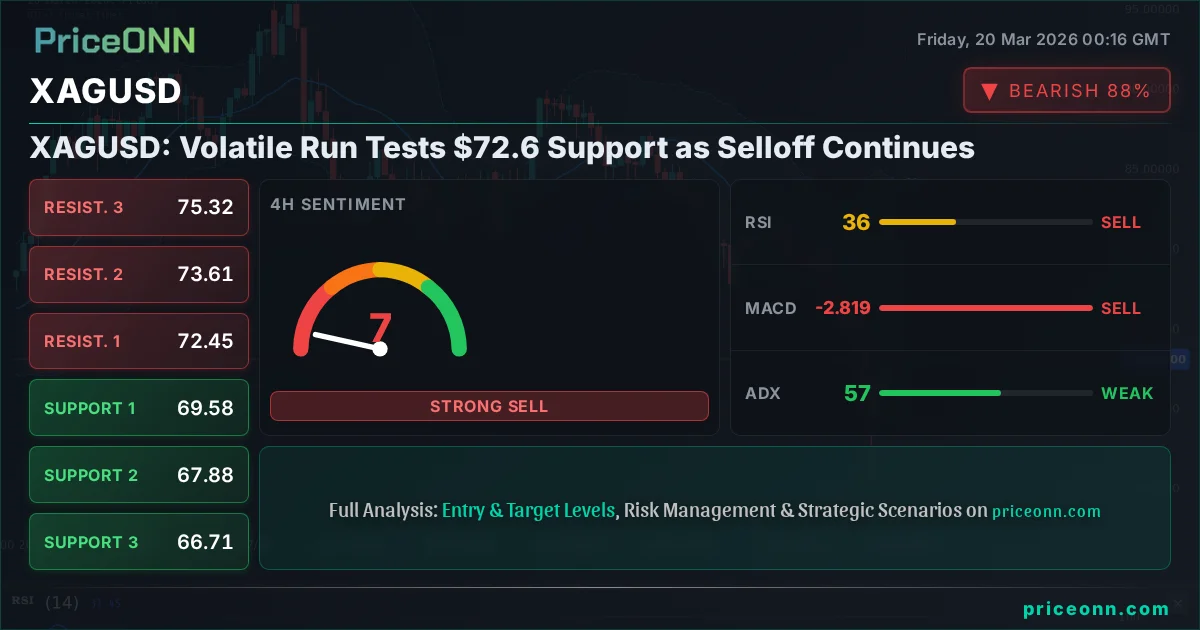
Traders should closely monitor energy market developments as the primary driver for precious metals in the short term. Key price levels to watch for gold include the recently tested $4,500 support. A sustained break below this level could signal further downside, potentially targeting previous lows not seen since late January. For silver, the $66 per ounce mark is now a critical psychological and technical level. A failure to reclaim this level could open the door for a more pronounced correction. Investors should also be attuned to central bank communications regarding inflation outlooks and interest rate policy, as these will heavily influence the longer-term appeal of precious metals. The current market sentiment is one of caution, with the potential for increased volatility as geopolitical events unfold and impact economic forecasts.
Outlook
The immediate outlook for gold and silver remains subdued, heavily dependent on the de-escalation or further intensification of the Middle East conflict and its impact on energy prices. Should energy prices continue to climb, the inflationary fears could persist, keeping pressure on precious metals. Conversely, any signs of diplomatic resolution or a stabilization of energy markets could allow gold and silver to recoup some losses. However, the Federal Reserve's hawkish stance, driven by inflation concerns, presents a significant headwind for non-yielding assets, suggesting that a strong recovery may be challenging without a clear shift in monetary policy or a significant reduction in geopolitical risk.
Frequently Asked Questions
What caused the sharp decline in gold and silver prices?
Gold and silver prices plunged due to escalating Middle East conflict, which sent oil prices soaring and amplified inflation fears. This led investors to move away from precious metals as central banks signaled a commitment to higher interest rates to combat inflation.
What are the key support levels for gold and silver following this sell-off?
Gold tested a critical support level around $4,500 per ounce. For silver, the level to watch is $66 per ounce. A breach of these levels could indicate further price depreciation.
What is the outlook for precious metals given the current economic and geopolitical climate?
The outlook remains cautious, heavily tied to the trajectory of the Middle East conflict and energy prices. Persistent inflation fears and a hawkish Federal Reserve stance present headwinds, making a strong recovery challenging in the near term.
Track markets in real-time
Empower your investment decisions with AI-powered analysis, technical indicators and real-time price data.
Join Our Telegram Channel
Get breaking market news, AI analysis and trading signals delivered instantly to your Telegram.
Join Channel
PriceONN