Why Global Energy Shock Could Leave China Stronger Than Ever
A Geopolitical Storm Brews Over Energy Lifelines
The escalating conflict involving the United States, Israel, and Iran has sent shockwaves through global energy markets. With oil prices surging and volatility becoming the norm, the world watches as a critical chokepoint, the Strait of Hormuz, faces severe disruption. This narrow waterway, responsible for a substantial portion of the world's oil and gas shipments, is now a focal point of geopolitical leverage, with Iran signaling its intent to restrict passage for adversaries.
Iranian Foreign Minister Abbas Araghchi declared the Strait open, but critically, closed to those engaged in what Iran views as aggression. This strategic maneuver has effectively throttled trade, creating significant concern for energy-dependent nations. Despite the tensions, however, over 11.7 million barrels of crude oil have continued to flow to China daily, a testament to existing trade relationships and perhaps Beijing's careful diplomatic positioning.

Unprecedented Reserves Provide a Crucial Shield
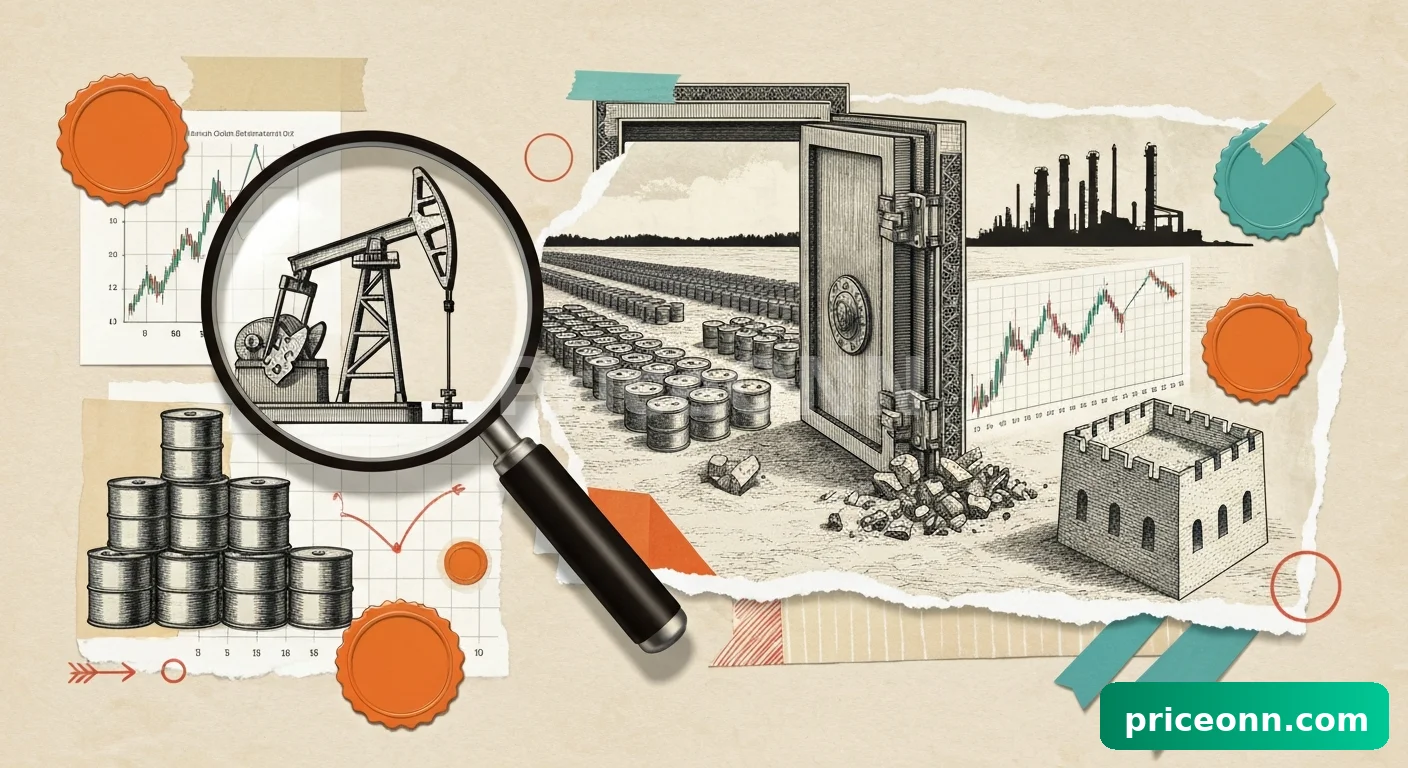
While international markets grapple with supply uncertainties, China appears uniquely positioned to weather the storm. The nation has spent years meticulously building substantial strategic petroleum reserves, amassing an impressive 851 million barrels of crude oil in onshore commercial storage. This colossal stockpile represents not just a buffer against immediate supply shocks but a strategic asset that grants Beijing considerable flexibility in navigating complex economic and energy decisions.
This vast reserve provides China with much needed breathing room. Unlike many nations scrambling for any available barrels at escalating costs, China can afford to make measured, calculated choices. The sheer volume of stored energy ensures that the world's second-largest economy can maintain operations and pursue its economic objectives without immediate panic, even as other global powers face mounting pressure.
Beyond Reserves The 'Supergrid' Advantage
China's resilience in the face of this energy crisis extends beyond its impressive oil stockpiles. A key, often overlooked, factor is the nation's extensive 'supergrid' and its long-term commitment to energy independence through renewable sources. This robust infrastructure is designed for maximum resilience, capable of absorbing significant strain and ensuring stable power distribution.
Massive investments have been channeled into fortifying and expanding China's power grid, making it one of the most advanced and efficient in the world. This foresight is paying dividends now, particularly as global power grids face increasing demands from burgeoning industries and the accelerating adoption of artificial intelligence. Penny Chen, a senior director at Fitch Ratings, noted that China's infrastructure buildout is significantly more efficient than in many other countries, with the power grid being a prime example.
This focus on grid modernization and diversified energy sources, including a strong push into renewables, insulates China from the worst effects of fossil fuel import volatility. What was once a long-term energy security goal for President Xi Jinping has evolved into a critical immediate tool for economic insulation. This strategic advantage in energy production and distribution could solidify China's leading position in the global race for technological and manufacturing dominance.
Reading Between the Lines
The current geopolitical landscape surrounding Iran presents a complex challenge for China, particularly given its reliance on Iran as a significant, albeit diminishing, crude oil supplier. Potential pressure from figures like Donald Trump to join alliances aimed at reopening the Strait of Hormuz adds another layer of diplomatic complexity. However, if China can successfully navigate this period of conflict, insulated by its diversified energy strategy and robust grid infrastructure, it stands to emerge from this global energy shock in a considerably strengthened geopolitical and economic position.
"People out there tweeting that this is destabilizing China may be wishing that were the case, but tweets are not reality. This is a shock China can absorb. It will end up in a stronger position on the other side."
This perspective, attributed to Josh Freed, head of climate and energy at Third Way, highlights the unique capacity of China to absorb external shocks. The nation's proactive, long-term investments in energy security and infrastructure appear to be yielding significant strategic advantages, potentially reshaping global economic power dynamics.
Track markets in real-time
Empower your investment decisions with AI-powered analysis, technical indicators and real-time price data.
Join Our Telegram Channel
Get breaking market news, AI analysis and trading signals delivered instantly to your Telegram.
Join Channel