
Why India is Holding Fuel Prices Steady Amid Soaring Oil Basket Above $155

India's fuel prices have remained static, a notable divergence from the global energy market, as the country's benchmark oil basket climbed to an alarming $156.29 per barrel on March 19. This unusual stability at the pump comes as international crude prices, particularly Brent, have been pushed above $100 per barrel due to escalating geopolitical tensions in the Middle East. Analysts note that this situation places significant pressure on domestic oil refiners, who are currently absorbing the increased cost.
Market Context
The Indian oil basket, a blend of crude grades used for pricing, has outpaced the widely followed Brent crude in a rare market development. This shift is primarily attributed to supply chain disruptions stemming from the Middle East. Even with assurances from Iran regarding passage through the Strait of Hormuz for Indian tankers, broader geopolitical anxieties continue to impact shipping routes and introduce risk premiums. Industry executives report that this sharp upward trend in the Indian oil basket, which has seen a surge of approximately 120%, is being absorbed internally by both state-controlled and private refining entities. This strategy is supported by current ample inventory levels, suggesting that immediate fuel shortages at the retail level are unlikely.
Analysis & Drivers
The primary driver behind this price anomaly is the escalating conflict and associated supply fears in the Middle East, impacting global oil flows. The Indian government's decision to maintain stable domestic fuel prices, while its oil basket price soars, reflects a strategy to shield consumers from immediate inflationary shocks. This policy, however, shifts the financial burden onto refiners. These companies are currently leveraging existing inventory levels to buffer the impact of higher import costs. The Ministry of Petroleum and Natural Gas has emphasized the government's commitment to ensuring supply chain resilience through proactive measures in response to the volatile West Asian situation.
Trader Implications
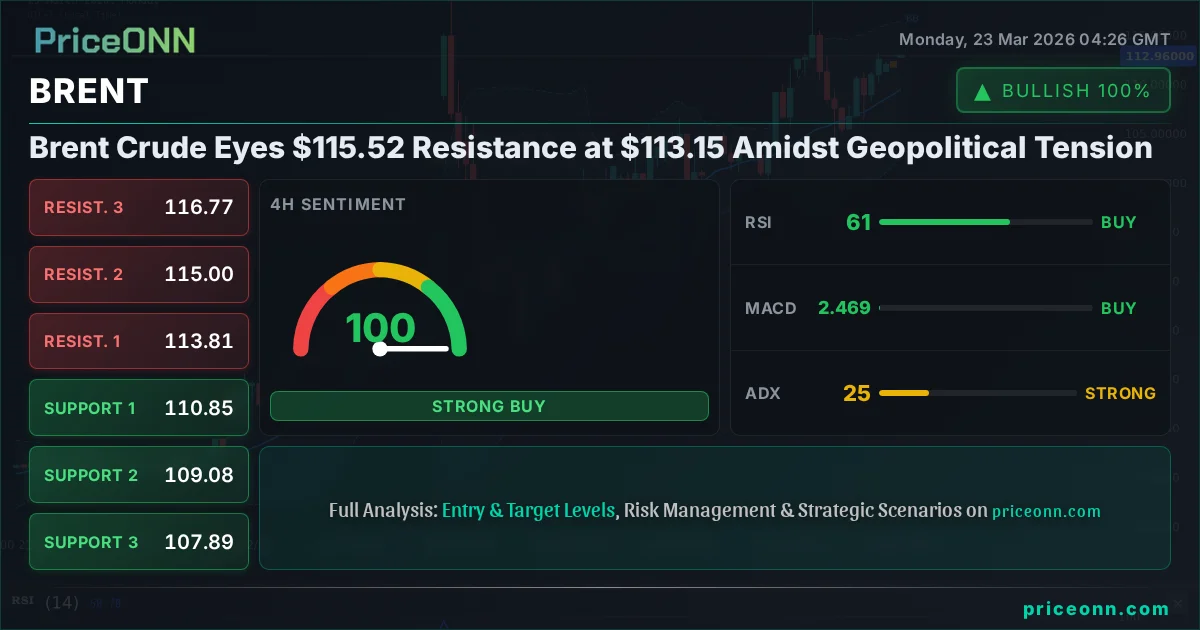
For energy traders, this divergence presents a complex picture. While global crude benchmarks like Brent are trading above $100, the domestic Indian market is artificially insulated. This creates potential arbitrage opportunities or risks depending on the duration of this policy. Traders should closely monitor inventory reports and any official statements from the Indian government regarding potential adjustments to fuel taxes or subsidies. The sustained absorption of costs by refiners could eventually lead to a demand for higher crude prices to break even, or conversely, prompt a policy shift if losses become unsustainable. Key levels to watch include the $155-$160 range for the Indian oil basket and the $100-$105 range for Brent crude.
Outlook
The immediate outlook suggests continued price stability for Indian consumers, contingent on the government's willingness and capacity to continue supporting refiners. However, the underlying pressure from elevated global oil prices and Middle East tensions remains a significant factor. Any escalation of geopolitical events or a material drawdown in strategic reserves could force a reassessment of domestic pricing policies. Traders should remain vigilant for policy shifts and geopolitical developments that could rapidly realign Indian fuel prices with global benchmarks.
Frequently Asked Questions
What is the current price of the Indian oil basket?
As of March 19, the Indian oil basket settled at $156.29 per barrel, a level that has outpaced Brent crude due to Middle East supply disruptions.
Why are Indian fuel prices not increasing despite higher oil costs?
The Indian government has opted to keep domestic gasoline and diesel prices static to protect consumers from immediate price shocks. Refiners are currently absorbing the difference, supported by ample inventory levels.
What is the outlook for Indian fuel prices?
The outlook remains stable in the short term, but is dependent on the government's continued support for refiners and the geopolitical situation in the Middle East. Any significant escalation or policy change could lead to price adjustments.
Track markets in real-time
Empower your investment decisions with AI-powered analysis, technical indicators and real-time price data.
Join Our Telegram Channel
Get breaking market news, AI analysis and trading signals delivered instantly to your Telegram.
Join Channel

PriceONN