
Will the Fed Hold Rates Steady as Inflation Stays Above Target?
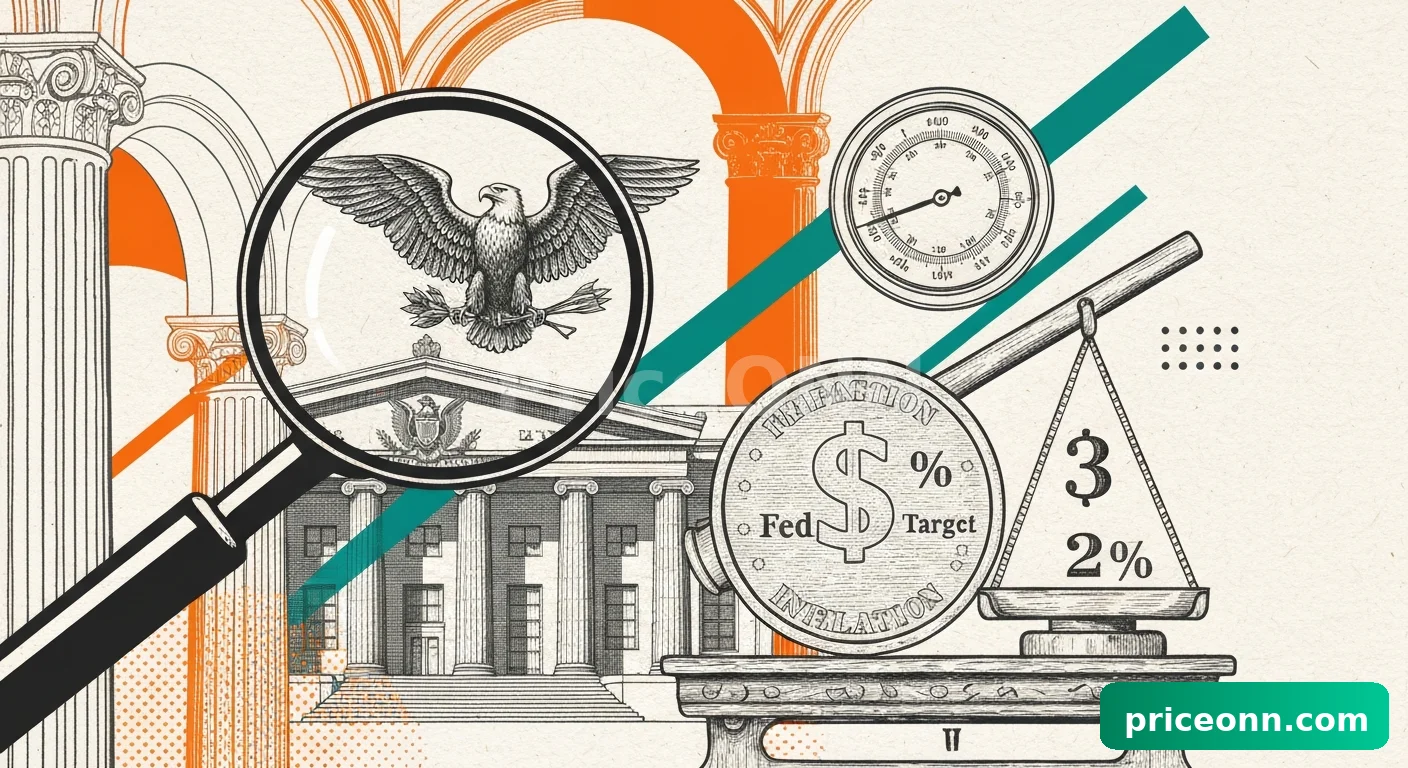
The US Dollar is facing renewed attention as Federal Reserve officials indicate a cautious approach to monetary policy, suggesting interest rates may need to remain elevated for an extended period. This stance comes amid persistent inflation figures that continue to hover above the central bank's desired 2% target.
Market Context
Federal Reserve Governor Michael Barr recently stated that the central bank may need to keep interest rates steady "for some time" before considering further reductions. This cautious outlook is influenced by inflation remaining above the Fed's target and external risks, including ongoing geopolitical tensions in the Middle East. The Federal Reserve's dual mandate of achieving price stability and fostering full employment guides its monetary policy decisions, primarily through the adjustment of interest rates. When inflation is too high, the Fed typically raises rates to increase borrowing costs, which tends to strengthen the US Dollar by attracting international investment. Conversely, lower inflation or high unemployment can lead to rate cuts, weakening the dollar. The Federal Open Market Committee (FOMC) convenes eight times annually to assess economic conditions and set policy.
Analysis & Drivers
The primary driver behind the Fed's hawkish lean is the persistent inflation data. Despite previous rate hikes, core inflation metrics have shown resilience, suggesting that price pressures are not abating as quickly as anticipated. Analysts note that while the labor market has shown some signs of cooling, it remains robust enough not to necessitate immediate rate cuts. Furthermore, global uncertainties, such as the conflict in the Middle East, add another layer of complexity, potentially impacting energy prices and supply chains, thereby influencing inflation dynamics. The Fed's commitment to its 2% inflation target remains paramount, and officials are keen to avoid premature easing that could reignite price pressures.
Trader Implications
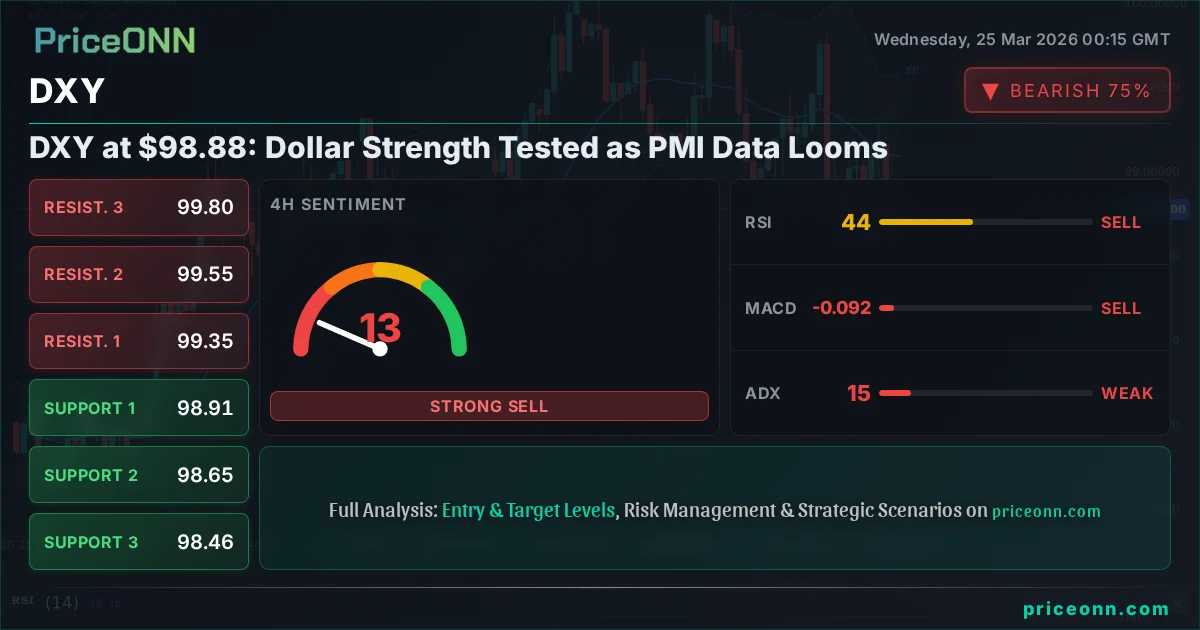
For forex traders, the Fed's signaling of a prolonged 'higher for longer' interest rate environment is significant. This suggests continued support for the US Dollar against currencies where central banks may be adopting a more dovish stance or facing different domestic economic challenges. Traders should monitor upcoming US inflation data, such as the Consumer Price Index (CPI) and Personal Consumption Expenditures (PCE) price index, closely. Key levels to watch for the Dollar Index (DXY) include maintaining support above the 104.00 level. Conversely, any signs of unexpected economic weakness or a sharper-than-anticipated decline in inflation could trigger a reassessment, potentially leading to dollar weakness. The market will also be scrutinizing any forward guidance from Fed officials in their public appearances and meeting minutes for clues on the timing and pace of potential future rate cuts.
Outlook
The outlook suggests that the US Dollar could remain firm in the near to medium term, supported by higher interest rate differentials and safe-haven demand amid global uncertainties. However, the path forward is data-dependent. A sustained downtrend in inflation below the 3% mark and clear signs of economic deceleration would be necessary catalysts for the Fed to pivot towards rate cuts. Until then, the 'higher for longer' narrative is likely to dominate, providing a supportive backdrop for the greenback. Traders should remain vigilant for shifts in market sentiment and be prepared for potential volatility around key economic releases and central bank commentary.
Frequently Asked Questions
What is the Federal Reserve's inflation target?
The Federal Reserve targets an inflation rate of 2%. Current inflation figures remain above this target, prompting officials to signal a cautious approach to monetary policy and keeping interest rates steady.
How does the Fed's interest rate policy affect the US Dollar?
When the Fed keeps interest rates high or raises them, it makes US dollar-denominated assets more attractive to investors seeking higher yields, thus increasing demand for the USD. Conversely, lower rates can weaken the dollar. Currently, the 'higher for longer' stance supports the dollar.
What key data should traders watch for clues on Fed policy?
Traders should closely monitor US inflation reports, such as the Consumer Price Index (CPI) and Personal Consumption Expenditures (PCE) price index. Additionally, employment figures and statements from Fed officials provide crucial insights into future monetary policy direction.
Track markets in real-time
Empower your investment decisions with AI-powered analysis, technical indicators and real-time price data.
Join Our Telegram Channel
Get breaking market news, AI analysis and trading signals delivered instantly to your Telegram.
Join Channel
PriceONN