Fed’s Barr: Rates may need to be on hold for some time given above target inflation
Inflation's Stubborn Grip Prompts Caution on Rate Cuts
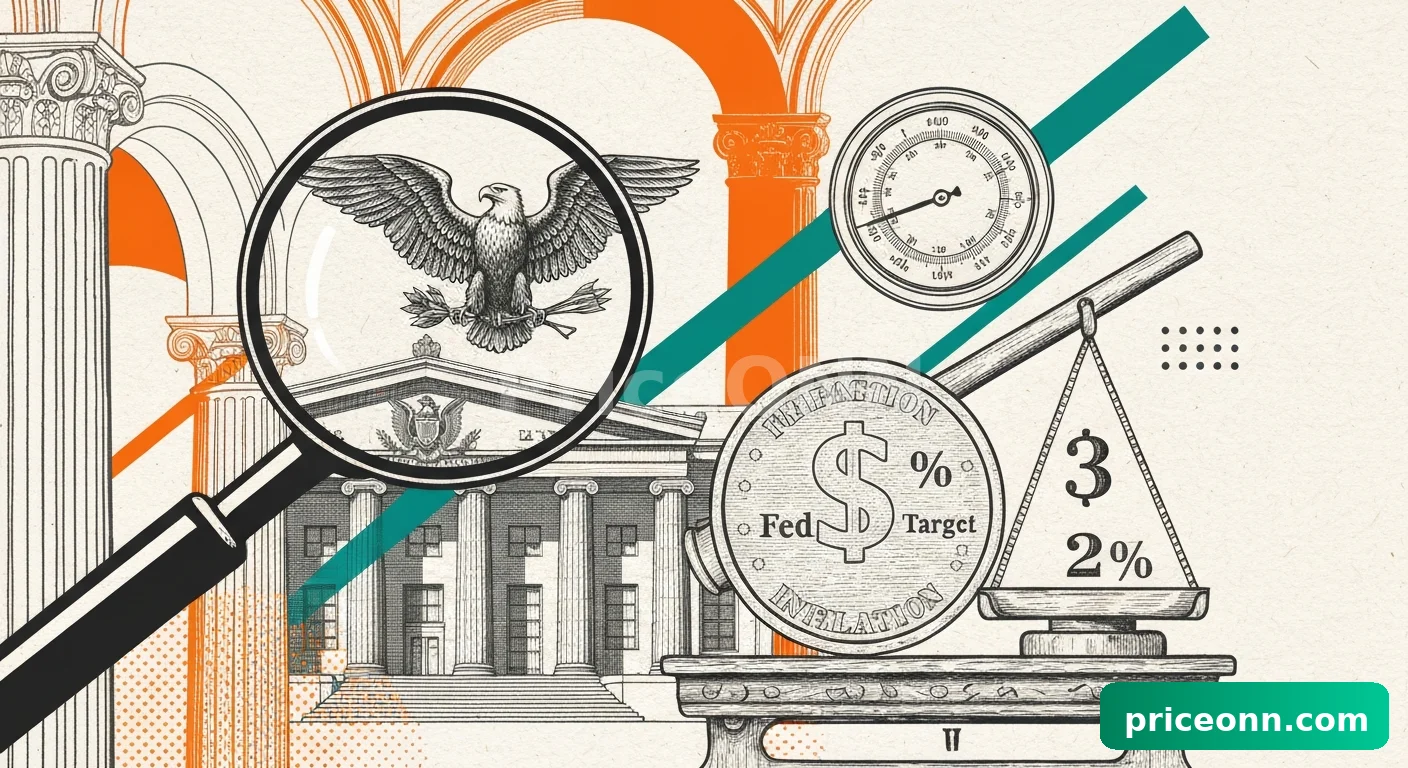
The path forward for US monetary policy is becoming increasingly clear, with Federal Reserve Governor Michael Barr suggesting that a prolonged period of elevated interest rates is likely necessary. This stance stems from the central bank's ongoing struggle to bring inflation fully under control, with current price pressures still lingering above the desired 2% target. The complex global landscape, particularly the heightened risks stemming from the Middle East conflict, adds another layer of uncertainty that policymakers are carefully weighing.
The Federal Reserve operates with a dual mandate: ensuring stable prices and promoting maximum employment. Its primary mechanism for achieving these objectives involves strategic adjustments to the benchmark interest rate. When inflation accelerates beyond the 2% threshold, the Fed typically tightens monetary conditions by raising rates. This action increases the cost of borrowing across the economy, which can cool demand and, in turn, dampen inflationary pressures. Consequently, higher US interest rates often attract international capital, bolstering the value of the US Dollar (USD).
Conversely, should inflation dip below the target or if the labor market shows significant weakness, the Fed possesses the flexibility to lower interest rates. Such a move aims to stimulate economic activity by making borrowing cheaper, potentially leading to a depreciation of the Greenback. These critical decisions are deliberated during the eight scheduled Federal Open Market Committee (FOMC) meetings held annually. The FOMC comprises twelve key officials, including the seven members of the Board of Governors and the President of the New York Fed, alongside four rotating regional Reserve Bank presidents, tasked with assessing economic data and charting the course of monetary policy.
In extraordinary economic circumstances, the Federal Reserve may deploy unconventional tools such as Quantitative Easing (QE). This policy involves a substantial expansion of credit within the financial system, typically reserved for periods of severe economic distress or prolonged deflationary pressures. The Fed employed QE extensively following the 2008 Great Financial Crisis. The mechanism involves the central bank injecting liquidity by purchasing high-quality bonds from financial institutions, which generally exerts downward pressure on the US Dollar. The inverse of this strategy, Quantitative Tightening (QT), involves reducing the Fed's balance sheet by allowing maturing bonds to roll off without reinvestment, a process that typically supports the value of the US Dollar.
Reading Between the Lines
Governor Barr's remarks signal a clear divergence from earlier expectations of swift rate cuts. The persistent inflation data, coupled with the unpredictable nature of global conflicts, creates a challenging environment for monetary policy. This suggests that the Fed is prioritizing the inflation fight over potentially stimulating growth with premature rate reductions. The market's reaction will likely hinge on how these geopolitical risks evolve and whether incoming economic data reinforces the narrative of sticky inflation.
The implications extend beyond the US economy. A sustained higher interest rate environment in the US can lead to tighter global financial conditions, impacting emerging markets and commodity prices. Currencies pegged to or heavily influenced by the USD may face increased pressure. Furthermore, the Fed's cautious approach could embolden other central banks to adopt similar hold-steady stances, potentially leading to a prolonged period of tighter global liquidity.
Market Ripple Effects
This cautious tone from the Fed has several potential ripple effects across financial markets.
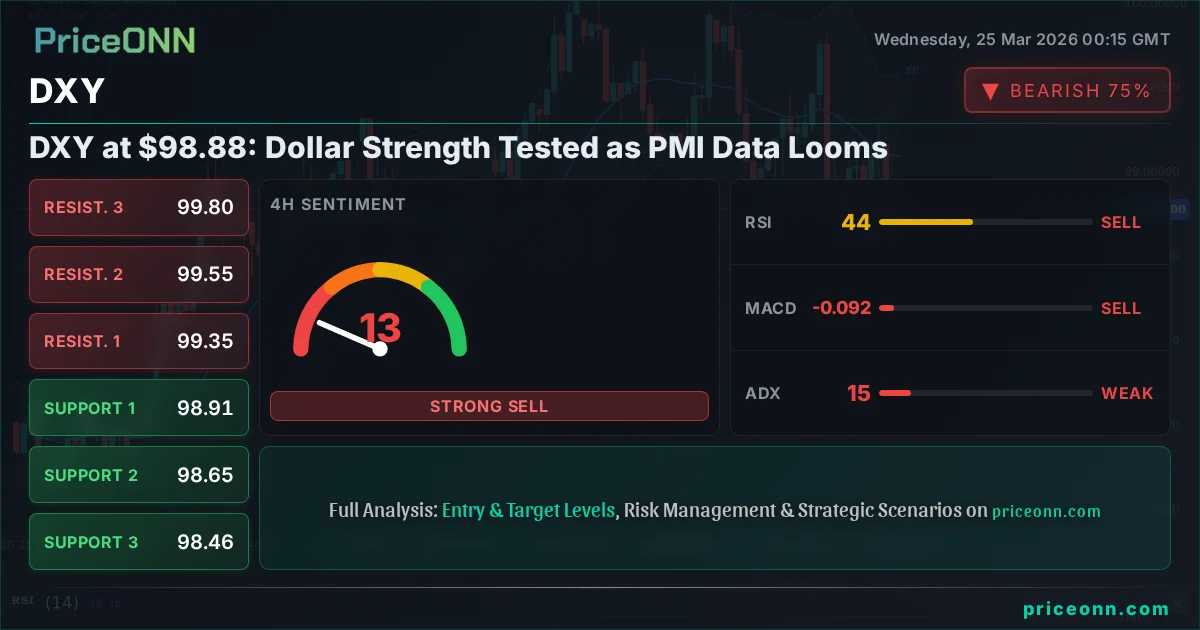
- US Dollar Index (DXY): The prospect of rates staying higher for longer provides a fundamental tailwind for the DXY. Any further geopolitical escalation or strong US economic data could propel the index higher.
- Treasury Yields: Fed officials' hawkish commentary typically puts upward pressure on US Treasury yields, especially at the shorter to medium end of the curve, reflecting expectations of a prolonged period of restrictive policy.
- Emerging Market Currencies: A stronger dollar and higher US yields can drain capital from emerging markets, putting downward pressure on their currencies and increasing borrowing costs for these nations.
- Commodities: While a stronger dollar can make dollar-denominated commodities like oil more expensive for foreign buyers, the underlying geopolitical tensions mentioned by Barr could simultaneously support prices if supply concerns rise.
Traders should monitor upcoming inflation reports and statements from other Fed officials closely. The market will be looking for confirmation that the central bank is resolute in its commitment to price stability, even at the potential cost of slower economic growth in the short term. Key levels on the DXY and US Treasury yields will be critical indicators of market sentiment regarding the Fed's policy trajectory.
Track markets in real-time
Empower your investment decisions with AI-powered analysis, technical indicators and real-time price data.
Join Our Telegram Channel
Get breaking market news, AI analysis and trading signals delivered instantly to your Telegram.
Join Channel