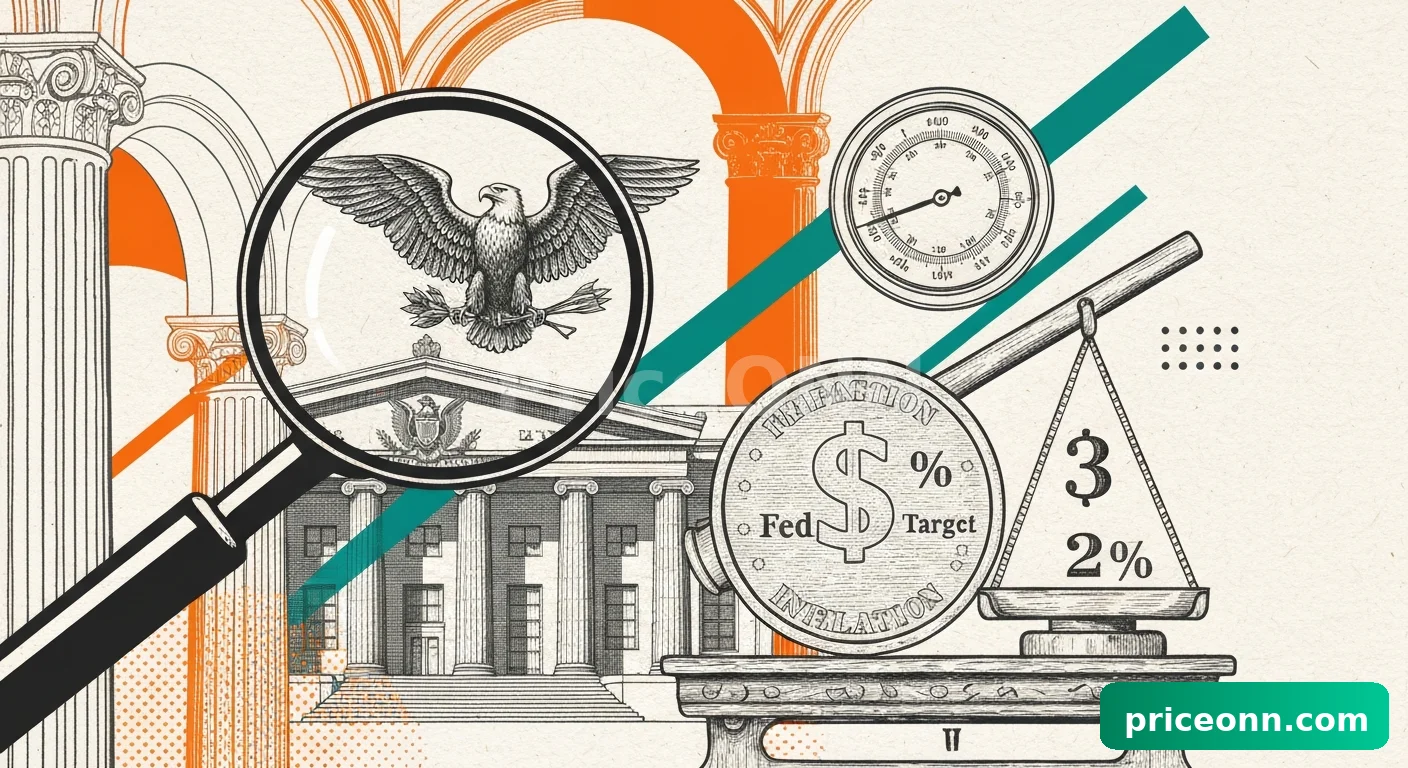
Fed’s Goolsbee: Energy shocks can pose risks to both sides of Fed mandate
The Fed's Dual Mandate Under Pressure
The Federal Reserve, the architect of U.S. monetary policy, operates under a fundamental charter with two critical pillars: maintaining price stability and promoting robust employment. Its primary lever for influencing the economy involves strategic adjustments to interest rates. When inflation begins to accelerate beyond the Fed's target of 2%, the central bank typically tightens its monetary stance by raising interest rates. This action increases the cost of borrowing across the economic spectrum, a move that often strengthens the U.S. Dollar (USD) by attracting international capital seeking higher returns.
Conversely, should inflation dip below the desired 2% threshold or if unemployment figures signal weakness, the Fed may opt to lower borrowing costs. Such a reduction in interest rates can stimulate economic activity but may also exert downward pressure on the Greenback.
These crucial decisions are deliberated eight times a year by the Federal Open Market Committee (FOMC). This influential body comprises twelve key figures from the Federal Reserve system, including the seven members of the Board of Governors, the president of the Federal Reserve Bank of New York, and four rotating presidents from the regional Reserve Banks. They convene to analyze prevailing economic conditions and chart the course for monetary policy.
In extraordinary economic circumstances, the Fed possesses the authority to deploy unconventional tools. One such measure is Quantitative Easing (QE), a policy enacted to inject substantial liquidity into a faltering financial system. This powerful intervention, famously utilized during the 2008 Great Financial Crisis, involves the Fed creating new money to purchase high-quality bonds from financial institutions. Historically, QE tends to weaken the dollar. Its inverse, Quantitative Tightening (QT), involves the Fed allowing its bond holdings to mature without reinvestment, thereby reducing the money supply and typically bolstering the dollar's value.
Reading Between the Lines
Chicago Fed President Austan Goolsbee recently articulated a significant concern: the potential for energy price spikes to create a challenging environment for the Federal Reserve's dual mandate. This isn't merely about inflation; it’s about the intricate web of economic forces that can simultaneously push prices higher while potentially dampening economic activity and employment. Such a scenario, often termed 'stagflation' in its extreme form, presents a particularly thorny dilemma for policymakers.
When energy costs surge unexpectedly, perhaps due to geopolitical tensions or supply disruptions, the immediate impact is felt at the pump and in heating bills, directly contributing to higher headline inflation figures. This puts pressure on the Fed to act by raising rates to curb price pressures. However, higher energy costs also act as a tax on consumers and businesses, reducing discretionary spending and potentially slowing down hiring or even leading to job losses. This directly challenges the Fed's commitment to fostering maximum employment.
The dilemma for the Fed is stark: raising rates to combat energy-driven inflation risks exacerbating the slowdown in economic growth and employment. Conversely, holding rates steady or cutting them to support employment might allow inflation to become more entrenched, further eroding purchasing power and undermining price stability. The numbers tell a clear story: oil and gas prices are significant drivers of overall inflation, yet their impact reverberates far beyond the consumer price index, affecting production costs and consumer confidence.
Goolsbee's remarks highlight that the Fed must constantly monitor not just core inflation but also the volatile components like energy, which can throw its carefully calibrated policy objectives off course. The risk is that external shocks, particularly those impacting essential commodities, can create a push-pull effect that makes achieving both price stability and full employment exceptionally difficult within the same policy cycle.
Market Ripple Effects
The implications of energy price volatility on Fed policy and broader markets are substantial. Traders and investors should closely monitor the interplay between energy markets and monetary policy expectations. A sustained surge in crude oil prices, for instance, could increase the probability of the Fed maintaining higher interest rates for longer, or even considering further hikes if inflation proves stubborn. This scenario would likely weigh on risk assets like equities, particularly growth stocks sensitive to borrowing costs.
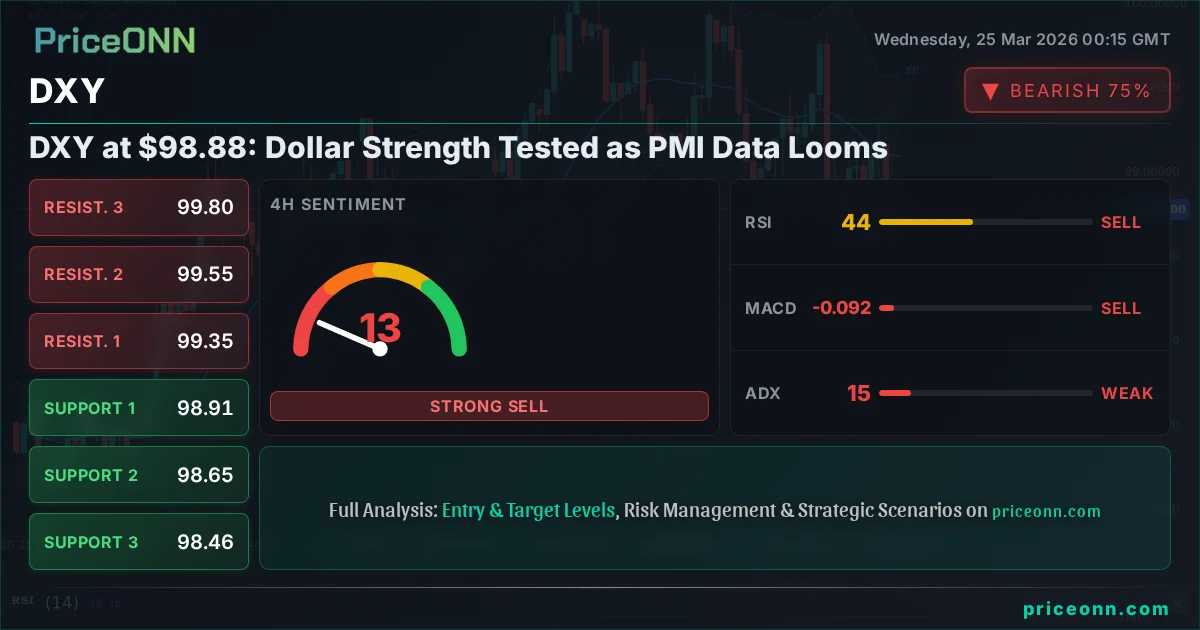
Conversely, a significant drop in energy prices could ease inflation concerns, potentially opening the door for the Fed to signal a pivot towards rate cuts sooner than anticipated. This could provide a tailwind for both stocks and bonds. The U.S. Dollar Index (DXY) also becomes a key barometer; a Fed perceived as behind the curve on inflation due to energy shocks might weaken the dollar, while a Fed seen as effectively managing the situation could support it.
Furthermore, energy shocks can directly influence commodity-linked currencies. A prolonged oil price rally might benefit currencies like the Canadian Dollar (CAD), while a sharp decline could pressure it. Similarly, the correlation between energy prices and inflation expectations means that central bank communication regarding energy's role in inflation will be critical for markets like Treasury yields and even precious metals such as Gold, which can act as an inflation hedge.
Track markets in real-time
Empower your investment decisions with AI-powered analysis, technical indicators and real-time price data.
Join Our Telegram Channel
Get breaking market news, AI analysis and trading signals delivered instantly to your Telegram.
Join Channel