Will Oil Prices Breach $200 as Strait of Hormuz Blockade Intensifies?
Market Context
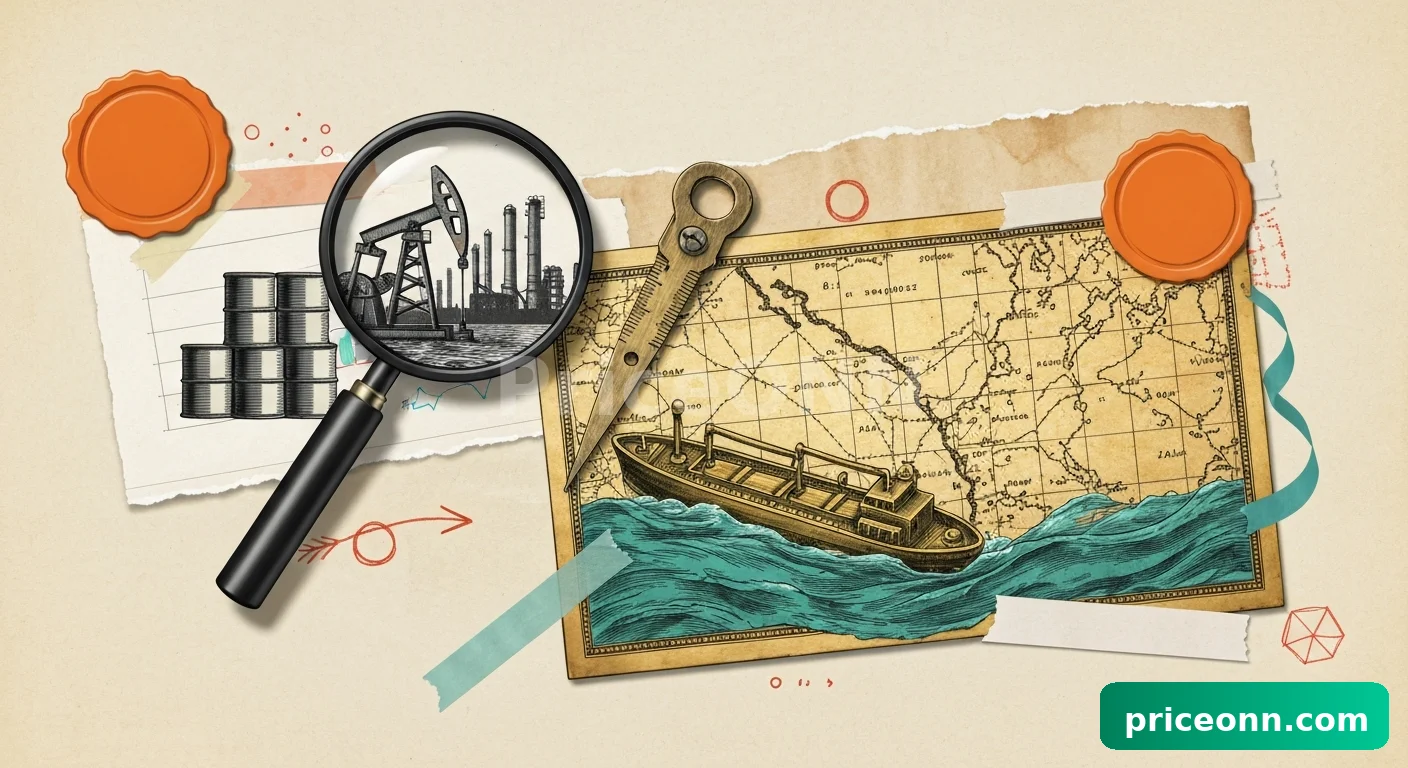
The global energy landscape is facing an unprecedented crisis as the blockade of the Strait of Hormuz, a vital chokepoint for oil trade, intensifies. Crude oil prices have reacted sharply, with West Texas Intermediate (WTI) for April delivery climbing to $96.07 per barrel, marking a significant increase of 2.75%. This surge comes as Iran steps up its actions against energy infrastructure amidst its conflict with U.S.-Israel forces. The waterway, through which over a third of the world's crude oil passed in 2025, has been effectively closed for three weeks, leading to a historic disruption in global oil trade. Analysts are now discussing the possibility of oil prices reaching as high as $200 per barrel, a scenario previously considered extreme but now gaining traction due to the sustained supply shock.
Analysis & Drivers
The primary driver behind the current market turmoil is the sustained closure of the Strait of Hormuz. This strategic waterway is critical for oil exports from Arab nations to the rest of the world. With the strait blocked, oil-producing countries are facing immense storage constraints, forcing them to halt production. Market data indicates that over 10 million barrels per day of oil supply has been impacted since production cuts began. Efforts by Iraq's Oil Minister to negotiate passage for tankers with Iran have so far yielded no concrete results. Adding to the pressure, Iran has conducted drone attacks on energy facilities, including a significant incident at the Shah Gas Field in the UAE, which led to the suspension of operations. The U.S. has found little support from NATO allies for military intervention to reopen the Strait, highlighting a complex geopolitical landscape where economic interests and risk assessments vary significantly among global powers. China, with its substantial energy reserves and alternative routes, appears relatively insulated, continuing to secure its own shipments.
While the global energy industry is more diversified now than during past crises, the sheer scale of this disruption is significant. Renewable energy sources, particularly solar and wind, are expected to see accelerated adoption as the soaring oil prices catalyze a global transition. Industry reports indicate that the cost-competitiveness of renewables has reached a tipping point, potentially driving significant growth in solar installations beyond previous flat forecasts. However, the immediate impact on consumers is severe, with average gasoline prices in the U.S. reaching $3.68 per gallon and diesel exceeding $5 per gallon.
Trader Implications
Traders should closely monitor the geopolitical developments surrounding the Strait of Hormuz and any statements from Iran or the involved nations regarding potential de-escalation or continued conflict. Key price levels to watch for WTI crude include immediate resistance around the $100 per barrel mark, with a sustained breach potentially paving the way for further upward momentum towards the $120-$150 range, and eventually the extreme scenario of $200 if supply disruptions persist and worsen. Support levels are likely to be found near the $90 per barrel area.
The reluctance of international allies to commit to military action means that the supply-side pressures are unlikely to abate quickly through direct intervention. This suggests that market sentiment may remain heavily skewed towards bullishness in the short to medium term. However, traders must also be aware of the potential for sharp reversals if diplomatic breakthroughs occur or if alternative supply routes prove more resilient than anticipated. The increased cost of energy will also put pressure on consumer spending and corporate earnings, which could eventually temper demand, acting as a counter-balance to supply-side fears.
For those looking to capitalize on the volatility, strategies involving long positions in crude oil futures or related energy ETFs could be considered, but with strict risk management protocols due to the high-stakes nature of the geopolitical situation. Options strategies, such as straddles or strangles, could also be employed to profit from increased volatility, irrespective of the direction.
Outlook
The ongoing conflict and blockade of the Strait of Hormuz have created a highly volatile and uncertain environment for energy markets. While the long-term outlook may favor a faster transition to renewable energy, the immediate future points towards sustained high oil prices and significant geopolitical risks. The inability of global powers to form a united front to reopen the strait suggests that the current supply shock will persist, potentially pushing crude oil prices to levels not seen in decades. Traders should prepare for continued volatility and be ready to react to rapid shifts in market sentiment driven by escalating tensions or unexpected diplomatic developments.
Frequently Asked Questions
What is the current price of WTI Crude Oil?
As of Tuesday, WTI Crude Oil for April delivery was trading around $96.07 per barrel, reflecting a 2.75% increase amid escalating tensions.
What is the Strait of Hormuz and why is its closure significant?
The Strait of Hormuz is a critical maritime chokepoint through which over one-third of the world's crude oil trade passed in 2025. Its closure, initiated by Iran amidst conflict, represents the single largest disruption to global oil trade in history, causing prices to skyrocket.
Could oil prices realistically reach $200 per barrel?
Market analysts are increasingly discussing the possibility of crude oil reaching $200 per barrel due to the sustained disruption of supply from the Strait of Hormuz. While this is an extreme scenario, the current geopolitical climate and supply constraints make it a plausible outcome if the crisis continues unabated.
Track markets in real-time
Empower your investment decisions with AI-powered analysis, technical indicators and real-time price data.
Join Our Telegram Channel
Get breaking market news, AI analysis and trading signals delivered instantly to your Telegram.
Join Channel