
Brent: Surplus Spooks the Bulls
 PriceONN Editorial Desk
Multi-source verification
PriceONN Editorial Desk
Multi-source verification

Crude Oil Faces Significant Supply Glut
A stark projection from Goldman Sachs signals a potentially seismic shift in the oil market. Analysts at the investment bank anticipate a surplus of 3 million barrels per day to emerge by the year 2027. This forecast is underpinned by a confluence of factors, including a substantial increase in oil exports from Iran, which has reportedly shipped around 40 million barrels since its agreement with the United States. Simultaneously, Russian oil output has climbed to 4.13 million barrels per day, a level not seen since early 2022. These combined supply increases are already exerting considerable downward pressure on the price of Brent crude.
Even with intermittent escalations in the Middle East conflict, maritime traffic through the critical Strait of Hormuz has continued unimpeded. This operational resilience, according to Goldman Sachs, is a key factor enabling their prediction of a substantial market surplus. A portion of this anticipated surplus, specifically 1 million barrels per day, is expected to be absorbed by strategic petroleum reserve replenishment. However, the remaining deficit in demand relative to supply is significant enough to embolden crude oil bears.
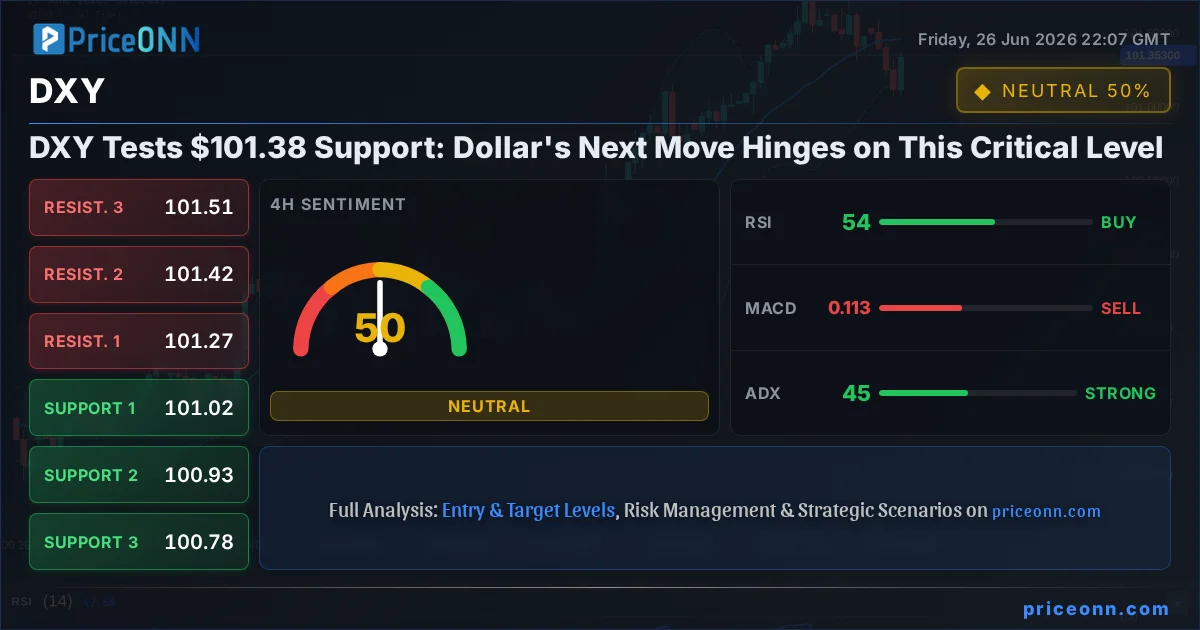
The primary counterforce that could disrupt this bearish outlook would be a renewed commitment to large-scale military action by the United States against Iran. While former President Donald Trump has not entirely dismissed such a possibility, his stated preference leans towards diplomatic solutions. Nevertheless, the potential for geopolitical escalation remains a critical variable for market participants to monitor.
Yen Under Pressure Amidst Dollar Strength
The Japanese Yen has tumbled to levels not witnessed since 1986, with the USDJPY cross breaching the 162 mark. This sharp depreciation has fueled expectations of imminent currency interventions by Japan. In an effort to stabilize the Yen, the Japanese authorities already expended over $70 billion in April and May. Finance Minister Satsuki Katayama has publicly stated that both the government and the Bank of Japan are prepared to implement necessary measures to address currency fluctuations at any time.
This sentiment was reportedly echoed by her US counterpart, Scott Bessent. The Dollar's upward trajectory, which has been a significant factor in the Yen's decline, is closely linked to recent monetary policy signals from the United States. A hawkish surprise from the new Federal Reserve Chair during the June FOMC meeting, which saw Treasury yields climb and the greenback strengthen, initially sent shockwaves through financial markets. Should any further commentary from Fed officials suggest a misunderstanding of these signals, the market's reaction could be volatile, potentially reversing recent trends.
The current dynamic presents a stark contrast to earlier in the spring when rising oil prices propelled the dollar higher. Now, the strengthening dollar is actively contributing to the downward pressure on oil prices. Furthermore, if former Fed official Kevin Warsh's upcoming speech in Sintra, Portugal, fails to curb the dollar's advance, Japan may find itself with little recourse but to engage in direct foreign exchange market intervention to support its currency.
Reading Between the Lines
The confluence of a looming oil surplus and a potentially intervention-threatened Yen creates a complex backdrop for global markets. The projected 3 million BPD oil surplus by 2027, driven by increased Iranian and Russian output, directly challenges the bullish narrative for crude, despite ongoing Middle East tensions. This suggests that fundamental supply dynamics are poised to outweigh geopolitical risk premiums in the medium term, a critical insight for energy traders. The resilience of tanker traffic through the Strait of Hormuz underscores the market's current supply stability, a point often overlooked amidst headline conflict.
For currency traders, the USDJPY's ascent past 162 is a clear warning sign. Investors are pricing in the strong possibility of Japanese intervention, a move that could temporarily bolster the Yen but also highlights the underlying economic pressures. The market will be keenly watching Kevin Warsh's remarks in Sintra for any clues on future US monetary policy direction, which could either accelerate or stall the dollar's advance. If the dollar continues its climb unchecked, the Bank of Japan might be forced into action, potentially leading to significant volatility across major currency pairs, including EURUSD and GBPUSD, as capital flows adjust.
Key risks to monitor include any escalation of US military action against Iran, which could temporarily disrupt supply and boost oil prices, counteracting the surplus forecast. Conversely, a surprisingly dovish tone from Fed officials or a clear signal of intervention from Japan could trigger sharp reversals in currency markets. Smart money is likely focused on the yield differentials and the market's positioning ahead of Warsh's speech, potentially identifying opportunities in the volatility that may ensue.
Track markets in real-time
Empower your investment decisions with AI-powered analysis, technical indicators and real-time price data.
Join Our Telegram Channel
Get breaking market news, AI analysis and trading signals delivered instantly to your Telegram.
Join Channel PriceONN News
Thursday belonged to the US Dollar, not the Aussie. A soft American payrolls print sent AUD/USD spiking toward 0.6950 on release, before it gave most of that back to close well off its high.
PriceONN News
USDJPY needs interventions and rate hikes. Monetary policy divergence is pushing EURUSD lower. The US dollar found no clues in Kevin Warsh’s comments, and attention shifted to the US labour market report for June. The Fed Chair noted a reduction in inflationary risks and reaffirmed the central bank’s commitment to bringing inflation back to the […] The post Will USDJPY Reach 200 Without Intervention? appeared first on ActionForex.
PriceONN News
Japan may not have spent a dollar today, but it may have achieved one of the key goals of intervention anyway. USD/JPY plunged from 162.59 to below 161.30, a move large enough to trigger immediate speculation that Tokyo had stepped into the market. There is no confirmation of actual intervention yet, but that may be […] The post USD/JPY’s 150 Pips Fall: A Tactical “Intervention” Masterclass by Japan Ahead of NFP appeared first on ActionForex.
PriceONN News
The GBP/JPY cross attracts fresh sellers in the vicinity of mid-215.00s and slides to the lower end of its daily range during the early European session on Friday.
PriceONN News
The GBP/USD pair trades in positive territory around 1.3360 during the early European session on Friday. The British Pound (GBP) gathers strength against the US Dollar (USD) on a weaker-than-expected US Nonfarm Payrolls (NFP) report.
PriceONN News
The AUD/JPY cross trades in positive territory around 111.75 during the early European trading hours on Friday. The Australian Dollar (AUD) strengthens against the Japanese Yen (JPY) following the Chinese economic data.
PriceONN News
USD/IDR gains ground after registering minor losses in the previous day, trading around 18,000 during the Asian hours on Friday. The pair appreciates as the US Dollar (USD) holds its position despite a disappointing set of domestic labor data released on Thursday.
PriceONN News
The NZD/USD pair gathers strength to around 0.5705 during the Asian trading hours on Friday. The New Zealand (NZD) remains strong following the Chinese economic data. The US markets will be closed on Friday in observance of Independence Day.
PriceONN News
The GBP/USD pair trades with mild gains near 1.3350 during the early Asian trading hours on Friday. The US Dollar (USD) edges lower against the British Pound (GBP) on a weaker-than-expected US Nonfarm Payrolls (NFP) report. The US markets will be closed on Friday in observance of Independence Day.
PriceONN News
USD/CAD has lost its recent gains from the previous day, trading around 1.4190 during the European hours on Thursday. Traders adopt a cautious stance ahead of the highly anticipated June Nonfarm Payrolls (NFP) report.
PriceONN News
The Australian Dollar (AUD) remains practically flat against the US Dollar (USD) on Thursday, consolidating losses after having depreciated nearly 4% in June. The AUD/USD pair is trading within a broadly 65-pip range, with downside attempts contained at 0.6865 and bulls limited below 0.6930 so far.
PriceONN News
The British Pound (GBP) trades higher against its major currency peers, rising 0.1% to near 1.3290 against the US Dollar (USD) during the European trading session on Thursday.