
Geopolitical Tensions Escalate, Threatening Global Energy Security
Global energy markets face heightened uncertainty as a confluence of geopolitical flashpoints and critical infrastructure vulnerabilities emerges. The aftermath of military actions involving Iran has disrupted key energy hubs in the Persian Gulf, while simultaneously, sophisticated cyber threats are increasingly targeting the United States' aging power grid, raising alarms among analysts and policymakers.
Market Context
The Persian Gulf region, a critical artery for global oil supply, is experiencing significant fallout from recent U.S. and Israeli actions against Iran. Retaliatory missile and drone attacks by Tehran have struck airports, ports, and vital energy infrastructure across the region, including notable disruptions at Fujairah port and the Shah gas field in the United Arab Emirates. This has led to a severe impact on aviation, trade, tourism, and crucially, hydrocarbon exports, tarnishing the region's reputation as a stable business environment. The immediate spillover effect is undeniable, with key trade routes and energy facilities facing direct threats. Market data indicates a palpable rise in risk premiums associated with crude oil prices following these events, as traders price in potential supply disruptions.
Analysis & Drivers
The dual threat landscape presents a complex challenge for energy security. On one hand, direct physical attacks on energy infrastructure in the Gulf create immediate supply-side pressures. Reports indicate that hydrocarbon exports have been hampered, and the damage to critical facilities like those in the UAE underscores the fragility of energy supply chains in the region. This instability is a primary driver for upward pressure on oil prices, as traders anticipate tighter supply.
Concurrently, the United States is facing escalating cyber threats targeting its national power grid. Decades of underinvestment have left the grid vulnerable, a situation exacerbated by increasing energy demand from data centers and the complex integration of renewable energy sources. Acting Undersecretary of Energy, Alexander Fitzsimmons, has warned of an "escalating and intensifying" threat landscape, noting that adversaries may have already infiltrated IT networks underpinning critical infrastructure. The modernization efforts, while necessary, are paradoxically widening the potential attack surface. This systemic risk to the U.S. power infrastructure introduces a different, yet equally potent, threat to global energy stability, potentially impacting industrial output and economic activity.
Trader Implications
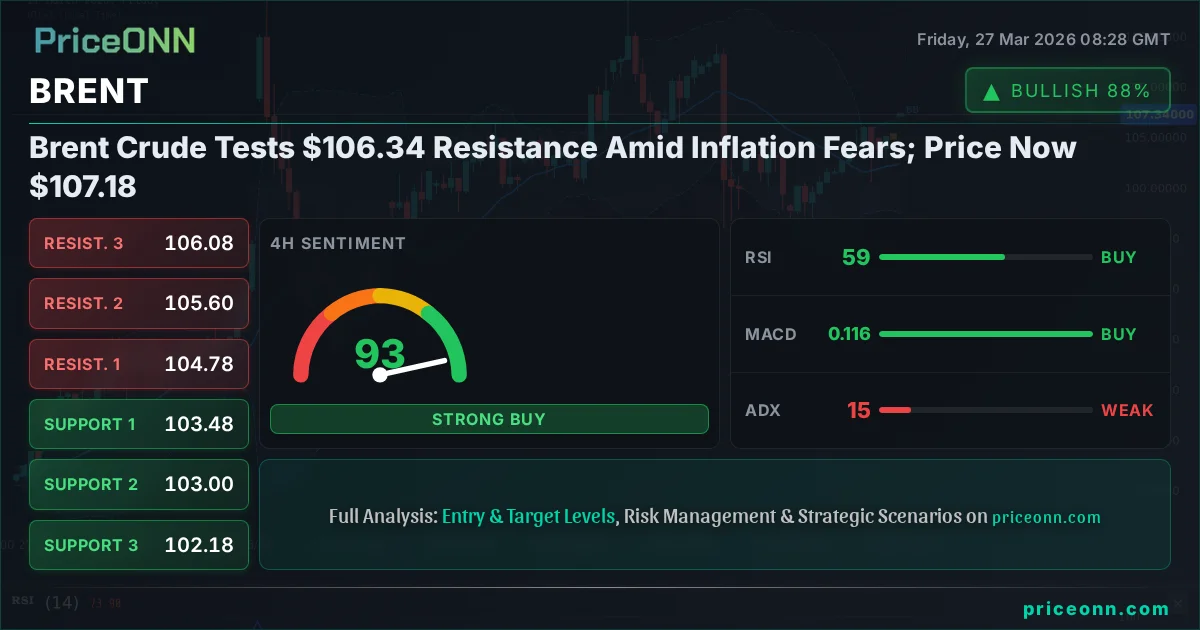
Traders should monitor several key factors closely. Firstly, the ongoing geopolitical tensions in the Persian Gulf will remain a significant driver for crude oil prices. Any further escalation or confirmed supply disruptions could push Brent crude and WTI towards key resistance levels, potentially testing $90 per barrel. Conversely, de-escalation or successful mitigation efforts by regional powers could see prices retreat.
Secondly, the cyber threat to the U.S. power grid, while less immediately quantifiable in price terms, represents a systemic risk. A successful large-scale attack could lead to widespread power outages, significantly impacting industrial demand for energy and potentially triggering broader economic downturns, which would negatively affect energy commodity prices. Traders should watch for any official statements or intelligence reports detailing specific threats or successful cyber intrusions.
Key levels to watch for crude oil include support around $80 per barrel and resistance near $88 per barrel. For the broader energy market, the perceived stability of supply routes and the resilience of critical infrastructure will be paramount.
Outlook
The outlook for global energy security remains cautious. The geopolitical instability in the Middle East is unlikely to dissipate quickly, suggesting continued volatility in oil markets. Simultaneously, the persistent cyber threats against vital U.S. infrastructure indicate that the risk of significant disruption, while perhaps low in probability, carries a high impact. Investors and traders should prepare for a sustained period of heightened awareness and potential price swings driven by these multifaceted risks.
Frequently Asked Questions
What are the immediate impacts of the recent events on oil prices?
The disruptions to ports and energy facilities in the Persian Gulf have led to an increase in crude oil prices due to heightened fears of supply shortages. Analysts note that Brent crude prices have seen a notable upward tick, with potential to test $90 per barrel if tensions escalate further.
How vulnerable is the U.S. power grid to cyber attacks?
The U.S. power grid is considered highly vulnerable due to aging infrastructure and increasing demands, making it an attractive target for cyber adversaries. Officials have warned that hostile entities may have already gained access to critical IT networks, posing a significant risk of disruption.
What should traders watch for regarding future energy market movements?
Traders should closely monitor geopolitical developments in the Middle East for oil price impacts and any official reports on cyber threats to U.S. infrastructure. Key price levels to watch for WTI crude include support at $80 per barrel and resistance at $88 per barrel.
Track markets in real-time
Empower your investment decisions with AI-powered analysis, technical indicators and real-time price data.
Join Our Telegram Channel
Get breaking market news, AI analysis and trading signals delivered instantly to your Telegram.
Join Channel
PriceONN