
Is Gold Poised for a Rebound as Middle East Tensions Simmer?
Gold prices experienced a moment of stabilization on Tuesday, halting a sharp, nine-day slide that had seen the precious metal shed considerable value. After touching bear market territory in March, bullion found a floor just above the critical $4,400 per ounce level, as traders recalibrated their positions amidst a complex interplay of geopolitical risks and evolving monetary policy expectations.
Market Context: A Fragile Equilibrium
The yellow metal’s pause comes after a turbulent period. Earlier in the session, gold had dipped as much as 2.7% during Asian trading hours before recovering to trade near breakeven, with spot prices hovering around $4,407.07. U.S. gold futures also showed resilience, closing with a modest gain. This stabilization occurred as a sharp fall in crude oil prices the previous session prompted a reassessment of aggressive Federal Reserve rate hike expectations.
The preceding weeks were marked by significant headwinds for gold. A strengthening U.S. dollar, driven by rising yields and waning anticipation for imminent Fed rate cuts, put considerable pressure on the non-yielding asset. Market data indicates that since the start of recent Middle East conflicts, bullion has lost approximately 15% of its value. This downturn was exacerbated by growing concerns that elevated energy prices could reignite inflationary pressures, suggesting central banks might maintain higher interest rates for an extended period.
Analysis & Drivers: Geopolitics and Liquidity
Geopolitical developments in the Middle East remain a significant, albeit uncertain, driver for gold. While reports of potential U.S.-Iran discussions in Pakistan were officially denied by the White House as speculative, indirect signals suggest a cautious openness to dialogue under specific conditions. However, statements from Israeli leadership regarding continued strikes against Iran and Lebanon add to the regional volatility, creating an environment where safe-haven demand for gold could resurface.
Beyond geopolitical tensions, broader market dynamics have also played a crucial role. Industry reports indicate a widespread liquidity stress compelling investors to liquidate assets across various classes, including gold, to meet margin calls and offset losses elsewhere. This deleveraging activity, particularly among retail investors and some emerging market central banks, has amplified selling pressure on bullion.
The narrative around inflation is also shifting. While elevated energy prices initially fueled fears of persistent inflation and hawkish central bank policy, the recent pullback in oil prices has somewhat eased these immediate concerns. This has led traders to dial back some of their more aggressive bets on Fed tightening, creating a more supportive, albeit still cautious, environment for gold.
Trader Implications: Watching Key Levels and Fed Signals
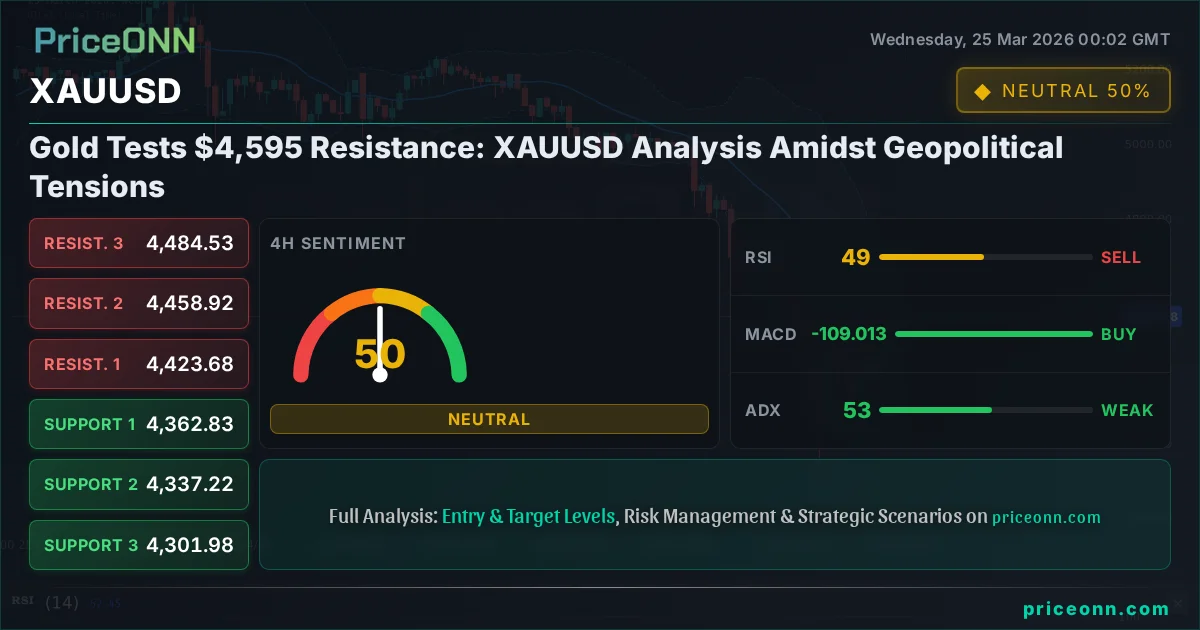
For traders, the immediate focus remains on the $4,400 per ounce level, which has now become a critical support zone. A sustained break below this could trigger further liquidation, while a hold above it might pave the way for a short-covering rally. Key technical levels to watch include resistance around $4,450 and potential further upside targets near $4,500 if positive sentiment takes hold.
Traders should closely monitor U.S. economic data releases, particularly inflation indicators and employment figures, as these will heavily influence the Federal Reserve’s forward guidance. Any signals of persistent inflation could reignite dollar strength and pressure gold, while signs of cooling inflation might support a more dovish Fed stance, benefiting bullion. Geopolitical developments in the Middle East will also remain a significant wildcard, capable of triggering sharp price movements on unexpected news.
The current market sentiment suggests caution. While the immediate selling pressure may have abated, the underlying factors of tight liquidity and the potential for renewed geopolitical escalation mean that gold’s path forward is likely to remain volatile. Traders should be prepared for sharp reversals and maintain strict risk management protocols.
Outlook
Gold appears to be at a crucial juncture. While it has managed to halt its steepest slump, the underlying pressures from liquidity concerns and geopolitical uncertainty persist. A sustained recovery will likely depend on a clearer path for U.S. monetary policy and a de-escalation of regional conflicts. Investors are looking towards upcoming central bank commentary and key economic data for direction, with the precious metal poised to react swiftly to any shifts in market sentiment or geopolitical stability.
Frequently Asked Questions
What is the current support level for gold prices?
Gold prices have found temporary support around the $4,400 per ounce mark after a significant nine-day slump. A sustained hold above this level is crucial for preventing further downside.
What factors are influencing gold's recent price action?
Gold's price is being influenced by a combination of factors including Middle East geopolitical tensions, shifting expectations for U.S. Federal Reserve monetary policy, a strengthening U.S. dollar, and broad market liquidity stress leading to deleveraging.
Can gold prices rebound significantly in the near term?
A significant rebound for gold in the near term is possible if geopolitical tensions escalate further or if U.S. inflation data suggests a more dovish stance from the Federal Reserve. However, ongoing liquidity concerns and potential for de-escalation present counterbalancing risks.
Track markets in real-time
Empower your investment decisions with AI-powered analysis, technical indicators and real-time price data.
Join Our Telegram Channel
Get breaking market news, AI analysis and trading signals delivered instantly to your Telegram.
Join Channel


PriceONN