How China Could Turn the Iran War Into an Energy Advantage
A Calculated Calm in the Global Energy Turmoil
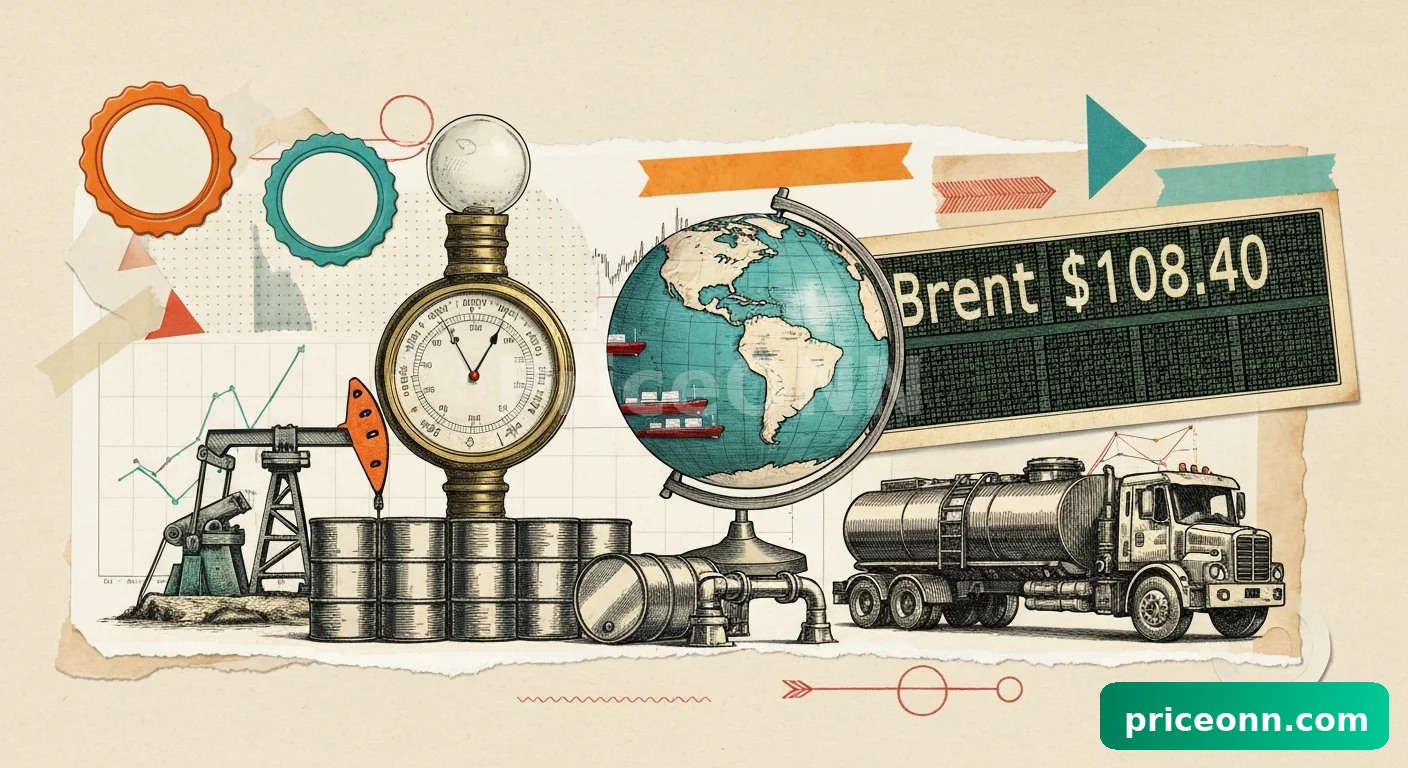
While the world grapples with escalating tensions and the resultant energy price shocks, the People's Republic of China appears to be navigating the crisis with an almost eerie composure. The ongoing military actions involving the United States and Israel against Iran have sent ripples of volatility across global energy supplies. Yet, amidst this widespread market disarray, China is leveraging years of deliberate energy accumulation, positioning itself not just to weather the storm but potentially to emerge as a significant economic beneficiary.
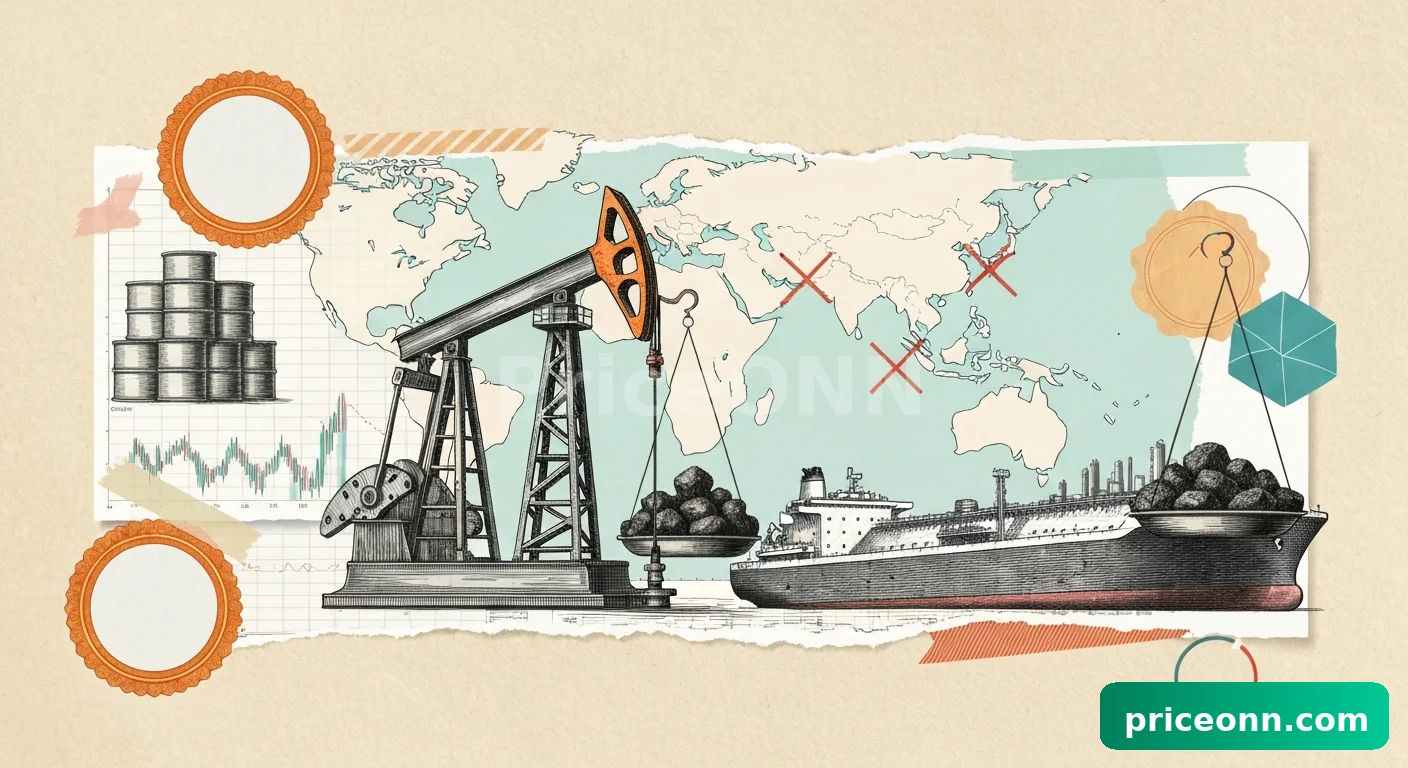
The strategic implications of the current conflict are profound. Iran, facing aggression, has wielded its most potent geopolitical weapon: the Strait of Hormuz. This critical chokepoint, through which approximately one-fifth of the world's oil and gas transits, has seen trade significantly curtailed. Iranian officials have declared the waterway open for some but effectively closed to adversaries and their allies. This move, while impacting global supply chains, has seen China continue to receive substantial crude oil shipments, reportedly around 11.7 million barrels, even as the conflict intensifies.

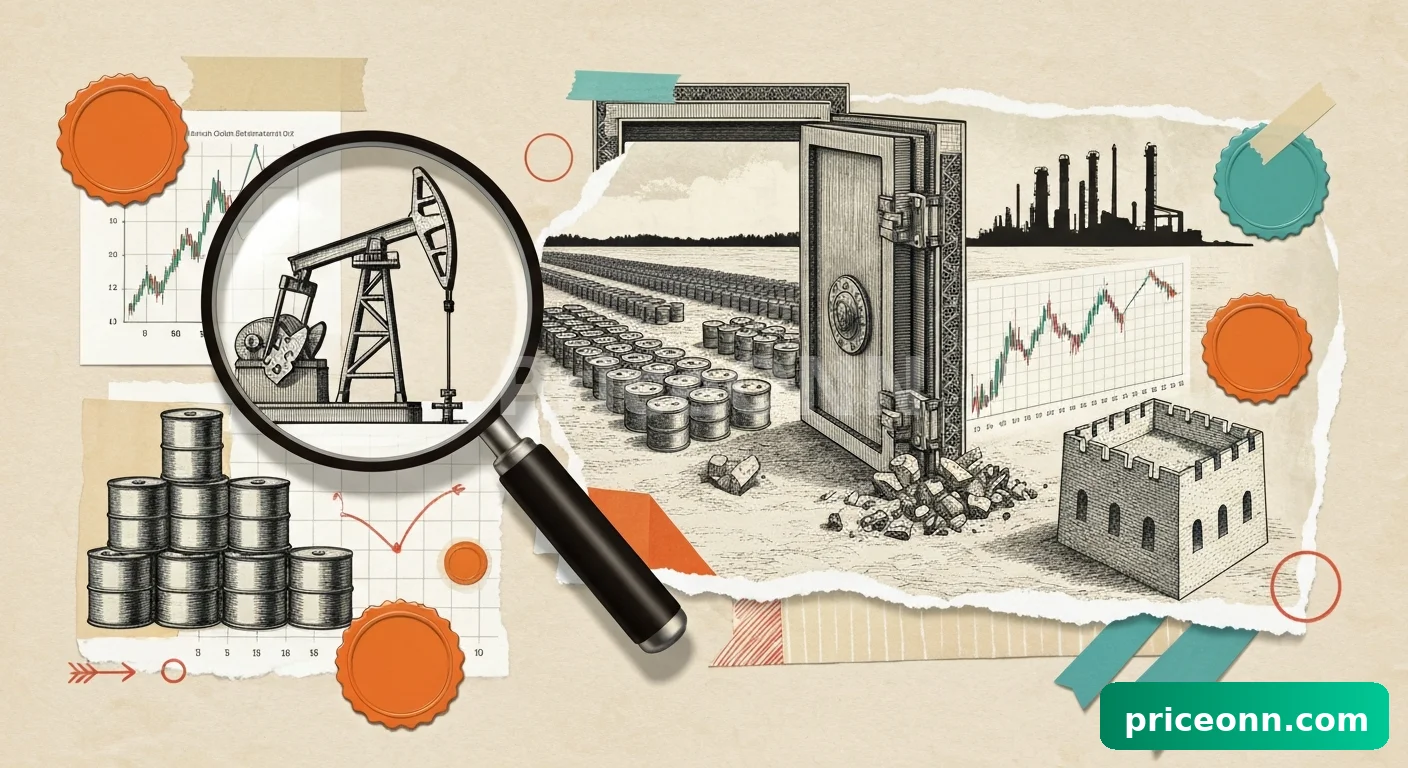
This steady flow complements China's already formidable strategic reserves. The nation has meticulously built its crude oil inventories to unprecedented levels, reaching a staggering 851 million barrels in onshore commercial storage prior to the recent escalation. Such a colossal stockpile provides China with a crucial buffer, granting it the latitude to devise measured economic and energy strategies independently, while other nations scramble for limited resources.
Beyond Reserves The 'Supergrid' Advantage
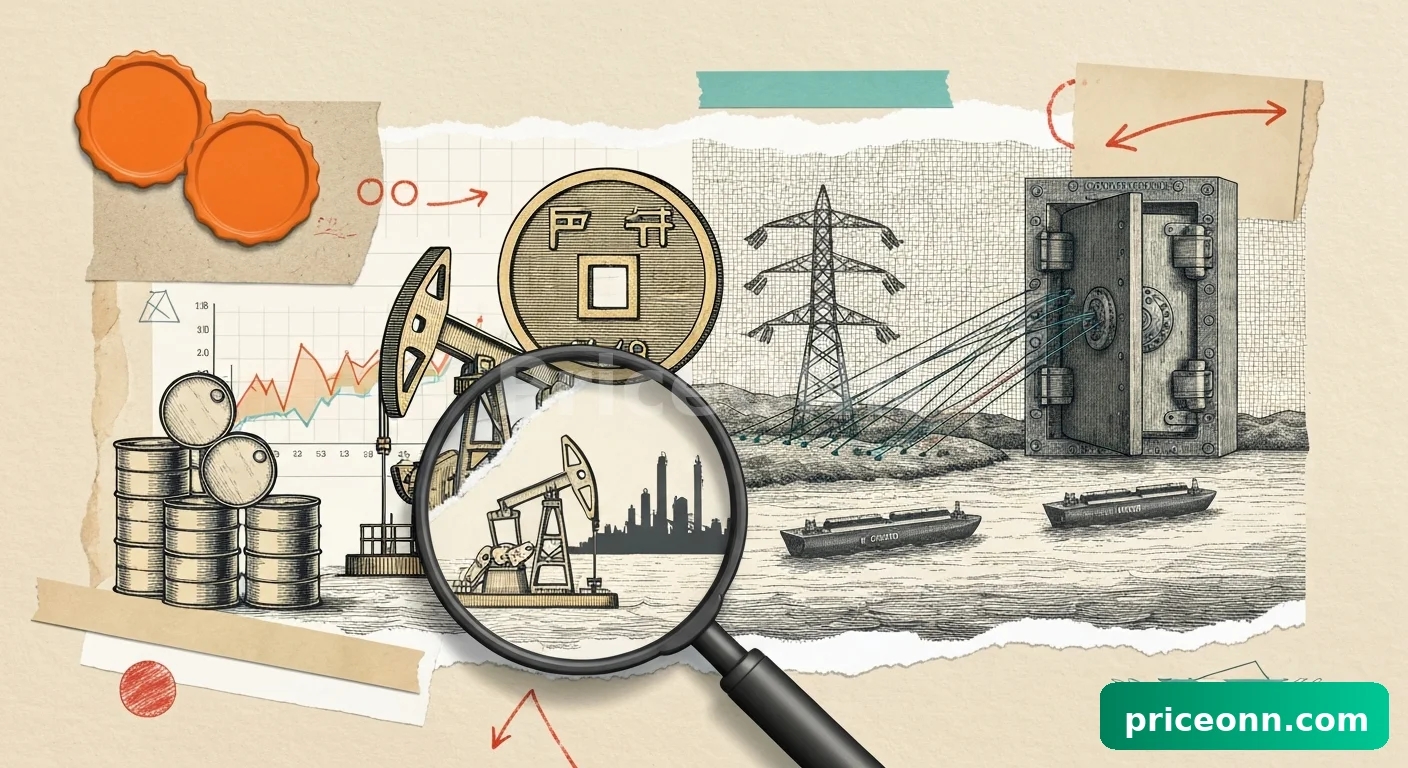
However, China's resilience in the face of this global energy crunch extends far beyond its vast crude oil reserves. The nation's true strategic differentiator lies in its ambitious 'supergrid' initiative and its long-term commitment to reducing reliance on imported fossil fuels through substantial investments in renewable energy infrastructure. This dual approach is transforming China into a potential leader in the global energy transition.
Significant capital expenditure has been channeled into constructing and reinforcing China's power grid, enhancing its robustness and reliability. As noted by Penny Chen, a senior director at Fitch Ratings, "China's infrastructure build-out is far more efficient than that of most countries, and the power grid is no exception." This focus on grid modernization is becoming increasingly vital as the global demand for power intensifies, driven by the accelerating adoption of artificial intelligence and the expansion of manufacturing sectors.
The investments in grid infrastructure underscore a shift in energy policy. What was once considered a long-term objective for energy security under President Xi Jinping is now a critical component of immediate economic insulation. This proactive stance provides China with a distinct competitive edge in the global race for technological supremacy and energy production leadership.
Reading Between the Lines
Despite its robust preparations, China is not entirely insulated from the geopolitical fallout. Its continued reliance on Iran as a significant, albeit diminishing, crude oil supplier presents a challenge, particularly if the Strait of Hormuz remains constricted for an extended period. Furthermore, potential diplomatic pressure from former U.S. President Donald Trump, advocating for a coalition to reopen the waterway, could complicate Beijing's position.
Yet, if China can successfully navigate the immediate conflict, bolstered by its diversified energy investments and substantial reserves, it stands to gain considerable geopolitical leverage. Observers note that dire predictions of China's destabilization may be wishful thinking rather than market reality. Josh Freed, head of climate and energy at think tank Third Way, commented that "This is a shock China can absorb. It will end up in a stronger position on the other side." This suggests that China's strategic patience and forward-thinking energy policies could yield substantial rewards on the global stage.
The situation highlights a stark contrast between nations heavily dependent on immediate energy imports and those, like China, that have prioritized long-term energy infrastructure development and strategic stockpiling. This foresight allows China to maintain economic stability and pursue its global ambitions while others face significant headwinds. The coming weeks will be critical in observing how these dynamics play out, but China's current positioning suggests a remarkable capacity to absorb external shocks and potentially capitalize on them.
Track markets in real-time
Empower your investment decisions with AI-powered analysis, technical indicators and real-time price data.
Join Our Telegram Channel
Get breaking market news, AI analysis and trading signals delivered instantly to your Telegram.
Join Channel