India Says 28 Oil and Gas Ships Are Stranded Near the Strait of Hormuz
Energy Lifelines Halted at Critical Chokepoint
A substantial fleet of 28 ships, vital for supplying India with energy resources, finds itself stalled in waters adjacent to the Strait of Hormuz. This developing situation, confirmed by Indian governmental sources, involves vessels laden with crude oil, liquefied petroleum gas (LPG), and liquefied natural gas (LNG). The stranded fleet comprises 18 ships flying the Indian flag and 10 vessels registered under foreign registries, all en route to India with essential energy commodities. Rajesh Kumar Sinha, Special Secretary within India's Ministry of Ports, Shipping and Waterways, detailed the breakdown: four foreign-flagged crude oil tankers, three LPG carriers, and three LNG carriers are among those affected.
Further complicating the picture, 18 Indian-flagged vessels are also anchored in the vicinity. This group includes four crude oil tankers, three LPG carriers, and one LNG carrier. Adding to the logistical challenge, another Indian tanker is actively engaged in loading LPG in the region. The government has assured that all 485 Indian seafarers on board these vessels are safe, a critical piece of information amidst heightened regional anxieties.
Regional Conflict Triggers Supply Chain Snarl
The current impasse stems directly from escalating conflicts in the Middle East, which have severely disrupted the typical transit routes through the Strait of Hormuz. This chokepoint is indispensable for global energy flows, and its current state of flux creates a palpable strain on India's energy security. As the world's third-largest importer of crude oil and heavily reliant on LPG for domestic cooking needs, India faces a burgeoning supply crunch.
New Delhi's immediate focus is on securing safe passage for its own flagged vessels carrying these indispensable cargoes, particularly LPG. Despite the broader challenges, encouraging signs have emerged in recent days. According to Sinha, eight Indian-flagged vessels have successfully navigated the Strait of Hormuz over the past few days. Among these successful transits were two LPG carriers, anticipated to reach Indian shores imminently.
This partial resumption of passage follows an earlier instance where two Indian LPG carriers navigated the Strait close to the Iranian coast, suggesting that some passage through this vital artery may still be permitted, at least for Indian maritime traffic under specific conditions. However, the overall situation remains precarious, with a significant portion of India's energy imports still held captive by the geopolitical climate.
Market Ripple Effects
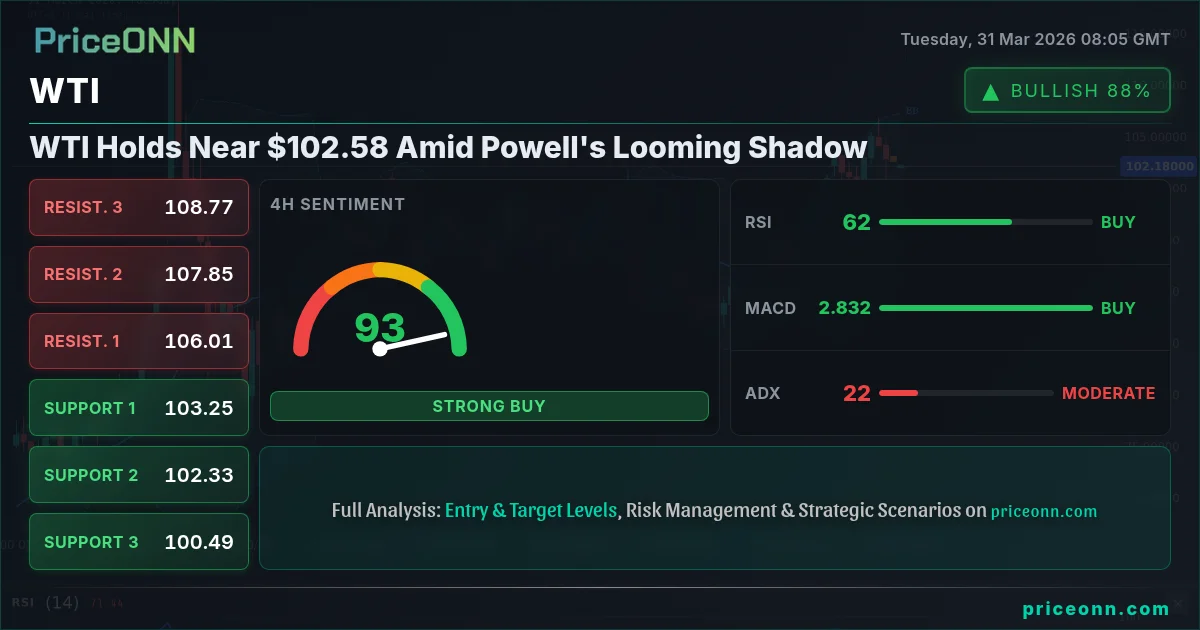
This growing blockade of energy shipments near the Strait of Hormuz introduces significant volatility into global energy markets and has direct implications for several key financial instruments. The immediate impact is felt in crude oil and LPG prices, which are likely to see upward pressure as supply concerns mount. Traders will be closely watching for any further escalation or de-escalation in the region, as this will dictate the trajectory of energy commodities.
The disruption also casts a shadow over currencies sensitive to energy prices, such as the Canadian Dollar (CAD), which often moves in tandem with crude oil benchmarks like WTI. Furthermore, the potential for persistent supply chain issues could contribute to inflationary pressures, influencing central bank policy and potentially impacting global bond yields. Investors are advised to monitor developments closely, as the Strait of Hormuz is a critical barometer for geopolitical risk and its spillover effects on the broader economy. The situation underscores the fragility of global energy logistics and the interconnectedness of geopolitical stability with financial market performance.
Track markets in real-time
Empower your investment decisions with AI-powered analysis, technical indicators and real-time price data.
Join Our Telegram Channel
Get breaking market news, AI analysis and trading signals delivered instantly to your Telegram.
Join Channel