Iranian Drone Sets Kuwaiti Oil Tanker on Fire
Naval Fire Erupts Amidst Geopolitical Tensions
A significant fire broke out on a Kuwaiti oil tanker docked in Dubai after an alleged drone attack, according to initial media reports released today. Dubai authorities later confirmed the blaze has been brought under control, easing immediate concerns over the incident's escalation.
The vessel in question is the Al Salmi, a very large crude carrier with a substantial capacity of 2 million barrels. Reports indicate the tanker was fully loaded with oil at the time of the incident. The Kuwait Petroleum Corporation stated that the attack resulted in damage to the ship's hull and sparked the onboard fire, raising the specter of a potential oil spill in the surrounding waters.
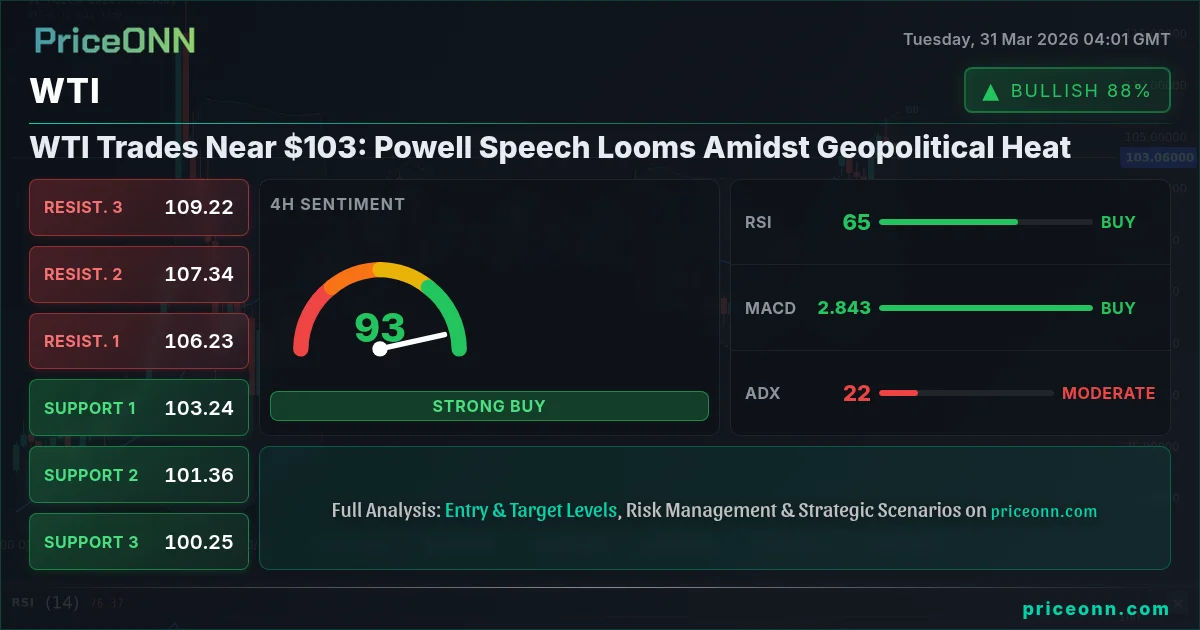
This event sent a brief ripple through the oil markets. At the time of reporting, Brent crude futures were trading around $112.94 per barrel, showing a slight decrease from the previous day's levels. West Texas Intermediate (WTI) was positioned near $102.73 per barrel.
Market Reaction and Diplomatic Undercurrents
The immediate price movement in oil futures occurred despite recent statements from U.S. President Trump on social media, suggesting a desire to de-escalate tensions and engage in negotiations with Iran. However, Iran has consistently refuted claims of ongoing discussions or the prospect of a swift resolution.
The U.S. President's approach has been characterized by a fluctuating strategy, alternating between overtures for dialogue and strong retaliatory threats. A recent public warning from the U.S. administration specifically targeted Iran's power plants and desalination facilities, vowing to obliterate them should Tehran not agree to a deal. International media coverage has noted that the deliberate targeting of civilian infrastructure constitutes a war crime.
Adding to the urgency, President Trump had previously set an April 6th deadline for reaching an agreement. Concurrently, the average price for gasoline in the United States surpassed the $4 per gallon mark for the first time in over three years. This economic pressure makes resolving the conflict a critical priority for the U.S. federal government and the ruling party. Despite these pressures, the likelihood of an imminent diplomatic breakthrough appears increasingly distant.
Reading Between the Lines
The reported drone strike on the Al Salmi, a fully laden supertanker, injects a fresh dose of volatility into an already sensitive geopolitical landscape. While the fire has been extinguished, the incident serves as a stark reminder of the fragilities within global energy supply chains and the persistent risks emanating from regional conflicts.
The market's muted reaction, a brief spike followed by a dip, suggests that while such events are concerning, traders may be pricing in a degree of resilience in global oil supply or perhaps factoring in the ongoing diplomatic efforts, however strained. The U.S. administration's dual approach of offering negotiation while simultaneously issuing veiled threats creates a complex dynamic that makes predicting Iran's response challenging.
This event has direct implications for energy markets, particularly for crude oil prices. Beyond the immediate impact, the incident could influence shipping routes and insurance premiums for vessels operating in the Persian Gulf region. Furthermore, the rising domestic gasoline prices in the U.S. amplify the pressure on policymakers to secure stable energy markets, making any perceived threat to supply, even if contained, a significant political concern.
Traders should closely monitor any further developments regarding the investigation into the drone attack and the diplomatic exchanges between the U.S. and Iran. Key levels to watch in oil markets will be resistance around the recent highs and support levels that might hold if de-escalation signals strengthen. The potential for retaliatory actions or further disruptions remains a critical risk factor.
The situation also draws attention to the U.S. dollar index (DXY), which often reacts to geopolitical uncertainty and shifts in risk appetite. Additionally, the performance of energy sector stocks and related exchange-traded funds (ETFs) could be impacted by sustained volatility in crude prices.
Track markets in real-time
Empower your investment decisions with AI-powered analysis, technical indicators and real-time price data.
Join Our Telegram Channel
Get breaking market news, AI analysis and trading signals delivered instantly to your Telegram.
Join Channel