U.S. Energy Dominance Agenda Can't Shield Driver From Higher Gasoline Prices
The Paradox of U.S. Energy Production and Consumer Costs
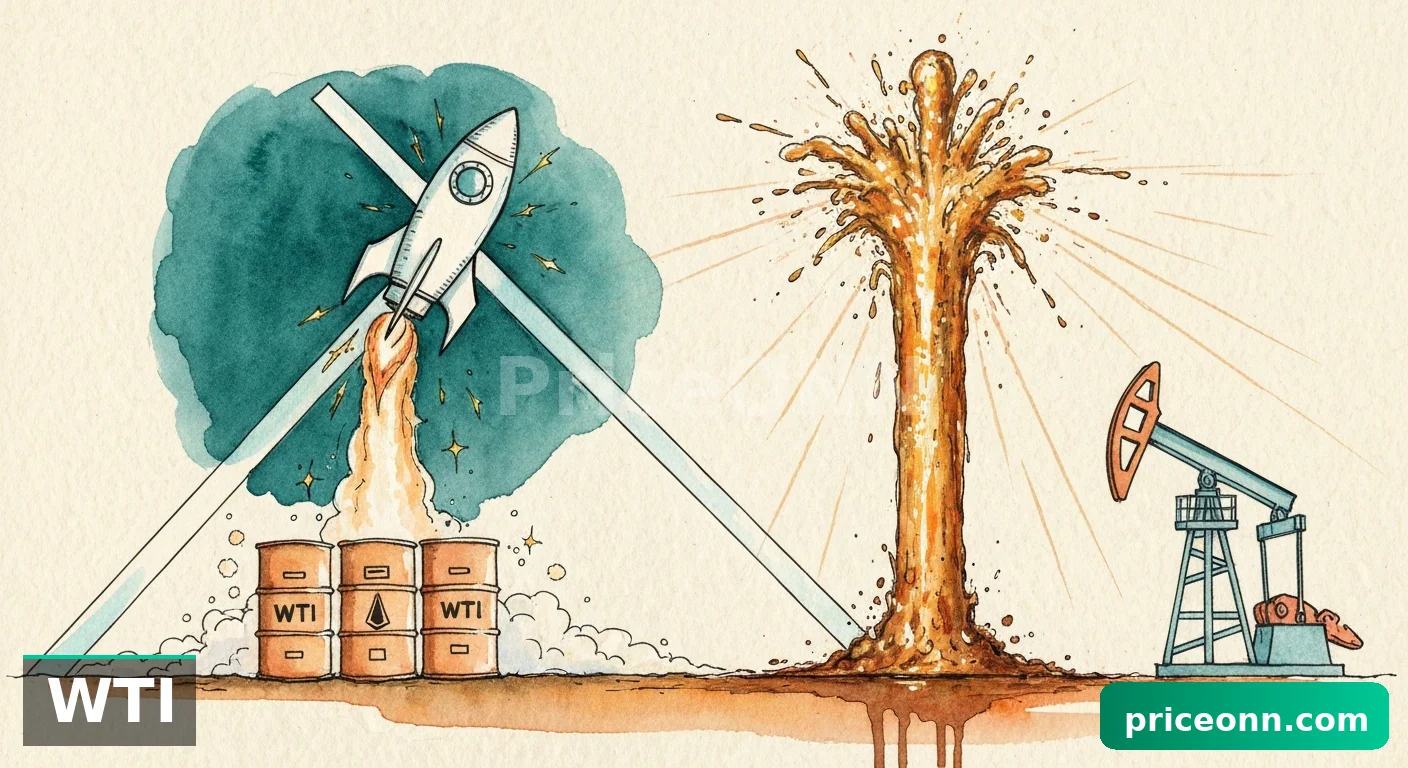
How can the world's largest crude oil producer find its drivers paying more at the pump due to distant geopolitical strife? For months, the United States has consistently produced over 13.6 million barrels of oil daily, a testament to its dominant position in global energy markets. Yet, the recent escalation of conflict in the Middle East has directly translated into a sharp increase in U.S. gasoline prices, a phenomenon that warrants a closer look at the intricate relationship between global crude markets and domestic fuel costs.
The primary driver behind this surge is straightforward: the cost of crude oil forms the single largest component of the final price consumers pay for gasoline. Over the past three weeks, coinciding with the outbreak of hostilities in the Middle East, crude oil prices have experienced a dramatic ascent, directly impacting the economics of fuel production.
Understanding the Demand and Supply Dynamics
Even with record domestic production levels, the U.S. still consumes more oil than it generates. Daily consumption figures exceed 20 million barrels, creating a persistent reliance on external supply. Furthermore, the picture is complicated by refinery specifications. A significant portion of U.S. refining infrastructure is optimized for heavier crude grades, types that the nation produces in less quantity and often needs to import.
This means that despite its impressive production output, the United States remains intrinsically linked to international crude oil pricing. When global benchmarks like Brent and WTI climb due to supply fears or geopolitical disruptions, the cost is inevitably passed on to American consumers at the gas station.
The Price Breakdown: Crude Oil's Dominant Role
Market data illustrates the profound impact of crude oil costs. As of January 2026, with gasoline averaging $2.81 per gallon, the crude oil component accounted for a substantial 51% of that price, according to the U.S. Energy Information Administration (EIA). While the percentage remains consistent, the recent 30% jump in crude prices has directly added over a dollar to the cost of a gallon of gasoline compared to pre-conflict levels.
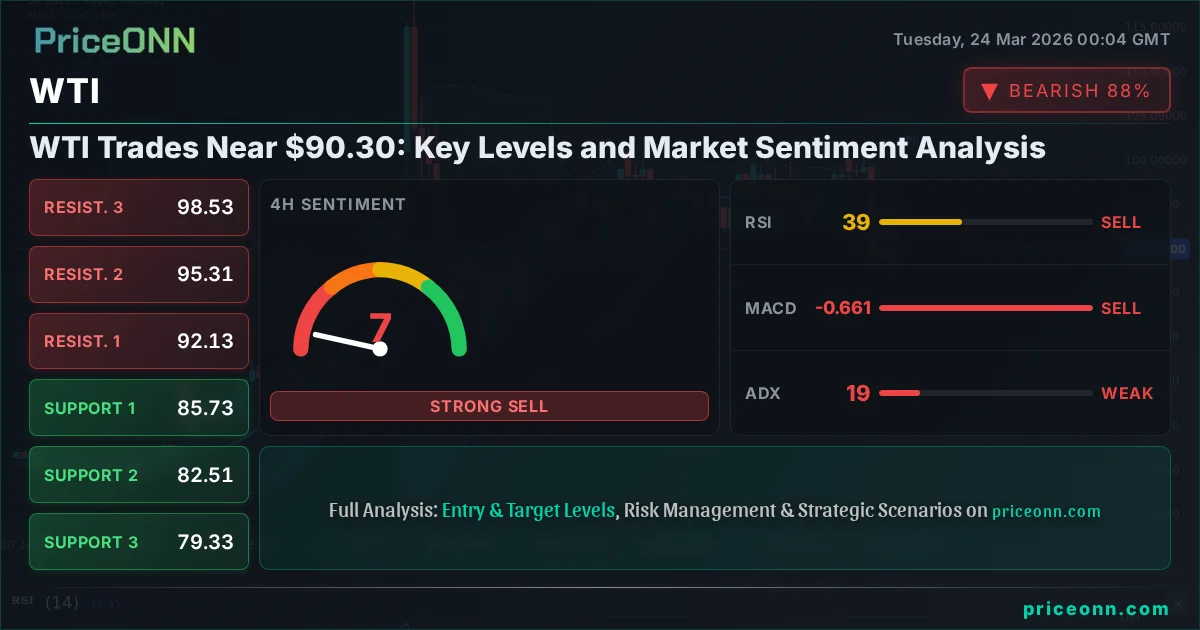
The U.S. benchmark, West Texas Intermediate (WTI) Crude, has seen its price leap from approximately $67 per barrel before the initial strikes on Iran in late February to as high as $99 per barrel. The international benchmark, Brent Crude, has experienced an even more pronounced rally, moving from around $73 per barrel just prior to the conflict's onset to trade above $112 per barrel.
While taxes represent about 18% of the gasoline price, any potential reduction in state or federal levies would offer only marginal relief compared to the significant upward pressure exerted by soaring crude oil prices. The national average for gasoline, which stood at $2.929 per gallon a month ago, has now surpassed $3.90 and is rapidly approaching the $4 per gallon threshold.
Global Chokepoints and Refining Realities
The closure of the Strait of Hormuz, a critical global oil transit route responsible for facilitating over 15% of global petroleum shipments, has further exacerbated the situation. This disruption directly inflates the price of available crude oil, particularly heavier grades not affected by the immediate transit issues. Data from GasBuddy reveals a stark shift: just three weeks ago, approximately 78% of gas stations offered fuel below $3 per gallon. Today, that figure has plummeted to a mere 0.7%.
Patrick De Haan, head of petroleum analysis at GasBuddy, anticipates the national average to breach $4 per gallon within the next 48 hours, a direct consequence of these supply chain pressures. The distinction between crude types is also crucial. While the U.S. is a net exporter of petroleum products, its refineries are heavily reliant on imported heavier crude grades. Nearly 70% of U.S. refining capacity operates most efficiently with these heavier crudes. Consequently, approximately 90% of the crude oil imported into the U.S. consists of heavier varieties than the shale crude produced domestically. This dependency ensures that even as the world's leading oil producer, U.S. fuel prices remain tethered to the volatile global crude market.
Market Ripple Effects
The current market scenario, characterized by escalating crude oil prices driven by Middle Eastern tensions, presents a complex picture for energy markets and broader financial instruments. The immediate impact is felt at the pump, but the ramifications extend further, influencing inflation expectations, central bank policy, and the performance of related assets.
Traders are closely monitoring several key areas. The price trajectory of WTI Crude and Brent Crude remains paramount, with any further escalations in the conflict potentially pushing these benchmarks higher. This price pressure on crude directly impacts the value of the US Dollar Index (DXY), as higher energy costs can influence inflation and potentially lead to different monetary policy responses from the Federal Reserve. Furthermore, the energy sector stocks, particularly integrated oil and gas companies, could see increased profitability, while transportation and consumer discretionary sectors might face headwinds due to higher operating and consumer costs.
The key risk for investors is the potential for sustained high energy prices to fuel broader inflation, complicating the fight against rising price levels and potentially forcing central banks into more aggressive tightening cycles than currently anticipated. Conversely, opportunities may arise in energy-related commodities and equities, provided the geopolitical risk premium remains elevated. Watching key technical levels on crude oil futures and the correlation between energy prices and inflation indicators will be critical in navigating this evolving landscape.
Track markets in real-time
Empower your investment decisions with AI-powered analysis, technical indicators and real-time price data.
Join Our Telegram Channel
Get breaking market news, AI analysis and trading signals delivered instantly to your Telegram.
Join Channel