
Why Are Indian Fuel Prices Stable Amid Soaring Global Oil Above $155?

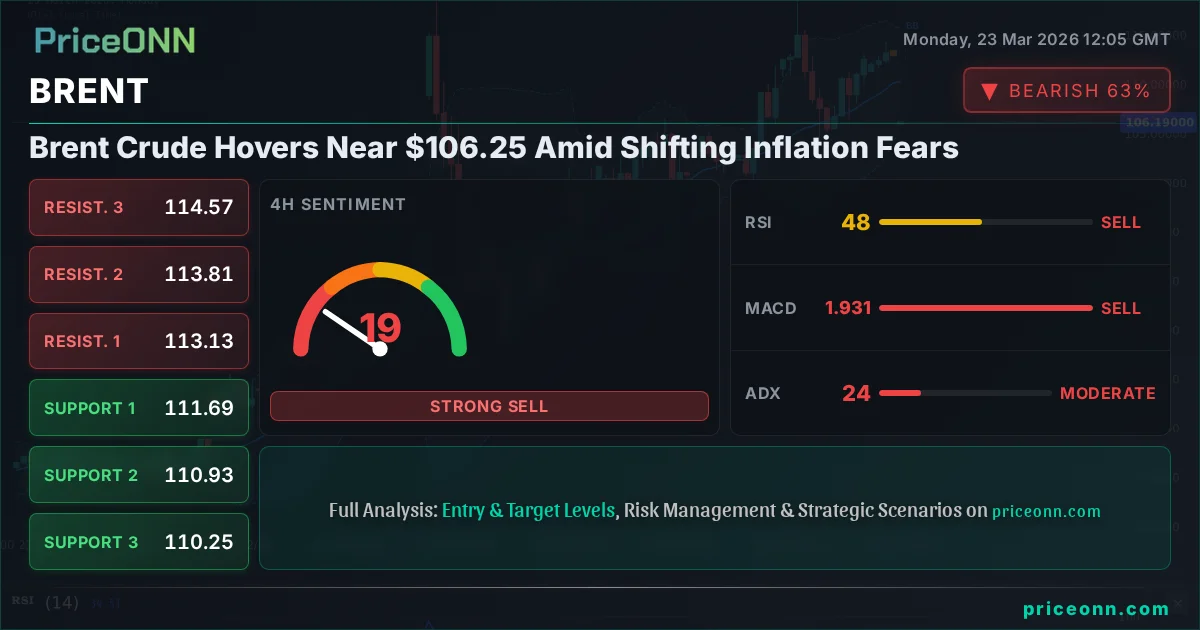
Indian fuel prices are holding steady at the pump, a stark contrast to the soaring global crude benchmarks. This domestic stability comes even as the country's specific oil basket price has surged to over $155 per barrel, a level that has outpaced Brent crude in a rare market development.
Market Context: Global Oil Volatility Hits India
The Indian oil basket settled at an elevated $156.29 per barrel on March 19, driven by escalating supply disruptions in the Middle East. This price surge represents an approximate 120% increase in the basket's value, putting significant pressure on the downstream energy sector. Despite assurances from Iran regarding passage through the Strait of Hormuz for Indian tankers, broader geopolitical tensions continue to fuel risk premiums and impact shipping routes.
Analysis & Drivers: Refiners Absorb the Shock
The decision by the Indian government to maintain stable retail fuel prices, despite the dramatic rise in imported crude costs, means that state-controlled and private refining entities are currently absorbing the financial burden. Industry executives indicate that this strategy is viable due to existing ample inventory levels, which should prevent immediate fuel shortages for consumers. However, this sustained cost absorption poses a significant challenge to refiner margins. The divergence between the Indian oil basket and Brent crude prices highlights the specific supply chain vulnerabilities India is currently navigating. While the Ministry of Petroleum and Natural Gas has emphasized proactive government steps to ensure supply chain resilience, the underlying market forces remain volatile.
Trader Implications: Monitoring Refiner Margins and Government Policy
Traders should closely monitor the financial health of Indian refiners, as sustained price caps against a backdrop of high crude costs could impact their profitability and operational decisions. Key levels to watch include the $155 per barrel mark for the Indian oil basket, which now acts as a critical indicator of import costs. Any shifts in geopolitical sentiment affecting Middle Eastern supply routes could rapidly alter this dynamic. Furthermore, the market will be watching for any potential government intervention or policy adjustments aimed at alleviating the pressure on refiners. For currency traders, the stability in domestic fuel prices, while global oil is high, could indirectly influence inflation expectations and monetary policy considerations for the Reserve Bank of India, potentially impacting INR crosses.
Outlook: A Tightrope Walk for India's Energy Sector
India's energy sector is currently walking a tightrope, balancing the need to shield consumers from price shocks with the economic realities of a high-cost import environment. The coming weeks will be crucial in determining the sustainability of this strategy. Any further escalation in Middle Eastern tensions or prolonged supply chain disruptions could force a reassessment of domestic fuel pricing. For now, the focus remains on inventory management and the resilience of the refining sector to absorb these elevated costs, with the $156.29 per barrel Indian oil basket price serving as a constant reminder of global market pressures.
Frequently Asked Questions
Why are Indian fuel prices not increasing when global oil is over $155?
Indian refiners are absorbing the higher costs of crude oil, which has seen their basket price reach $156.29 per barrel. This strategy is supported by ample inventory levels, preventing an immediate pass-through of costs to consumers.
What is the current price of the Indian oil basket compared to Brent crude?
The Indian oil basket price has surpassed Brent crude, reaching $156.29 per barrel on March 19. This is a rare occurrence driven by Middle Eastern supply disruptions.
What are the risks for Indian refiners if this situation continues?
Sustained high crude prices with capped retail fuel prices will significantly erode refiner margins. If the situation persists without government intervention, it could impact their profitability and potentially lead to future price adjustments.
Track markets in real-time
Empower your investment decisions with AI-powered analysis, technical indicators and real-time price data.
Join Our Telegram Channel
Get breaking market news, AI analysis and trading signals delivered instantly to your Telegram.
Join Channel


PriceONN