
Why Are US Gas Prices Climbing Despite Record Oil Production?
The paradox of record-high domestic crude oil production failing to shield American consumers from rising gasoline prices is a stark reminder of global energy market interconnectedness. For months, the United States has consistently pumped over 13.6 million barrels per day, solidifying its position as the leading global oil producer. However, the recent escalation of conflict in the Middle East has sent crude oil prices soaring, with direct repercussions felt at the U.S. gasoline pump.
Market Context: The Crude Oil Connection
The fundamental driver behind this surge is the overwhelming influence of crude oil costs on the final price of gasoline. Market data from January 2026 indicates that crude oil constituted approximately 51% of the average gasoline price of $2.81 per gallon. Over the past three weeks, coinciding with heightened geopolitical tensions in the Middle East, crude oil benchmarks have seen a significant ascent. This upward pressure on crude directly translates into higher refining costs and, consequently, higher prices for consumers.
Despite robust domestic production, the U.S. consumes more oil than it produces, with daily consumption exceeding 20 million barrels. This deficit necessitates reliance on global supply chains. Furthermore, a substantial portion of U.S. refining capacity is optimized for heavier crude grades, which the nation produces in smaller quantities, requiring imports. Therefore, even with impressive output, the U.S. remains intrinsically linked to international crude pricing dynamics. Disruptions or fears of supply shortages in key global regions inevitably impact domestic fuel costs.
Analysis & Drivers: Geopolitics and Strategic Reserves
The current volatility in oil markets is largely attributed to escalating military tensions in the Middle East, a region critical for global energy transit. The disruption of shipping routes, particularly through vital chokepoints like the Strait of Hormuz, which handles approximately 20% of global oil and LNG trade, exacerbates supply concerns. Analysts note that the current supply challenges are being described as exceeding the combined impact of historical events like the 1970s Arab oil embargo and the conflict in Ukraine.
In response to potential supply shocks, the International Energy Agency (IEA) has signaled its readiness to deploy further strategic reserves. Following an unprecedented coordinated release of 400 million barrels earlier in the month, IEA Executive Director Fatih Birol indicated a willingness to intervene again if market conditions necessitate. "If it is necessary, of course, we will do it," Birol stated, emphasizing a data-driven approach involving consultation with member nations. While such reserve releases can offer temporary market comfort, they are not a long-term solution to fundamental supply deficits.
Trader Implications: Watching Key Levels and Supply Signals
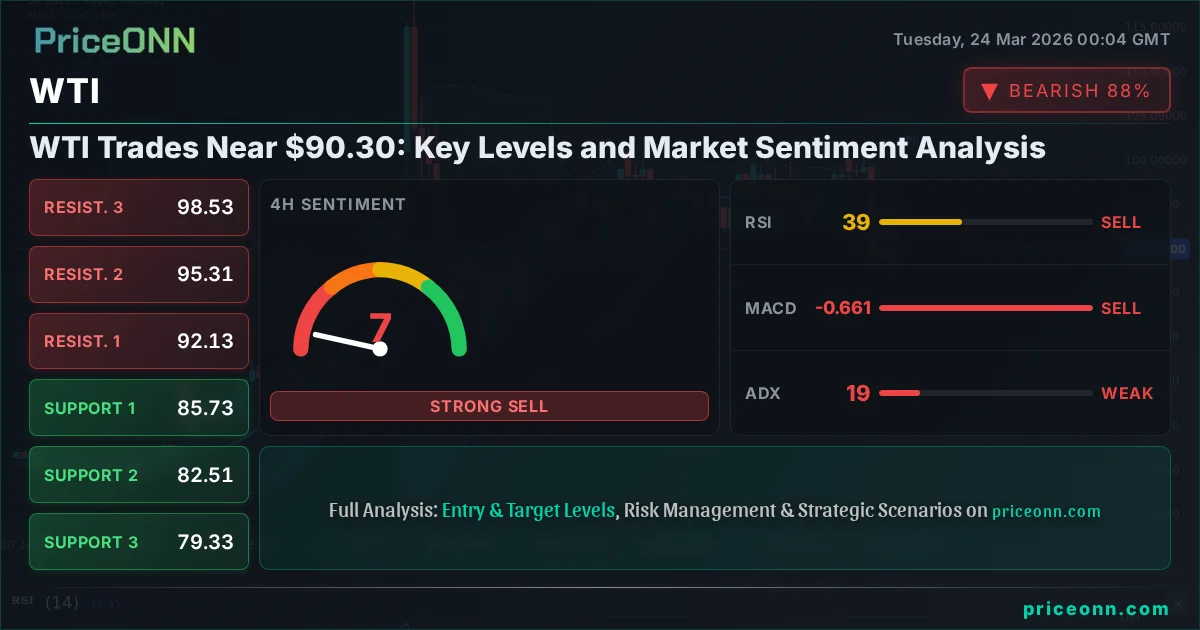
For traders, the current environment presents a complex interplay of geopolitical risk and potential supply interventions. Key levels to watch for West Texas Intermediate (WTI) and Brent crude oil will be crucial in determining short-term price direction. A sustained breach above recent resistance levels could signal further upside momentum driven by supply fears.
Conversely, any de-escalation of tensions in the Middle East or news of significant additional supply coming online could trigger sharp price pullbacks. Traders should closely monitor:
- Geopolitical developments in the Middle East and their impact on shipping routes.
- IEA statements and actions regarding strategic reserve levels.
- U.S. crude oil production and inventory reports.
- Refinery utilization rates and gasoline demand data.
The market remains sensitive to any news that could affect global supply. While U.S. production is robust, its ability to insulate domestic prices from international shocks is limited by consumption levels and refining specificities.
Outlook: A Volatile Path Ahead
The outlook for crude oil and gasoline prices remains decidedly volatile. Geopolitical risks in the Middle East show no immediate signs of abating, continuing to underpin crude oil prices. The IEA's potential for further intervention provides a safety net, but the underlying supply-demand balance is tight. Traders should prepare for continued price swings, with geopolitical headlines and inventory data likely to dominate market sentiment in the coming weeks. The persistent link between international crude prices and domestic gasoline costs means that consumers will likely continue to feel the pinch at the pump as long as global supply concerns persist.
Frequently Asked Questions
What is the main reason for the current rise in U.S. gasoline prices?
The primary driver is the surge in crude oil prices, which account for over 51% of the retail gasoline cost. This increase is largely due to escalating conflict in the Middle East, which has disrupted global supply expectations.
How much oil does the U.S. produce and consume daily?
The U.S. produces over 13.6 million barrels of crude oil per day but consumes more than 20 million barrels daily, making it reliant on global markets despite its production dominance.
Could the IEA release more oil to stabilize prices, and would it help?
Yes, the IEA has signaled readiness to release more oil from strategic reserves, having already coordinated the release of 400 million barrels. While it can provide temporary market relief, it is not a permanent solution to supply shortages.
Track markets in real-time
Empower your investment decisions with AI-powered analysis, technical indicators and real-time price data.
Join Our Telegram Channel
Get breaking market news, AI analysis and trading signals delivered instantly to your Telegram.
Join Channel
PriceONN