
Why Is India Holding Fuel Prices Steady Amid Soaring Global Oil Above $155?
India's domestic fuel prices have held firm, a stark contrast to the dramatic rise in global crude benchmarks, with its own oil basket reaching an eye-watering $156.29 per barrel on March 19. This unusual stability, reported by local media, signals that the nation's oil refiners are currently absorbing the increased costs, a move that has captured the attention of market watchers and financial analysts.
Market Context
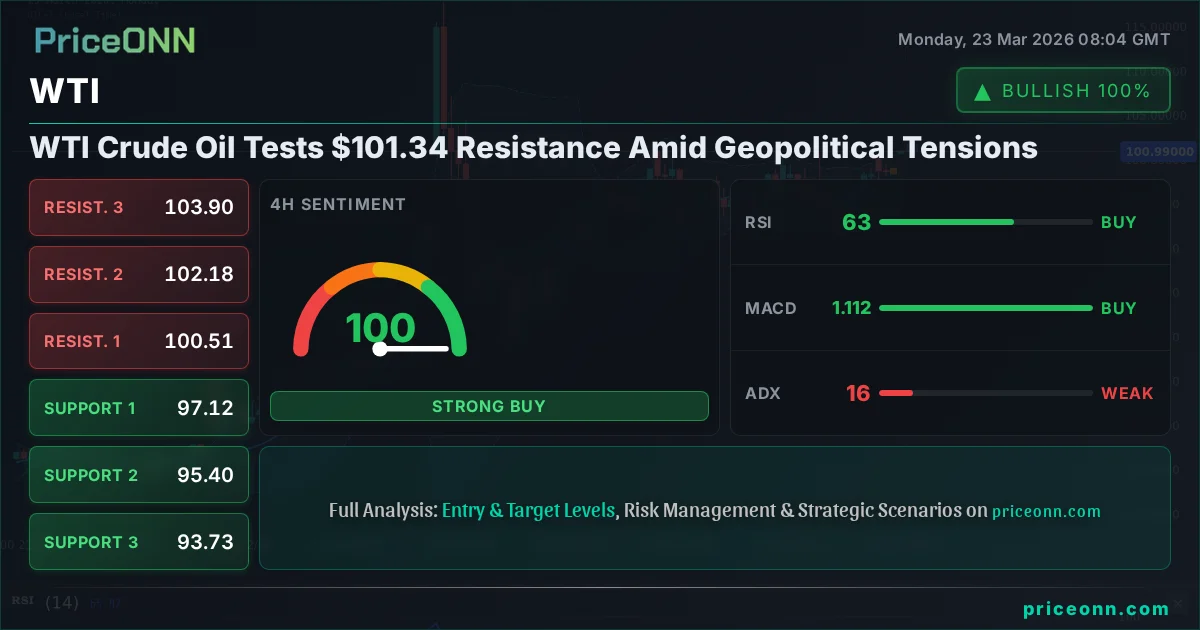
The current energy market landscape is heavily influenced by escalating geopolitical tensions in the Middle East, which have propelled Brent crude prices above the $100 per barrel mark. This instability has also impacted India's specific crude oil blend, pushing its basket price to a significant premium over Brent, a rare occurrence. On March 19, India's oil basket settled at $156.29 per barrel. Despite assurances from Iran regarding passage through the Strait of Hormuz for Indian tankers, broader supply chain disruptions continue to exert upward pressure on oil prices globally. Industry executives indicate that this surge represents approximately a 120% increase in the value of India's oil basket.
Analysis & Drivers
The primary driver for this divergence in pricing is the ongoing supply chain turbulence stemming from the Middle East. While Iran has stated it will permit Indian oil tankers through the Strait of Hormuz, the wider geopolitical climate continues to foster uncertainty and increased risk premiums for shipping. This has led to India's oil basket price eclipsing that of Brent crude. The decision by the Indian government to maintain static retail fuel prices means that state-controlled and private refining entities are currently shouldering the financial burden of these higher import costs. This strategy is reportedly supported by currently ample inventory levels, which suggest that immediate fuel shortages at the pump are unlikely. However, the sustainability of this approach hinges on the duration of elevated global oil prices and the government's willingness to continue subsidizing the difference.
Trader Implications
For traders, the situation presents a complex interplay of factors. The sustained high cost of crude oil globally, exemplified by Brent exceeding $100 per barrel, suggests ongoing inflationary pressures and potential support for oil prices in the short to medium term. However, India's domestic price freeze creates an artificial suppression of demand signals within the country. Traders should closely monitor inventory levels for Indian refiners and the government's fiscal position regarding potential subsidies. Any shift in this policy, or a significant drawdown of existing inventories, could lead to a sharp correction in domestic fuel prices, potentially impacting inflation figures and consumer spending. The strength of the US Dollar also remains a factor, as a stronger dollar typically makes dollar-denominated oil more expensive for non-dollar buyers.
Outlook
The immediate outlook suggests that Indian fuel prices will likely remain stable as long as government support and sufficient inventories persist. However, the underlying global oil market remains volatile, driven by geopolitical risks. Should the conflict in the Middle East intensify or spread, further price shocks to crude oil are probable, increasing the strain on India's current pricing strategy. Market participants will be watching for any official commentary from the Ministry of Petroleum and Natural Gas or signs of inventory depletion that could signal an impending price adjustment. The long-term stability of these prices is intrinsically linked to a de-escalation of regional conflicts and a normalization of global supply chains.
Frequently Asked Questions
What is the current price of India's oil basket?
As of March 19, India's oil basket settled at $156.29 per barrel, a level that has surpassed Brent crude due to supply disruptions in the Middle East.
Why are Indian fuel prices not increasing despite higher oil costs?
India's government has opted to keep domestic gasoline and diesel prices static, allowing oil refiners to absorb the increased costs. This strategy is supported by current ample inventory levels, preventing immediate price hikes at the pump.
What is the outlook for Indian fuel prices?
The outlook is for continued stability as long as government support and sufficient inventories remain. However, further escalation of Middle East tensions could pressure this strategy, potentially leading to future price adjustments.
Track markets in real-time
Empower your investment decisions with AI-powered analysis, technical indicators and real-time price data.
Join Our Telegram Channel
Get breaking market news, AI analysis and trading signals delivered instantly to your Telegram.
Join Channel

PriceONN