
Why Did WTI Crude Dip Below $98 After US Eases Venezuela Sanctions?
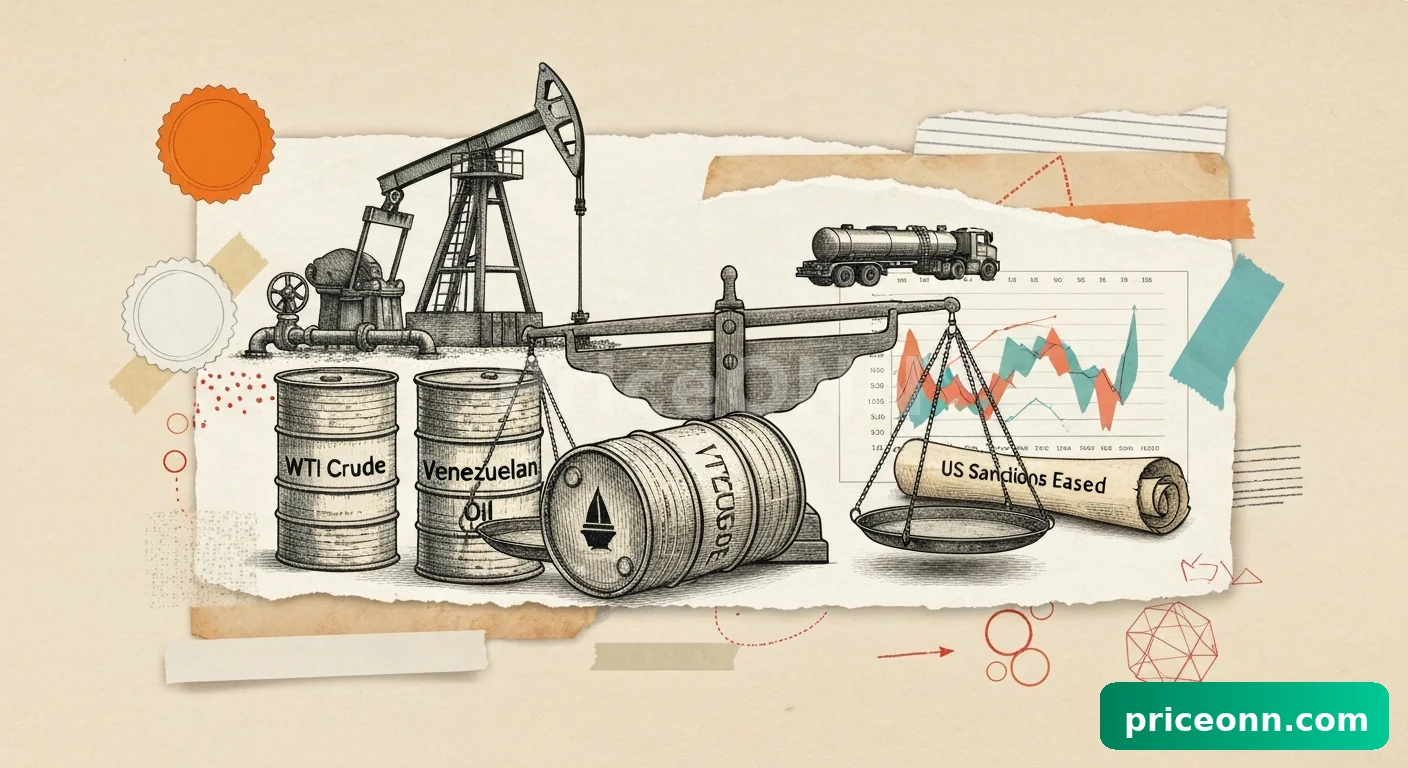
West Texas Intermediate (WTI) crude oil prices saw a minor pullback in early Asian trading on Thursday, settling just below the significant $98 per barrel mark. This pause follows a two-day rally and appears directly linked to a recent U.S. policy adjustment that allows specific trade with Venezuela's state-owned oil enterprise.
Market Context
The benchmark WTI contract, a key indicator for global energy markets, shed its recent gains. WTI, known for its 'light' and 'sweet' crude characteristics, is highly valued for its ease of refining. While prices had been climbing, the news of the U.S. easing some restrictions on Venezuelan oil trade introduced a note of caution for traders. This development could potentially influence future supply dynamics, prompting a reassessment of market sentiment. The price of WTI is intrinsically tied to the balance of global supply and demand, influenced by economic growth, geopolitical stability, and the output decisions of major producers.
Analysis & Drivers
The primary driver for the recent price dip is the U.S. government's decision to permit certain trade activities with Venezuela's state oil company. While the specifics of the permitted trade are still being evaluated, the mere allowance of such activities signals a potential, albeit gradual, increase in global oil supply. This contrasts with earlier concerns about supply disruptions, such as the closure of the Strait of Hormuz due to the U.S.-Israel conflict with Iran, which had previously supported higher prices. Reports indicated that Iraq had resumed oil exports from northern Kirkuk province at a rate of up to 250,000 barrels per day, further easing supply anxieties. The market is now weighing these potential increases in supply against ongoing geopolitical risks and the fundamental demand picture. Analysts note that the market remains sensitive to any news that could alter the delicate balance between available crude and global consumption needs.
Trader Implications
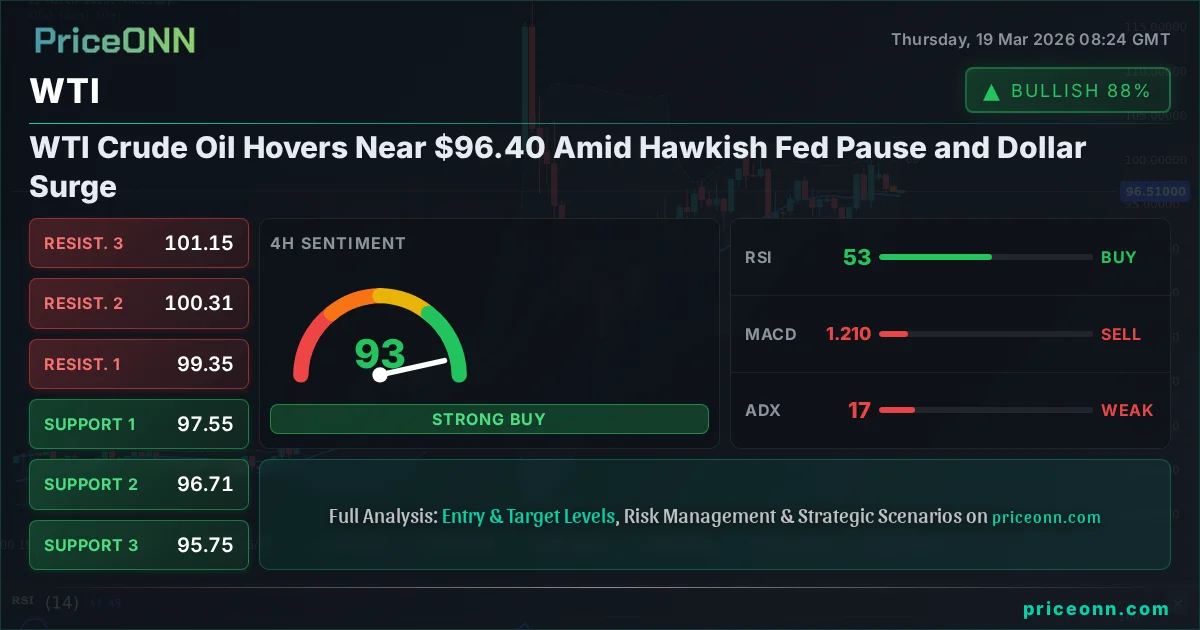
For traders, this policy shift necessitates a careful monitoring of Venezuelan production levels and the actual impact of the U.S. permit. Key levels to watch for WTI include the immediate support around $97.00 and the psychological resistance at $98.00. A sustained break below $97.00 could signal further downside pressure, while a decisive move above $98.00 might indicate a renewed bullish sentiment. The broader implications involve reassessment of the risk premium associated with geopolitical tensions in the Middle East. Traders should also keep an eye on inventory reports and statements from OPEC+ regarding production adjustments. The U.S. dollar's strength also remains a factor, as a stronger dollar typically puts downward pressure on dollar-denominated commodities like oil.
Outlook
The outlook for WTI remains uncertain as the market digests the implications of eased Venezuelan sanctions and ongoing supply dynamics from other regions. While the recent geopolitical tensions had provided a floor for prices, the U.S. policy adjustment introduces a potential counterbalancing factor. Traders should anticipate continued volatility as market participants assess these competing forces. Upcoming economic data releases and any further statements from the U.S. administration regarding energy policy will be critical in shaping the near-term price direction. The market will likely remain sensitive to any news that could either significantly boost or curtail global oil supply.
Frequently Asked Questions
What is the current price level for WTI crude oil?
As of Thursday's Asian trading hours, West Texas Intermediate (WTI) crude oil was trading just below the $98 per barrel mark, specifically around $97.80, following a period of gains.
How does the U.S. policy on Venezuela affect oil prices?
The U.S. decision to permit certain trade with Venezuela's state oil firm could potentially increase global supply, introducing downward pressure on prices. This is occurring while Iraq has resumed exports of up to 250,000 barrels per day.
What are the key price levels traders should watch for WTI?
Traders should closely monitor the immediate support level for WTI at $97.00 and the resistance at $98.00. A break below $97.00 could suggest further declines, while a move above $98.00 might indicate renewed bullish momentum.
Track markets in real-time
Empower your investment decisions with AI-powered analysis, technical indicators and real-time price data.
Join Our Telegram Channel
Get breaking market news, AI analysis and trading signals delivered instantly to your Telegram.
Join Channel



PriceONN