
Why Oil Prices Are Soaring Past $90 and What It Means for Your Wallet

Oil prices have experienced a dramatic surge in March, with Brent crude futures for May delivery climbing more than 55% and U.S. benchmark prices up by a substantial 49% month-to-date. This significant price escalation is not just a fleeting market fluctuation but a response to heightened geopolitical tensions that are impacting global supply dynamics, particularly concerning the Strait of Hormuz.
Market Context
The current oil market rally is largely fueled by concerns over supply disruptions stemming from ongoing geopolitical conflicts. The Strait of Hormuz, a critical chokepoint for global oil transit, remains a focal point of anxiety. Any perceived threat or actual disruption in this vital waterway can lead to sharp increases in crude prices due to the immediate impact on supply. Market data shows that this sustained upward pressure is leading major corporations to re-evaluate their operational costs, anticipating that higher oil prices will become a persistent feature of the economic landscape rather than a temporary anomaly. This strategic shift means the economic repercussions will extend far beyond the familiar expense at the gasoline pump.
Analysis & Drivers
The primary driver behind the current oil price surge is the escalating geopolitical instability. The conflict involving Iran and the potential for disruptions along key shipping routes, such as the Strait of Hormuz, are creating significant upward pressure on crude benchmarks. Analysts note that the market is pricing in a higher risk premium, reflecting the uncertainty surrounding future supply availability. This situation is forcing a recalibration across various industries. For instance, the U.S. Postal Service has indicated plans to implement a temporary 8% surcharge on package and express mail deliveries, citing increased operational expenses due to higher fuel costs. This proposed adjustment, if approved, is expected to take effect in late April and could persist into early 2027. The aviation sector is also feeling the immediate effects, with airlines beginning to factor these increased costs into their operations.
Trader Implications
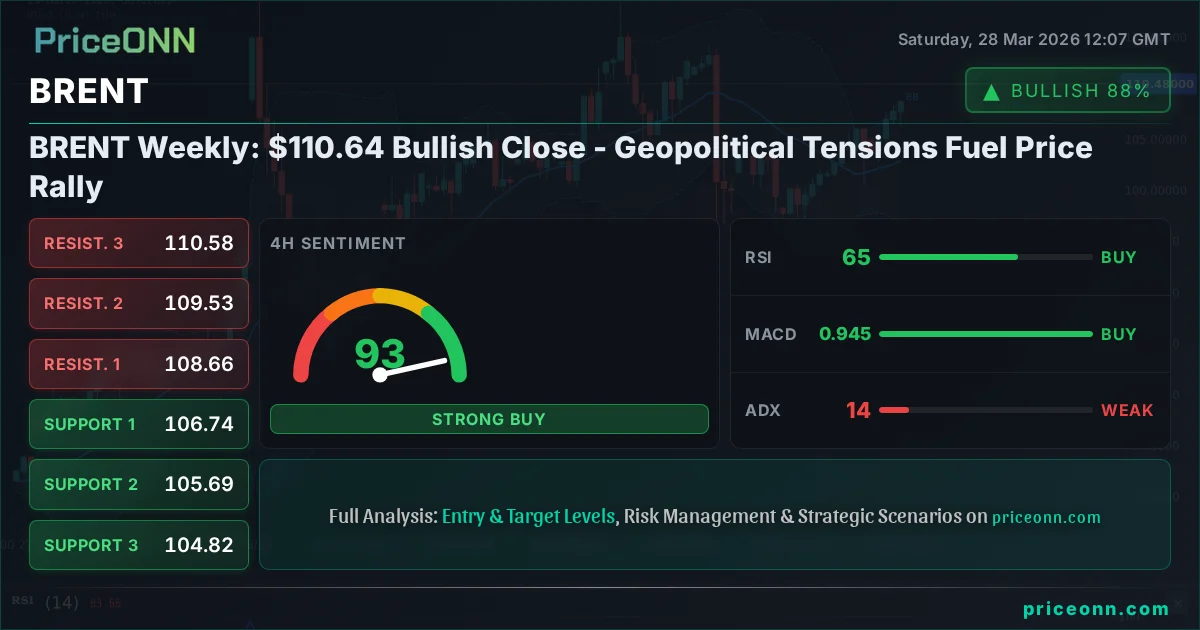
Traders should closely monitor the geopolitical developments impacting the Middle East and key oil transit routes. Sustained tensions or any escalation could lead to further price increases for crude oil. Key support levels for WTI crude are currently seen around the $80 per barrel mark, while resistance could emerge near the $95 per barrel level. A decisive break above the latter could signal a continuation of the upward trend. Conversely, any de-escalation in geopolitical rhetoric or a resolution to supply concerns could trigger a sharp pullback. Investors should also watch for further announcements from transportation and logistics companies regarding surcharges or price adjustments, as these will reflect the real-world impact of elevated energy costs on consumer spending and corporate profitability. The current market sentiment is bullish for oil, but extreme volatility remains a significant risk factor.
Outlook
The outlook for oil prices remains cautiously optimistic for producers and bearish for consumers in the short to medium term, contingent on the geopolitical climate. If supply concerns persist, Brent crude could continue its ascent, potentially testing higher psychological levels. However, a significant increase in non-OPEC+ supply or a rapid diplomatic resolution could temper these gains. Traders should remain vigilant for economic data releases that might signal a slowdown in global demand, which could counteract supply-side pressures. The trend of increased costs being passed on to consumers is likely to continue across various service sectors as companies adapt to the new energy cost reality.
Frequently Asked Questions
What is causing the current spike in oil prices?
The primary driver is heightened geopolitical tension, particularly concerning supply routes like the Strait of Hormuz. This has led to Brent crude futures rising over 55% in March, pushing prices beyond $90 per barrel.
How will higher oil prices affect consumers beyond gasoline costs?
Consumers will likely face increased costs for delivered goods and services. For example, the USPS is proposing an 8% surcharge on package deliveries due to elevated fuel expenses, a trend likely to be mirrored by other logistics companies.
What are the key price levels to watch for crude oil?
Traders should monitor support around $80 per barrel for WTI crude. A break above the $95 per barrel resistance level could signal further upside, while a failure to hold support might lead to a correction.
Track markets in real-time
Empower your investment decisions with AI-powered analysis, technical indicators and real-time price data.
Join Our Telegram Channel
Get breaking market news, AI analysis and trading signals delivered instantly to your Telegram.
Join Channel


PriceONN