
Why Sinopec Is Shunning Iranian Crude Despite U.S. Waiver

Despite a recent U.S. Treasury Department waiver that permits the import of Iranian crude loaded onto tankers as of March 20, China's state oil giant Sinopec has indicated it will not be buying Iranian oil. A senior executive from the company, officially known as China Petroleum & Chemical Corporation, cited the weighing of potential risks associated with Iranian oil trade as the primary reason for this decision, stating the company "basically won't buy" the commodity.
Market Context
The U.S. Treasury's Office of Foreign Assets Control (OFAC) issued a general license that effectively authorizes imports of Iranian crude loaded by March 20, through April 19. This move by the U.S. administration appears to be an attempt to alleviate pressure on soaring oil prices. While the waiver opens a temporary window for such trade, major state-controlled refiners in China, unlike independent processors, have historically avoided Iranian crude to steer clear of U.S. sanctions. These independent refiners, often termed 'teapots', have been the primary recipients of Iranian oil in recent years, drawn by significantly lower prices offered for sanctioned barrels, which often involved complex and clandestine shipping arrangements. However, Sinopec's decision signals a continued cautious approach from larger, state-backed entities.
Analysis & Drivers
The primary driver behind Sinopec's stance appears to be a strategic risk assessment. While the U.S. waiver provides a short-term authorization, the broader geopolitical landscape and the potential for future sanctions or trade disruptions likely outweigh the immediate price advantage of Iranian crude. For years, Chinese state refiners have prioritized compliance with U.S. regulations to maintain access to the global financial system and avoid secondary sanctions. This adherence to established trade norms, even when presented with a temporary exemption, underscores the significant influence of U.S. foreign policy on major energy consumers. Furthermore, Sinopec is reportedly seeking authorization to access China's strategic petroleum reserves, suggesting an internal strategy to manage supply without resorting to high-risk sources like Iranian oil.
Trader Implications
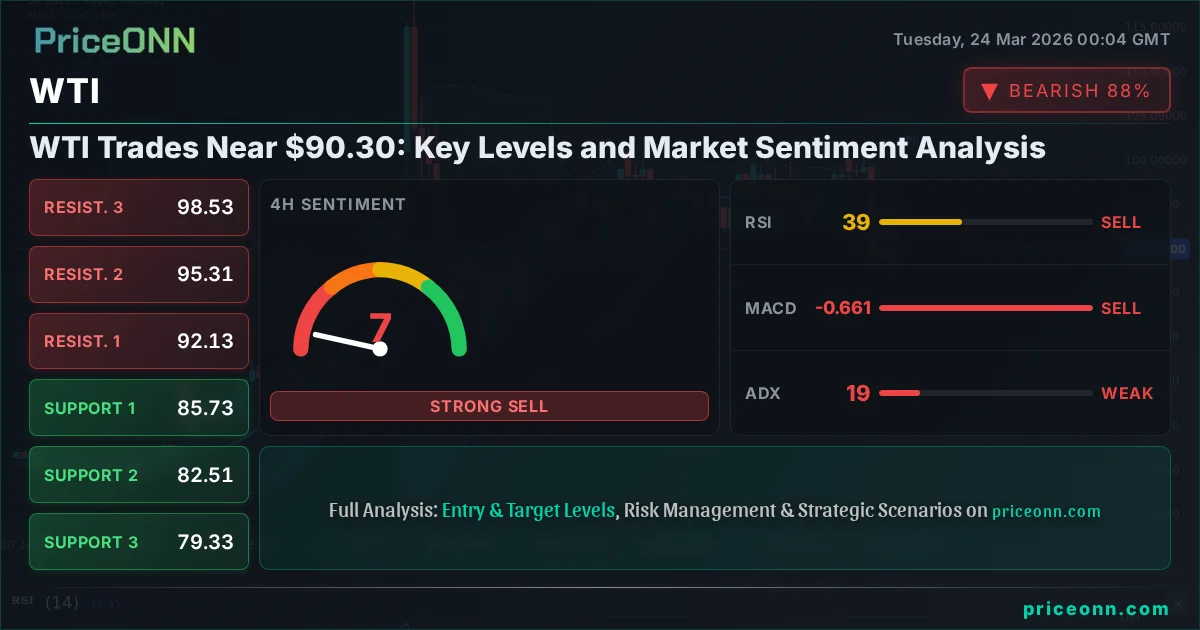
Sinopec's refusal to engage with Iranian crude, even under a U.S. waiver, reinforces the premium placed on sanctioned-free supply chains. Traders should monitor if other major state-owned refiners in Asia adopt a similar cautious approach. This decision could lead to increased demand for crude from alternative, less politically charged suppliers, potentially supporting prices for benchmarks like Brent and WTI. Key levels to watch include the $80 per barrel mark for Brent Crude, which has seen volatility, and the $75 per barrel level for WTI. Any significant shift in Sinopec's sourcing strategy or a broader move by Chinese state refiners to avoid Iranian oil could create upward pressure on global oil prices, particularly if geopolitical tensions in the Middle East escalate.
Outlook
Looking ahead, the market will be watching closely to see if Sinopec's decision influences other major Asian buyers. The sustained avoidance of Iranian crude by significant state players could lead to a more concentrated demand for oil from producers like Saudi Arabia, Russia (from non-sanctioned flows), and other OPEC+ members. While the U.S. waiver offers a temporary reprieve, the underlying risks associated with Iranian oil trade remain, suggesting that prices may find continued support from supply-side caution. Traders should remain attuned to geopolitical developments and any further pronouncements from major refiners regarding their sourcing strategies.
Frequently Asked Questions
Will Sinopec ever buy Iranian crude oil?
Sinopec has stated it "basically won't buy" Iranian crude due to risk assessment, despite a U.S. waiver. Unless geopolitical risks significantly diminish and U.S. policy shifts dramatically, it is unlikely Sinopec will resume purchases in the near to medium term.
What impact does this have on global oil prices?
Sinopec's decision removes a potential buyer from the market for Iranian crude, potentially increasing demand for oil from other sources. This could offer support to prices, with key benchmarks like Brent Crude aiming to hold above $80 per barrel.
What are the risks Sinopec is considering with Iranian oil?
The primary risks likely involve potential future U.S. sanctions, secondary sanctions impacting Sinopec's global operations, and the reputational damage of engaging in trade with a sanctioned entity. These risks are considered more significant than the immediate price advantage of Iranian oil.
Track markets in real-time
Empower your investment decisions with AI-powered analysis, technical indicators and real-time price data.
Join Our Telegram Channel
Get breaking market news, AI analysis and trading signals delivered instantly to your Telegram.
Join Channel
PriceONN