
Will Oil Prices Break $100 as Iran Ultimatum Sparks Supply Fears?
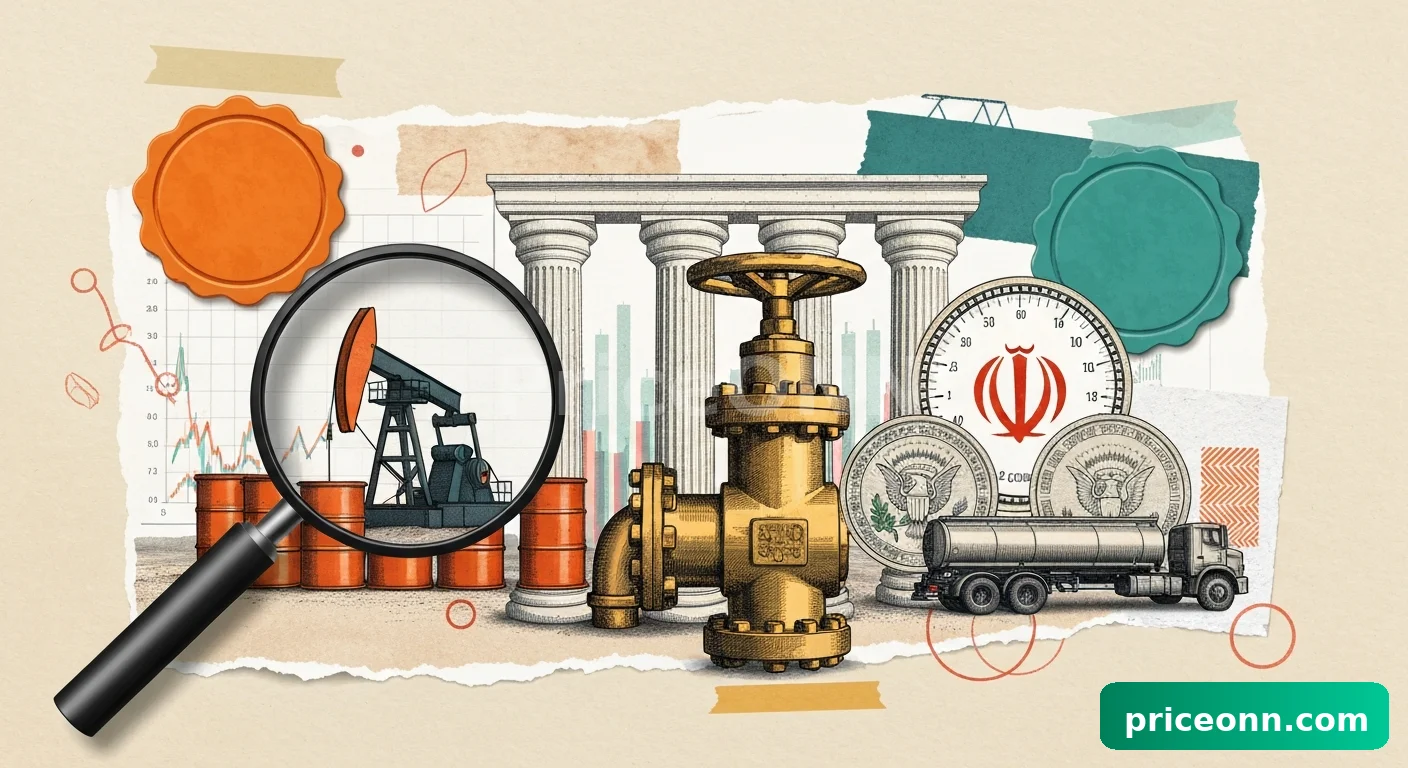
West Texas Intermediate (WTI) crude has surged past $99.00, trading around $99.10 in early European hours on Monday, as Middle East tensions escalate following a stark ultimatum issued by the US to Iran.
Market Context
Oil markets commenced the trading week with prices holding firm, perched near multi-year peaks during early Asian sessions on Monday. This stability, however, belies a rapidly intensifying geopolitical situation between the United States and Iran that unfolded over the preceding weekend. As of this report, WTI crude registered at $98.61 per barrel, reflecting a modest 0.39% uptick, while Brent crude saw a slight dip to trade at $111.90. Beneath this veneer of calm, a palpable sense of unease pervades trading floors, with participants bracing for a potentially turbulent trading period.
Analysis & Drivers
The primary catalyst for this heightened alert is a stark warning issued late Saturday by President Trump, demanding the immediate and complete reopening of the Strait of Hormuz within 48 hours, threatening severe repercussions. Iran's response was swift and equally forceful, signaling that any aggression against its energy infrastructure would provoke retaliatory strikes. This direct ultimatum, with its expiration set for late Monday U.S. time, is poised to inject substantial volatility into oil prices. The potential for further regional escalation is now a primary concern for market participants.
Adding to the supply side concerns, Goldman Sachs commodity analysts have significantly raised their 2026 price forecasts. They now anticipate Brent crude averaging $85 per barrel and WTI averaging $79 per barrel, up from previous estimates of $77 and $72 respectively. These adjustments reflect growing concerns over the stability of global oil flows, with projections of a peak daily supply loss potentially reaching an astounding 17 million barrels should tensions escalate further. The firm factors in a projected six-week disruption to tanker traffic in the Strait of Hormuz, followed by a gradual recovery.
Trader Implications
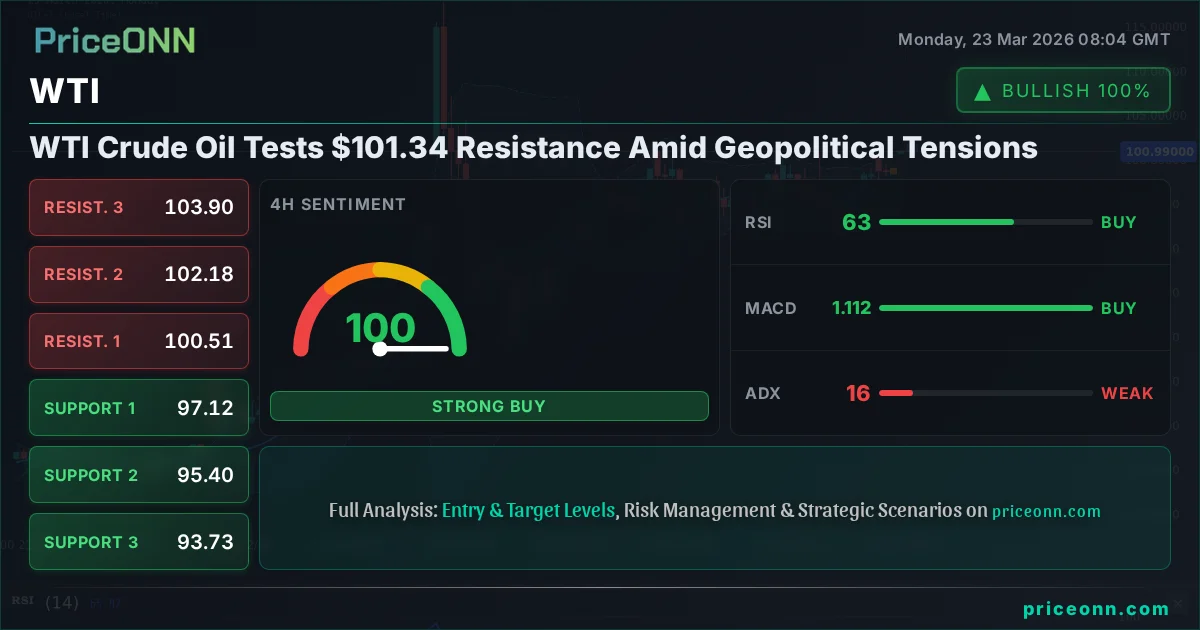
Traders should brace for heightened volatility as the Iran ultimatum deadline approaches. Key levels to watch for WTI are the immediate resistance around $99.50 and the psychological barrier at $100.00. On the downside, support can be found near the $98.00 mark. For Brent crude, the $112.50 level is a near-term pivot point, with resistance at $113.00 and support at $111.00.
The risk of a supply disruption is now the dominant factor, overshadowing macroeconomic data for the immediate term. Any military action or significant escalation in rhetoric could trigger a sharp upward move in prices. Conversely, a de-escalation or a surprise compliance from Iran might lead to a swift correction. Given the potential for rapid price swings, risk management is paramount. Traders may consider strategies that benefit from increased volatility or focus on shorter-term directional bets.
Outlook
The coming days will be critical for oil markets. The expiration of the US ultimatum to Iran and the potential for military action or further diplomatic maneuvers will dictate the immediate price direction. While Goldman Sachs has revised its forecasts upward, suggesting a bullish bias for the year, the short-term outlook remains heavily dependent on geopolitical developments in the Middle East. Market sentiment is currently tilted towards risk-off, supporting higher oil prices, but this could shift rapidly with news flow.
Frequently Asked Questions
What is the current price of WTI crude oil?
As of early European trading on Monday, West Texas Intermediate (WTI) crude oil was trading around $99.10 per barrel, having climbed above the $99.00 level amid escalating Middle East tensions.
What is Goldman Sachs' new oil price forecast for 2026?
Goldman Sachs has updated its 2026 forecast, now expecting Brent crude to average $85 per barrel and WTI crude to average $79 per barrel, reflecting increased supply disruption concerns.
What are the key risks for oil prices in the near term?
The primary near-term risk is geopolitical escalation between the US and Iran, particularly concerning the Strait of Hormuz. A potential daily supply loss of up to 17 million barrels could significantly impact prices.
Track markets in real-time
Empower your investment decisions with AI-powered analysis, technical indicators and real-time price data.
Join Our Telegram Channel
Get breaking market news, AI analysis and trading signals delivered instantly to your Telegram.
Join Channel
PriceONN