
EURUSD: Доллар укрепляется, пара отступает к $1.14 – ждем данных по инфляции
EURUSD снижается к $1.14 на фоне укрепления доллара, вызванного геополитической напряженностью и ростом доходности. Все внимание приковано к предстоящим данным по инфляции, которые могут определить дальнейшее движение пары. Анализ евро доллар сегодня.

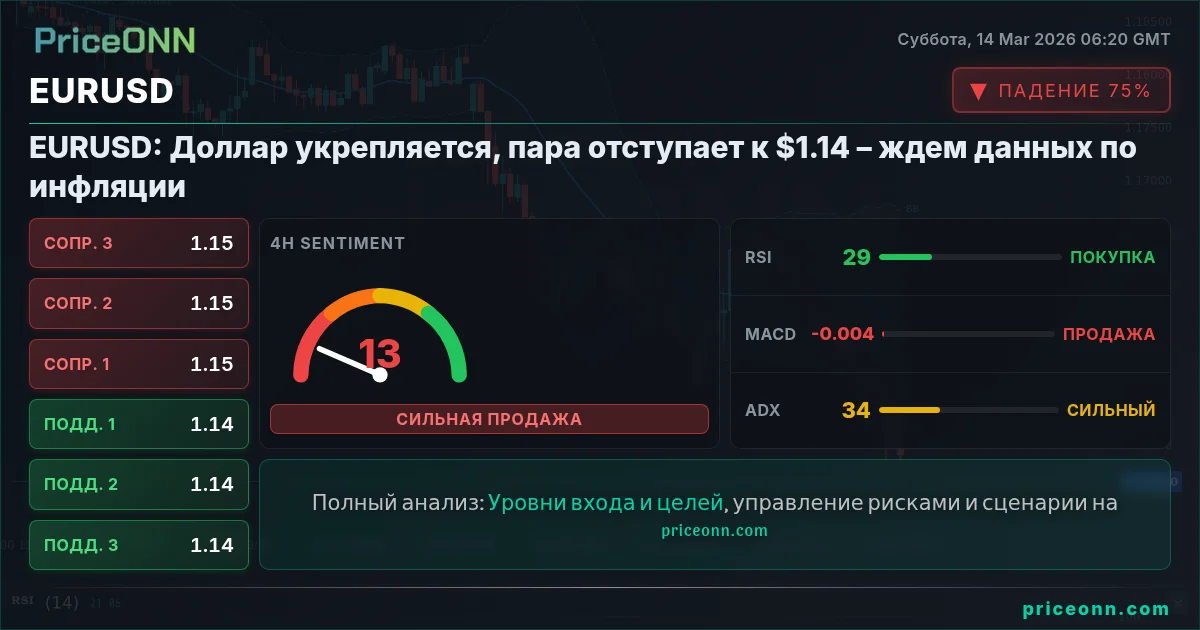
Пара EURUSD находится под давлением и торгуется вблизи $1.14, поскольку доллар укрепляется на фоне эскалации геополитической напряженности и расхождения в политике центральных банков. Укрепление доллара, отраженное в росте индекса DXY до 100.2, оказывает сильное давление на пару. Инвесторы с нетерпением ожидают публикации данных по инфляции, которые могут дать дальнейшие подсказки о будущем направлении денежно-кредитной политики и оказать значительное влияние на EURUSD. Анализ евро доллар сегодня показывает повышенную волатильность.
- EURUSD падает до $1.14, поскольку индекс доллара (DXY) растет до 100.2, усиливая давление на пару.
- Ключевой уровень поддержки на 1.14185 должен удержаться, чтобы предотвратить дальнейшее снижение, согласно анализу 4H.
- RSI на уровне 23.59 на дневном графике указывает на условия перепроданности, что предполагает потенциальный краткосрочный отскок.
- Предстоящая публикация данных по инфляции в среду является критическим катализатором, который может вызвать значительную волатильность в EURUSD.
На прошлой неделе EURUSD находилась под постоянным давлением и в конечном итоге закрылась вблизи $1.14, уровня, невиданного в течение нескольких месяцев. Это снижение было вызвано главным образом возобновлением силы доллара, обусловленным сочетанием факторов, включая рост доходности казначейских облигаций и спрос на активы-убежища на фоне эскалации напряженности на Ближнем Востоке. Как сообщает PriceONN, сила доллара была постоянной темой, подталкивающей EURUSD к многомесячным минимумам. Неспособность пары удержать ралли выше отметки 1.15 еще больше подчеркивает преобладающие медвежьи настроения.
С макроэкономической точки зрения, слабость EURUSD можно объяснить расхождением экономических перспектив между Соединенными Штатами и Еврозоной. Экономика США продолжает демонстрировать устойчивость, поддерживаемую надежными данными по занятости и устойчивым инфляционным давлением, о чем свидетельствуют недавние события, оказавшие большое влияние. Это привело к ожиданиям более ястребиной позиции Федеральной резервной системы, при этом аналитики закладывают в цены дальнейшее повышение процентных ставок в течение года. И наоборот, экономика Еврозоны сталкивается со значительными препятствиями, включая высокие цены на энергоносители, перебои в цепочках поставок и продолжающийся конфликт в Украине. Европейский центральный банк (ЕЦБ) борется с задачей сбалансирования контроля над инфляцией с необходимостью поддержки экономического роста, что приводит к более осторожному подходу к ужесточению денежно-кредитной политики.
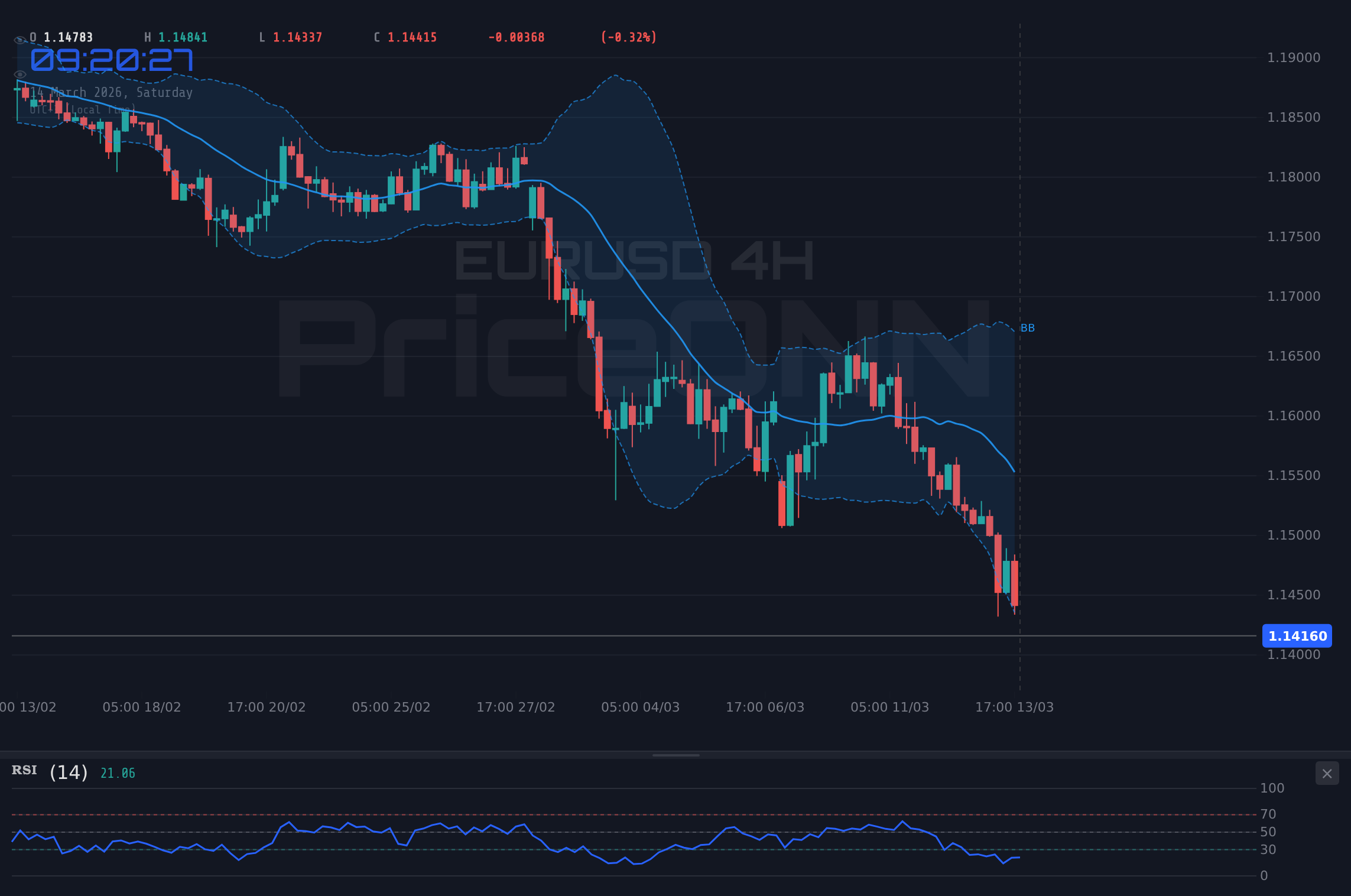
Рост цен на нефть, при этом нефть марки Brent в настоящее время торгуется около $103.82, усиливает инфляционное давление как в США, так и в Еврозоне. Однако воздействие, вероятно, будет более выраженным в Европе, учитывая ее большую зависимость от импортируемой энергии. Это может еще больше увеличить экономическое расхождение между двумя регионами, оказывая дополнительное понижательное давление на EURUSD. Рост цен на нефть также увеличивает затраты на сырье для предприятий, что потенциально замедляет экономический рост и усиливает опасения по поводу стагфляции. По данным Reuters, представители ФРС внимательно следят за «липкостью» инфляции, которая повлияет на их решения о повышении ставок.
С технической точки зрения, дневной график EURUSD рисует медвежий сценарий. Пара торгуется ниже своей 200-дневной скользящей средней, а гистограмма MACD демонстрирует отрицательный импульс. Индекс относительной силы (RSI) на уровне 23.59 указывает на условия перепроданности, предполагая, что пара может быть готова к краткосрочному отскоку. Однако общая тенденция остается нисходящей, и любые ралли, вероятно, встретят сопротивление. Ключевые уровни сопротивления, за которыми следует следить, - 1.14412, 1.14473 и 1.14524, а поддержка находится на уровнях 1.143, 1.14249 и 1.14188. Прорыв ниже уровня 1.14188 может открыть дверь для дальнейшего снижения к 1.14.
На 4-часовом таймфрейме EURUSD также демонстрирует медвежьи сигналы. Цена торгуется ниже 50-периодной и 200-периодной скользящих средних, а осциллятор Stochastic, с K=18.68 и D=9.34, находится в зоне перепроданности. ADX на уровне 32.2 указывает на сильный нисходящий тренд. Немедленную поддержку можно найти около 1.14185, а более сильную поддержку - на уровне 1.14349. Сопротивление наблюдается на уровне 1.14947. Прорыв выше 1.14947 сведет на нет медвежий прогноз, но на данный момент путь наименьшего сопротивления, по-видимому, лежит в направлении снижения.
1-часовой график подтверждает медвежьи настроения. RSI на уровне 23.05 находится в глубокой зоне перепроданности. ADX показывает 41.97, подтверждая сильный нисходящий тренд. Осциллятор Stochastic показывает K=8.21 и D=25.03. Немедленное сопротивление находится на уровне 1.14412, а поддержка - на уровне 1.14188. Таким образом, технические индикаторы согласуются с фундаментальным фоном, усиливая медвежий прогноз для EURUSD.
Направление EURUSD на предстоящей неделе, вероятно, будет зависеть от предстоящих данных по инфляции. Более высокое, чем ожидалось, значение может усилить ожидания более агрессивного цикла ужесточения ФРС, что еще больше укрепит доллар и подтолкнет EURUSD вниз. И наоборот, более слабое, чем ожидалось, значение может ослабить опасения по поводу инфляции и побудить ФРС занять более голубиную позицию, что потенциально может вызвать облегчение ралли в EURUSD. Инвесторы также будут внимательно следить за комментариями представителей ФРС и ЕЦБ, чтобы получить дальнейшие подсказки о будущем направлении денежно-кредитной политики. Данные по еврозоне, которые будут опубликованы в среду, также будут внимательно отслеживаться.
Учитывая текущие технические и фундаментальные перспективы, трейдерам следует сохранять осторожность и соответствующим образом управлять своими рисками. Трейдеры с медвежьим уклоном могут искать возможности для продажи EURUSD на ралли к уровням сопротивления, в то время как трейдеры с бычьим уклоном могут дождаться устойчивого прорыва выше 1.14947, прежде чем рассматривать длинные позиции. Похоже, что здесь будет вознаграждено терпение. Управляйте своим риском, дождитесь своей установки - рынок всегда дает второй шанс.
С долгосрочной точки зрения, снижение EURUSD отражает более широкий сдвиг в глобальном экономическом ландшафте. Экономика США выигрывает от своего статуса безопасного убежища, привлекая потоки капитала со всего мира. Кроме того, США в меньшей степени подвержены негативным последствиям войны в Украине и энергетического кризиса в Европе. Эти факторы, вероятно, продолжат поддерживать доллар и оказывать давление на EURUSD в ближайшие месяцы. Следите за 'eurusd macroeconomic factors 2026', чтобы быть в курсе событий.
EURUSD находит поддержку на уровне 1.14188, и данные по инфляции оказываются слабее, чем ожидалось, что ослабляет ожидания ужесточения ФРС. Прорыв выше сопротивления 1.14947 нацелен на 1.15111 и потенциально 1.15328.
EURUSD пробивает поддержку 1.14188, подпитываемый сильным долларом и ястребиными ожиданиями ФРС. Цели включают 1.14349 и 1.14566.
В статье "Доллар нацелен на 10-месячные максимумы на фоне усиления ближневосточного конфликта" подчеркивается влияние геополитической напряженности на доллар. Эта сила отражается в текущем нисходящем тренде пары EURUSD. Важно отметить "eurusd macroeconomic factors march 2026", поскольку пара продолжает торговаться вниз. По мере укрепления доллара пара EURUSD может продолжить торговаться вниз. Отслеживайте "eurusd forecast australian financial review march 2026" для получения дальнейшей информации.
Часто задаваемые вопросы: Анализ EURUSD
Что произойдет, если EURUSD пробьет поддержку 1.14188?
Прорыв ниже уровня поддержки 1.14188 может спровоцировать дальнейшее снижение EURUSD, потенциально открыв путь к снижению к уровням поддержки 1.14349 и 1.14566, согласно анализу 4H.
Стоит ли продавать EURUSD, учитывая сильный доллар и перепроданный RSI?
Хотя RSI на дневном графике указывает на условия перепроданности, общая тенденция остается нисходящей. Продажа на ралли к уровням сопротивления, таким как 1.14412, может быть жизнеспособной стратегией, но крайне важно управлять рисками и устанавливать соответствующие стоп-лосс ордера.
Является ли отрицательная гистограмма MACD надежным сигналом для дальнейшего снижения EURUSD?
Отрицательная гистограмма MACD подтверждает медвежий импульс в EURUSD, предполагая, что нисходящий тренд, вероятно, сохранится. Однако трейдерам следует также учитывать другие факторы, такие как уровни поддержки и сопротивления, а также предстоящие публикации экономических данных, прежде чем принимать торговые решения.
Как данные по еврозоне в среду повлияют на EURUSD на этой неделе?
Данные по еврозоне, которые будут опубликованы в среду, будут внимательно отслеживаться. Более сильные, чем ожидалось, данные могут оказать некоторую поддержку евро, потенциально вызвав облегчение ралли в EURUSD, в то время как более слабые, чем ожидалось, данные могут усугубить нисходящий тренд пары. Важно учитывать данные в сочетании с другими рыночными факторами.
Сводка технического анализа
| Индикатор | Значение | Сигнал |
|---|---|---|
| RSI (14) | 23.59 | Перепроданность |
| Гистограмма MACD | Отрицательная | Медвежий |
| Stochastic | 8.12/25.05 | Перепроданность |
| ADX | 32.84 | Сильный тренд |
| Bollinger | Нижняя граница | Наблюдение |
Ключевые уровни
Уровни поддержки
Уровни сопротивления
Отслеживайте рынки в реальном времени
ИИ-анализ и данные в реальном времени.